2026 Top Pallet Protection Corners Trends What Buyers Need to Know
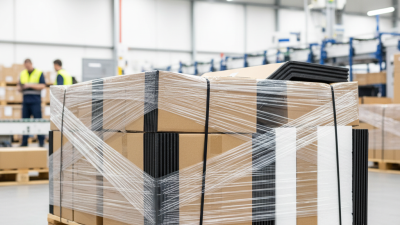
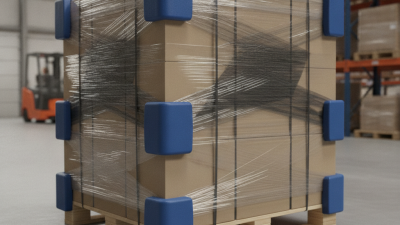
Pallet Protection Corners are essential for enhancing safety and efficiency in shipping. As we look ahead to 2026, understanding the latest trends in this industry is crucial for buyers. Emily Carter, an expert in logistics and supply chain management, states, “Investing in quality pallet protection corners can drastically reduce damage and ensure product integrity.”
The demand for innovative Pallet Protection Corners is rising. Improved designs and materials are shaping the market. Buyers must be aware of these shifts to make informed decisions. Each new trend offers unique advantages that can enhance operational efficiency. However, overlooking these advancements may lead to higher costs and increased product loss.
Choosing the right Pallet Protection Corners requires careful consideration. It is not always easy. Many products on the market claim to offer superior protection, but they may not deliver. Research and expert opinions can help navigate these complexities. Staying informed and proactive is key for buyers aiming to optimize their shipping processes.
Emerging Materials in Pallet Protection Corners for 2026
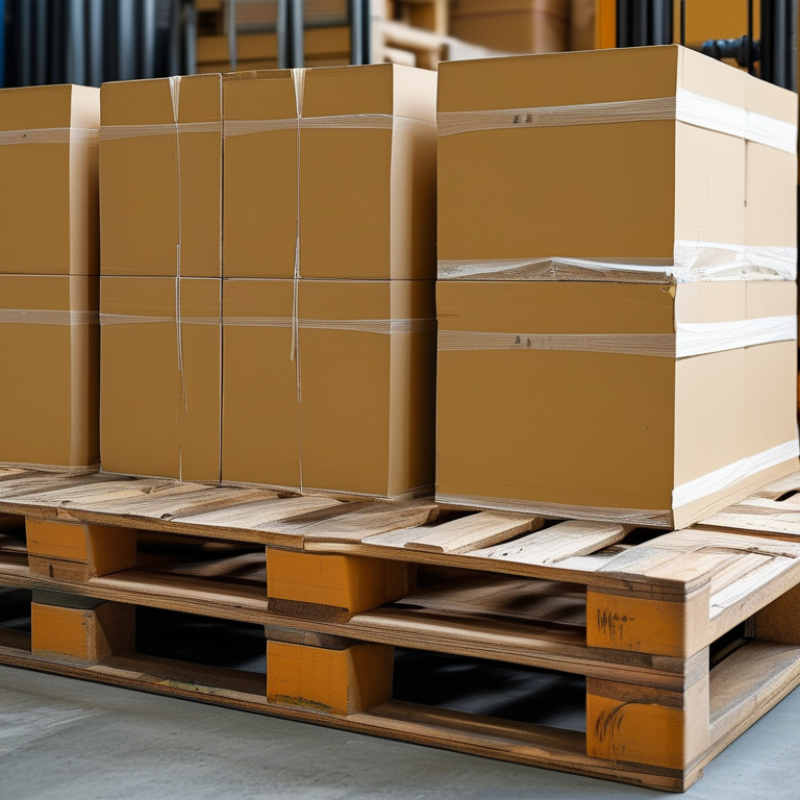
As we approach 2026, pallet protection corners are evolving rapidly with new materials emerging as top choices for buyers. Industry reports indicate that nearly 70% of supply chain professionals prioritize sustainability in packaging materials. This shift reflects a growing demand for eco-friendly solutions. Innovations in recycled plastics and biodegradable composites are paving the way for effective pallet protection. These materials not only enhance safety during transport but also reduce environmental impact.
When considering pallet protection, it's crucial to evaluate performance and durability. Studies show that sturdier corner protectors can reduce product damage by over 20%. Look for products that combine strength with lightweight properties. This can significantly cut down on shipping costs while maintaining safety standards.
Tip: Always request samples before making bulk purchases. This helps in assessing material quality directly. Another point to ponder—while more expensive materials may promise higher performance, reflection on long-term savings and damage reduction can provide a clearer cost-benefit perspective. Ensure your choices align with both operational needs and environmental goals, as the industry moves towards more thoughtful practices.
2026 Top Pallet Protection Corners Trends
Key Design Features of Advanced Pallet Protection Corners
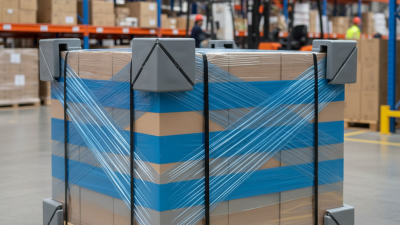
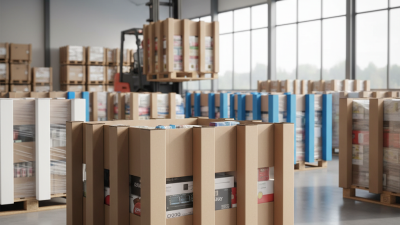
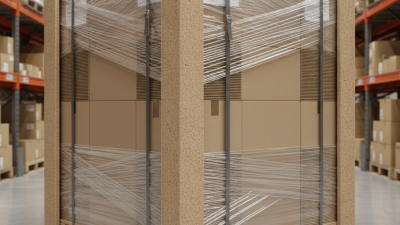
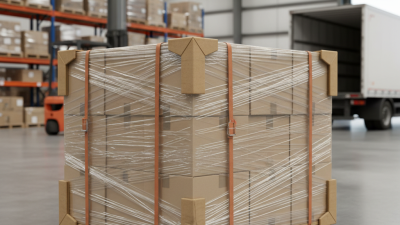
Pallet protection corners are increasingly recognized as essential components in supply chain management. As logistics optimization continues to evolve, the importance of effective corner protection has become clearer. Advanced designs now incorporate high-impact materials and innovative shapes. These advancements help prevent product damage during transit, a critical factor for maintaining brand integrity.
Research indicates that approximately 30% of shipping damage can be attributed to inadequate corner protection. This statistic highlights the need for improved protective solutions. Buyers should consider materials that resist wear and extreme conditions. Flexible and eco-friendly options are gaining traction. These choices not only enhance durability but also align with sustainability goals.
Tips: Always assess the load size and weight when selecting corner protection. Custom-fit corners are often more effective. Additionally, regular reviews of corner protection performance can uncover areas for improvement. Invest in training for staff to ensure proper installation. This step can significantly reduce damage risk and increase efficiency across operations.
Sustainability Trends Impacting Pallet Protection Solutions
As sustainability takes center stage in supply chain management, the demand for eco-friendly pallet protection solutions continues to rise. Recent studies indicate that nearly 70% of consumers prefer brands committed to sustainable practices. This trend drives manufacturers to innovate materials and processes.
Pallet protection has evolved beyond just functionality. Many companies are exploring biodegradable options and recyclable materials for pallet corners. According to a 2023 report by the Environmental Protection Agency, the use of recycled materials in pallet production can reduce waste by up to 30%. Additionally, utilizing sustainable materials contributes to a smaller carbon footprint and better compliance with regulatory standards.
Tips: Consider investing in suppliers focused on sustainability. Research their materials and processes for transparency. Stay informed about industry trends, as they can significantly impact your bottom line. Regular assessments of your pallet solutions can reveal potential improvements in sustainability efforts.
2026 Top Pallet Protection Corners Trends What Buyers Need to Know
| Trend |
Description |
Sustainability Impact |
Recommended Material |
| Eco-Friendly Materials |
Increased use of biodegradable and recyclable materials for pallet corners. |
Reduces landfill waste and promotes a circular economy. |
PLA (Polylactic Acid) and RPET (Recycled PET) |
| Modular Designs |
Adaptable corner designs that can be customized according to pallet sizes. |
Enhances efficiency and reduces material waste. |
Reinforced cardboard or composite materials |
| Digital Monitoring |
Integration of IoT for tracking pallet integrity and corner damage. |
Promotes proactive maintenance and longevity of pallets. |
Standard materials combined with smart sensors |
| Strengthening Techniques |
Innovative design to enhance the load-bearing capacity of corners. |
Minimizes damage during transportation and reduces replacement rates. |
Fiberglass reinforced plastics |
| Multi-Purpose Corners |
Corners designed to serve multiple functions, such as stacking and stabilizing. |
Improves logistics efficiency and reduces the need for additional packaging. |
Innovative composites with dual functionalities |
Market Preferences: Buyer Insights on Pallet Protection Corners
As the market for pallet protection corners evolves, buyers must stay informed about the latest trends. Insights indicate a growing preference for materials that enhance durability while reducing costs. Sustainability also plays a key role in buyer decisions. Consumers are increasingly looking for eco-friendly options that maintain performance without compromising the environment.
Protection corners are essential in minimizing damage during transportation. Yet, many buyers report challenges in finding reliable suppliers. Some corners may not meet the expected quality standards. This mismatch can lead to increased costs due to damages or replacements. Buyers should prioritize suppliers with proven track records and transparent product specifications.
Additionally, customization is becoming a trend. Specific needs vary widely among industries. Some buyers require unique sizes or designs to fit their pallets. Innovative solutions can offer tailored options, but finding them may require extensive research. Buyers need to ensure they collaborate with knowledgeable providers who understand their requirements. Engaging with these experts can help in making informed purchasing decisions.
Technological Innovations Shaping the Future of Pallet Protection
The future of pallet protection is being shaped by several key technological innovations. These advancements enhance the durability and safety of pallets. One notable trend is the use of smart sensors. These sensors monitor load distribution and detect potential damages. They provide real-time data, which can prevent costly accidents during transportation.
Another area of innovation focuses on materials. Traditional wooden pallets are being replaced by composites that offer greater strength and resistance to environmental factors. These new materials are more lightweight, yet sturdy. They can reduce shipping costs and improve efficiency. However, the transition to these new materials requires careful consideration and testing. Not all options perform adequately in different scenarios, highlighting the need for ongoing evaluation.
Automation also plays a crucial role in pallet protection. Robotic systems are increasingly used for handling and stacking pallets. Their precision reduces the risk of human error and damage. Yet, integrating automation presents challenges. Proper training and adjustments to workflows are necessary. Companies must weigh the benefits against the potential disruption caused by these changes.