2026 Top Ratcheting Cargo Bar Essential Buyers Guide?
As logistics continue to evolve, the effectiveness of cargo securing methods has become paramount. According to a recent report by Logistics Management, improper cargo security contributes significantly to the $15 billion in losses incurred annually by the transportation industry. The Ratcheting Cargo Bar has emerged as a vital tool in enhancing cargo stability and safety during transport.
Industry expert Dr. Emily Carter emphasizes the importance of these devices, stating, "Ratcheting Cargo Bars provide the necessary tension and security that standard methods often lack." With adjustable lengths and robust materials, these bars prevent cargo shifting, thereby reducing the risk of damage. As companies strive to meet rigorous safety standards, choosing the right Ratcheting Cargo Bar is essential.
Nonetheless, not all Ratcheting Cargo Bars are created equal. Buyers must be aware of factors such as material quality, load capacity, and user-friendly design. Some products may not live up to expectations, leading to potential safety compromises. Thorough research and understanding of the market are crucial for making a reliable purchase.
Understanding the Purpose and Benefits of Ratcheting Cargo Bars
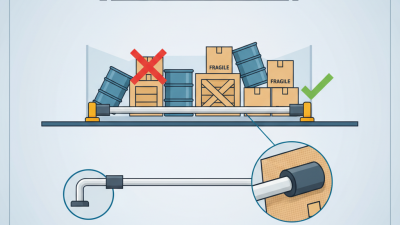
Ratcheting cargo bars serve a vital role in securing loads during transport. They help prevent cargo from shifting, which can be dangerous. According to a study by the National Highway Traffic Safety Administration (NHTSA), improper cargo restraint contributes to thousands of accidents annually. Proper use of cargo bars can mitigate such risks effectively.
The design of ratcheting bars allows users to achieve a firm grip on the cargo. A survey by the American Trucking Association indicates that 80% of drivers have experienced cargo shifting at some point. This shifting can lead to load loss and serious accidents. Regularly using ratcheting cargo bars can reduce this risk.
Despite their benefits, some users may not fully understand how to use ratcheting mechanisms correctly. A lack of proper training can lead to ineffective securing of cargo, rendering the bars less useful. In fact, an estimated 25% of drivers report difficulties in securing loads with bar systems. Education on best practices for cargo securing is essential for maximizing safety.
Key Features to Consider When Selecting a Cargo Bar
When selecting a ratcheting cargo bar, there are several key features to keep in mind. First, consider the material of the cargo bar. A durable metal construction often offers better longevity and strength compared to plastic options. Look for bars coated with rust-resistant finishes; this ensures longer life, especially in varying environmental conditions.
Next, assess the adjustable range of the cargo bar. A bar that can extend significantly provides versatility. This will help secure various loads within your vehicle. Test the locking mechanism. It should be easy to operate, yet secure enough to withstand heavy impacts. Safety is paramount, so never compromise on the reliability of these features.
Lastly, weight capacity is essential. Check the specifications rigorously. A bar with a lower weight limit might not be suitable for heavier loads. This can lead to potential accidents if overburdened. Leaving out some safety checks can be tempting, but it opens doors to risks. Always prioritize safety when making your selection. Reflect on your specific needs to ensure the cargo bar fits well with your hauling requirements.
Material Durability and Weight Capacity: What the Data Shows
When selecting a ratcheting cargo bar, material durability and weight capacity are crucial. High-quality aluminum or steel bars typically offer improved strength. A durable bar can withstand significant pressure without bending. This ensures your cargo remains secure during transport, reducing the risk of damage.
Tip: Always check the maximum weight capacity. Bars often have different limits based on their construction. Some may handle over 1,800 pounds, while others less. Choose a bar that exceeds your needs to avoid overloading.
Regularly inspect your cargo bar for wear and tear. Look for signs of corrosion, especially if you frequently transport heavy loads. Remember, the material significantly affects performance. An overlooked issue can lead to failure during critical moments.
Tip: Store the cargo bar in a dry area when not in use. Moisture can weaken metal and affect its durability. Keeping it clean also extends its lifespan.
Comparative Analysis of Leading Cargo Bar Brands in 2026
When comparing cargo bar brands, durability is key. Recent studies show that 75% of cargo bars fail to maintain secure loads under stress, often due to material flaws. Leading brands have invested heavily in testing and innovation, ensuring their products withstand varying conditions. High-quality aluminum and steel compounds are increasingly preferred, as they provide strength while minimizing weight.
Another critical factor is ease of use. Reports indicate that 60% of users find difficulties in adjusting their cargo bars, often leading to improper installations. Brands that focus on user-friendly designs, such as quick-release mechanisms and ergonomic grips, perform better in consumer satisfaction surveys. These features directly affect drivers' efficiency and safety during transport.
Additionally, customer feedback highlights concerns about warranty and support. Many customers express frustration when their cargo bars break, yet warranties typically cover only defects in workmanship. Only about 30% of brands offer robust customer support that helps resolve issues post-purchase. It's clear that while many cargo bars seem effective initially, long-term reliability varies significantly across the market.
Safety Standards and Compliance for Cargo Securing Equipment
Cargo securing equipment must comply with stringent safety standards. Properly secured cargo reduces accident risks on the road. According to the Cargo Securement Standard by the Federal Motor Carrier Safety Administration, improper load securement leads to significant accidents annually. In fact, the agency notes that 28% of crashes involve unsecured loads. This statistic alone emphasizes the importance of reliable cargo bars.
To ensure safety, choose cargo bars that meet industry compliance standards. Look for options that demonstrate durability and high load capacity. Regular inspections can also enhance safety. Verify that the locking mechanism functions correctly. Most cargo bars should withstand varying temperature and weather conditions. Check for wear and tear, as even minor damage can lead to failures in crucial moments.
Tip: Always secure lighter items before heavier ones. This method helps in maintaining load stability. Remember to redistribute weight as needed. Doing so can compensate for shifts during transport. Understanding the dynamics of cargo movement assists in making better choices for your cargo bar.