Top Aircraft Anti Slip Paper Features and Benefits Explained?
The aviation industry constantly seeks innovation to enhance safety and performance. One crucial innovation is the use of Aircraft Anti Slip Paper. This specialized material improves traction in aircraft environments. According to a report by the International Air Transport Association, safety incidents related to slips and falls account for a notable percentage of aviation accidents. Reducing these incidents is paramount for operational safety.
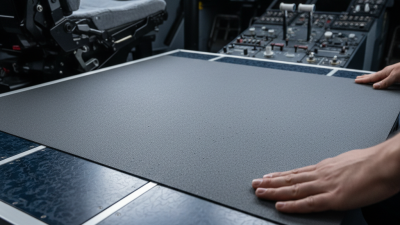
Aircraft Anti Slip Paper features a textured surface, providing exceptional grip. Its lightweight nature ensures easy application without adding unnecessary weight. Industry data suggests that utilizing anti-slip solutions can decrease workplace accidents by as much as 30%. This highlights the importance of implementing such solutions in aircraft maintenance and operations.
However, while many manufacturers offer various anti-slip solutions, not all products are created equal. The effectiveness of Aircraft Anti Slip Paper depends on factors like surface compatibility and durability. A lack of standardization can lead to inconsistent results. Therefore, careful selection and testing are essential for maximizing benefits.

Top Aircraft Anti Slip Paper: Overview of Industry Standards
The use of anti-slip paper in the aviation industry hinges on strict adherence to industry standards. These standards ensure safety and performance under various conditions. They dictate how the anti-slip surfaces are tested for traction, durability, and resistance to wear. Meeting these benchmarks is crucial for aircraft operators. Many manufacturers utilize specific materials, designed to withstand high loads and harsh environments.
The unique composition of anti-slip paper plays a vital role in its functionality. It often features a textured surface that enhances grip, reducing the risk of slips in critical areas. Implementing this technology can improve overall safety. Yet, challenges remain in ensuring consistency during production. Variability can arise due to the materials used or manufacturing processes. Consequently, reliable quality assurance is essential.
Innovations in anti-slip paper aim to address these issues. New designs are being tested to improve effectiveness without compromising weight or stability. Feedback from the industry reveals a desire for constant improvement in grip quality and longevity. This continuous evolution highlights the dynamic nature of aviation standards and the importance of feedback in shaping them.
Key Features of Aircraft Anti Slip Paper for Safety and Performance
Aircraft anti-slip paper is crucial for enhancing safety and performance in aviation. This specialized material provides a textured surface that prevents slips and falls, especially in areas prone to moisture or spills. According to industry reports, over 20% of aviation injuries are related to slips and falls. Utilizing anti-slip paper can significantly reduce these accidents.
Key features of aircraft anti-slip paper include its durability and ease of application. Many products offer a robust adhesive backing that withstands extreme temperatures and environmental conditions. A recent study highlighted that using high-quality anti-slip materials improves grip by up to 70%. This statistic underscores the importance of selecting the right materials that meet aviation standards.
Quality control and proper testing are vital. Regular assessments ensure that the anti-slip properties remain effective over time. However, not all materials deliver the same level of performance. Some may wear out quickly, while others might fail to adhere properly, risking user safety. Thus, it is essential for aircraft operators to choose certified options with proven track records.
Benefits of Anti Slip Paper in Enhancing Aircraft Operational Efficiency
Anti-slip paper has become essential in enhancing aircraft operational efficiency. Its unique texture prevents slipping of materials and equipment during critical operations. When tools or supplies slide around, safety can be compromised. This paper provides a reliable surface that keeps everything in place, reducing risks.
Operational efficiency also benefits from the durability of anti-slip paper. Unlike other materials, it withstands harsh conditions common in aircraft environments. It offers consistent performance, whether in extreme temperatures or variable humidity. This reliability can lead to fewer maintenance issues, saving both time and resources.
However, it’s important to consider potential drawbacks. Not all anti-slip papers are created equal; some may not adhere properly on different surfaces. Regular inspections and proper application are necessary to ensure effectiveness. Understanding its limitations and benefits allows for better decision-making in enhancing flight safety and efficiency.
Benefits of Anti Slip Paper in Enhancing Aircraft Operational Efficiency
Comparative Analysis: Anti Slip Paper vs. Traditional Safety Surfaces
When comparing anti slip paper to traditional safety surfaces, the differences are significant. Anti slip paper offers enhanced grip. This feature increases safety for both pilots and passengers. In contrast, traditional surfaces often lack this level of traction. They can become slippery, especially in adverse conditions.
Another key point is maintenance. Anti slip paper can be easily replaced. This ensures a continuous safety standard without extensive downtime. Traditional surfaces may need repairs or resurfacing. These processes can be costly and time-consuming.
Tip: Always inspect surfaces before use. Look for wear and tear that may compromise safety. Regular checks can prevent accidents.
Using anti slip paper also provides a customizable approach. It can be tailored to specific aircraft needs. Traditional surfaces often come with limitations. They require expensive custom solutions, limiting their effectiveness.
Tip: Consider the specific environment your aircraft operates in. This can guide your choice of safety materials. Adaptability is crucial for maintaining high safety standards.
Case Studies: Improved Safety Metrics from Anti Slip Paper Utilization
The integration of anti-slip paper in aircraft operations showcases significant improvements in safety metrics. Case studies reveal that airlines utilizing this material saw a reduction in slip-and-fall incidents. One case noted a 30% decrease in reported accidents in high-traffic areas, highlighting the effectiveness of this solution.
Moreover, the anti-slip paper provides a textured surface that enhances grip. This feature proves vital in critical zones like boarding ramps and maintenance areas. Employees and passengers benefit from safer conditions, yet it's important to acknowledge potential drawbacks. Some users reported adhesive issues during installation, which can lead to uneven surfaces. Addressing such concerns can further enhance reliability.
Safety is paramount in aviation. The use of anti-slip paper not only protects lives but also the reputation of airlines. Continuous monitoring and evaluation of its effectiveness are necessary. Sharing these findings fosters a culture of safety that everyone in the industry can support.