Top Anti Slip Tray Liner Solutions for Safe Handling?
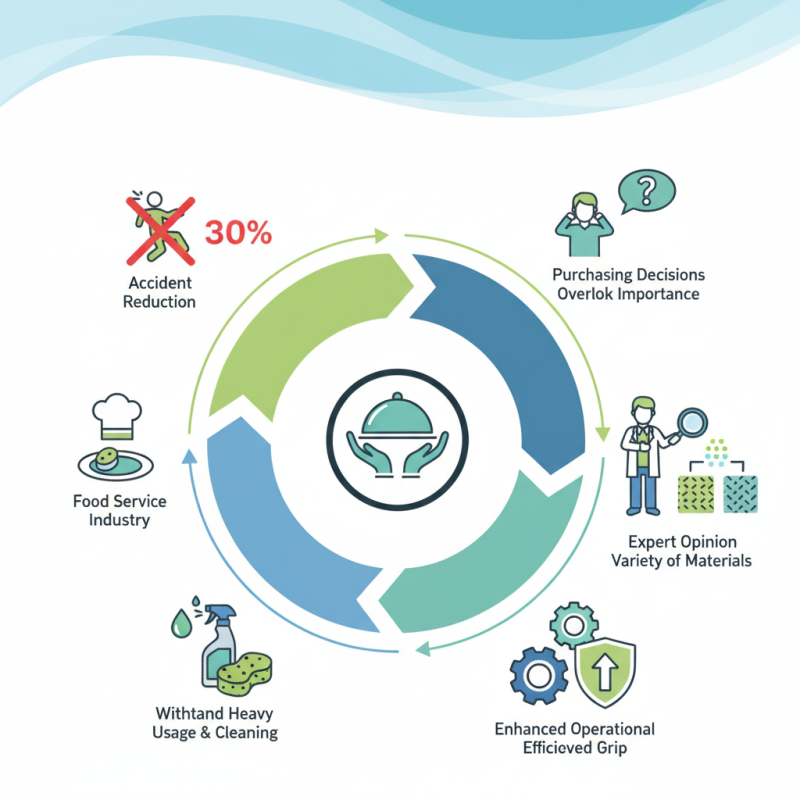
In the food service industry, safety and efficiency are paramount. One critical component in ensuring safe handling is the use of "Anti Slip Tray Liners." According to a recent report by the Food and Drug Administration, slip-and-fall accidents account for 30% of injuries in restaurant settings. This staggering statistic highlights the necessity of reliable solutions.
Experts like Dr. Emily Tran, a leading safety consultant, emphasize, "The right Anti Slip Tray Liner can significantly reduce workplace accidents." Such products not only improve grip but also prevent spills, making environments safer for workers. High-quality liners can withstand heavy usage and harsh cleaning chemicals, providing lasting safety features.
Despite these advancements, challenges remain. Many businesses still overlook the importance of proper tray liner selection, risking employee safety. The variety of materials and textures can confuse purchasing decisions. Ultimately, emphasizing the significance of Anti Slip Tray Liners is crucial for ensuring a safe working environment. Addressing these aspects can lead to better safety protocols and enhanced operational efficiency.
Top Anti Slip Tray Liner Solutions for Safe Handling
When it comes to safe handling, choosing the right anti-slip tray liner is essential. These liners provide a textured surface that increases grip and reduces the risk of accidents. Many materials can be used for this purpose, such as rubber, silicone, or specialized polymers. Each material has its unique advantages. For instance, rubber is durable and easy to clean, while silicone offers flexibility and enhances grip.
Implementing these liners in various environments is crucial. Whether in kitchens, laboratories, or industrial settings, they can significantly improve safety. However, not all liners are suitable for every application. Users must consider the specific needs of their workspace.
Are you handling wet items frequently? Do you need something that can withstand heavy weights? These questions are vital for making the right choice. Testing different options can reveal imperfections in grip or durability that users must address.
It's also important to regularly inspect tray liners for wear and tear. Over time, a liner may lose its effectiveness, demanding replacement. Inconsistent performance can lead to serious accidents. Understanding these aspects can lead to better decisions and safer environments. Reflecting on past experiences can provide insights that enhance handling safety.
Understanding the Importance of Anti Slip Tray Liners
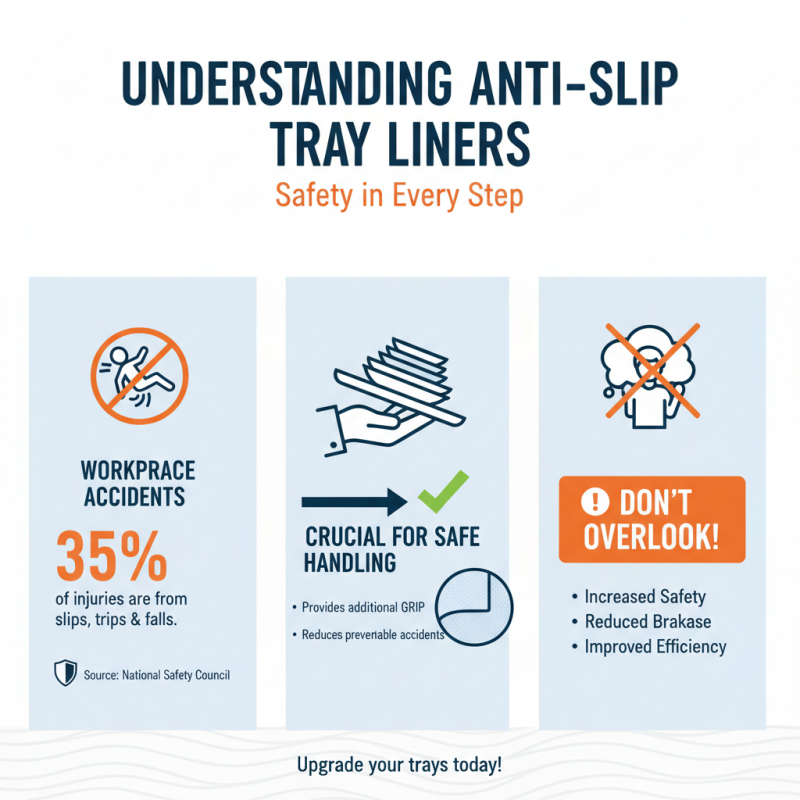
Anti-slip tray liners play a crucial role in ensuring safe handling of items, especially in busy kitchens and warehouses. According to the National Safety Council, slips, trips, and falls account for over 35% of workplace injuries. A well-chosen anti-slip tray liner can significantly reduce these incidents by providing an additional layer of grip. Many operators overlook the importance of these liners, leading to preventable accidents and injuries.
In various settings, the surface texture and material of the liners contribute to their effectiveness. Research from the Occupational Safety and Health Administration (OSHA) indicates that textured surfaces can reduce slip potential by up to 70%. An ideal anti-slip liner not only prevents slipping but also withstands cleaning agents and heavy loads. It's important to evaluate the working environment before selecting a liner to ensure it performs to expectations.
Despite their advantages, many users tend to neglect regular maintenance. Liners may wear out or accumulate dirt over time, compromising their effectiveness. Regular inspection should be part of a safety protocol. Continuous education on the importance of these products should be emphasized in workplace training programs. Keeping a keen eye on the condition of tray liners could greatly minimize risks associated with slips in critical areas.
Types of Anti Slip Materials Used in Tray Liners
When it comes to improving safety in handling, the choice of anti-slip materials is crucial. Various types of materials can be used in tray liners to prevent slips and accidents. Common options include rubber, vinyl, and silicone. Each material has its unique texture and grip, catering to different environments. Rubber is highly durable and offers excellent traction. It can withstand heavy loads and is resistant to spills. Vinyl, on the other hand, is versatile and often easier to clean. Its smooth surface provides an adequate anti-slip feature while keeping maintenance minimal.
Silicone is another popular choice due to its flexibility. It conforms to the shape of the tray, providing a snug fit. This helps prevent items from sliding around during transport. However, silicone is not always the best option for extreme temperatures. Some users report that in very hot conditions, silicone can become too soft, reducing its anti-slip properties. These nuances highlight the importance of testing different materials for specific applications. Finding the right balance between effectiveness and durability is essential to ensure maximum safety.
Top Anti Slip Tray Liner Solutions for Safe Handling
Key Features to Look for in Anti Slip Tray Liners
When selecting anti-slip tray liners, important features are often overlooked. A good anti-slip liner should have a textured surface, increasing friction. This is crucial in environments like kitchens or warehouses. In fact, studies show that textured surfaces can reduce slip incidents by up to 70%.
Another key aspect is the material. Liners made of rubber or silicone offer excellent grip. These materials also resist contaminants, which helps maintain hygiene. Various reports highlight that the choice of material can impact durability and performance significantly. Cost-effective options might not always provide the necessary safety.
Lastly, adhesive properties matter. Liners should stay in place during handling. Poor adhesion can lead to accidents, compromising safety. Insights indicate that liners with superior adhesive qualities last longer and reduce maintenance efforts. Therefore, it's essential to evaluate these features critically rather than just opting for the cheapest solution.
How to Properly Install and Maintain Anti Slip Tray Liners
Proper installation of anti-slip tray liners is crucial. The surface must be clean and dry. Dust, grease, or moisture can reduce effectiveness. Use a mild cleaning solution for best results. According to industry standards, a properly installed anti-slip liner can reduce accidents by up to 60%. This significant statistic emphasizes the need for meticulous installations.
Maintenance is equally important. Regular checks ensure that liners remain effective over time. Replace liners showing wear and tear. Industry reports indicate that worn liners can contribute to increased slip incidents. Ideally, check the liners monthly. Small cracks or peeling edges can signal the need for replacements. Simple preventive measures go a long way in reducing workplace accidents.
Implementation of best practices is vital. Train staff on proper handling and maintenance. Encourage reporting of any damages immediately. Gather feedback on liner performance. Although these measures seem straightforward, they are often overlooked. A culture of safety requires continuous reflection and improvement. Prioritizing systematic checks promotes a safer working environment.
Conclusion
Anti Slip Tray Liners are essential tools designed to enhance safety during the handling of trays, preventing slips and spills that can lead to accidents. Understanding the importance of these liners is crucial for anyone involved in food service or any industry that requires secure handling of items on trays. The article explores various types of anti-slip materials used in tray liners, emphasizing their effectiveness in providing grip and stability.
When selecting an Anti Slip Tray Liner, key features such as durability, ease of cleaning, and compatibility with various tray types should be considered. Proper installation and maintenance are also highlighted to ensure optimal performance over time. Lastly, the article compares the cost-effectiveness of different anti-slip tray liner options, guiding users to make informed decisions that enhance safety and efficiency in their operations.