Top Cardboard Edging Applications Benefits and Innovations?
The world of Cardboard Edging is rapidly evolving, showcasing an array of applications and benefits. According to a recent report from Smithers Pira, the global cardboard packaging market is projected to reach over $400 billion by 2027. This growth reflects the increasing demand for sustainable packaging solutions, where Cardboard Edging plays a crucial role. Experts highlight that cardboard edging not only enhances protection but also reduces material waste.
Industry expert Dr. Jane Thompson states, "Cardboard Edging is not just about protection; it's about rethinking how we package our products." The innovations in this sector include developments in eco-friendly materials, optimized design for strength, and even customizable options. Cardboard Edging provides a blend of durability and sustainability, catering to both consumer needs and environmental goals.
Despite its benefits, the sector faces challenges. There are concerns regarding the consistency of quality and the need for proper recycling methods. As we explore the applications of Cardboard Edging, it’s essential to critically assess how these advancements meet industry standards while reflecting on areas for improvement. Continuous innovation and attention to waste reduction will push this industry forward.
Benefits of Cardboard Edging in Packaging and Protection
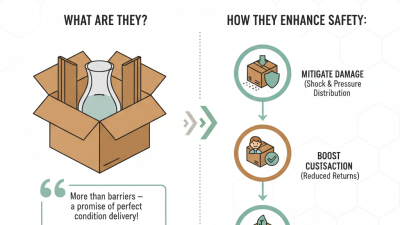
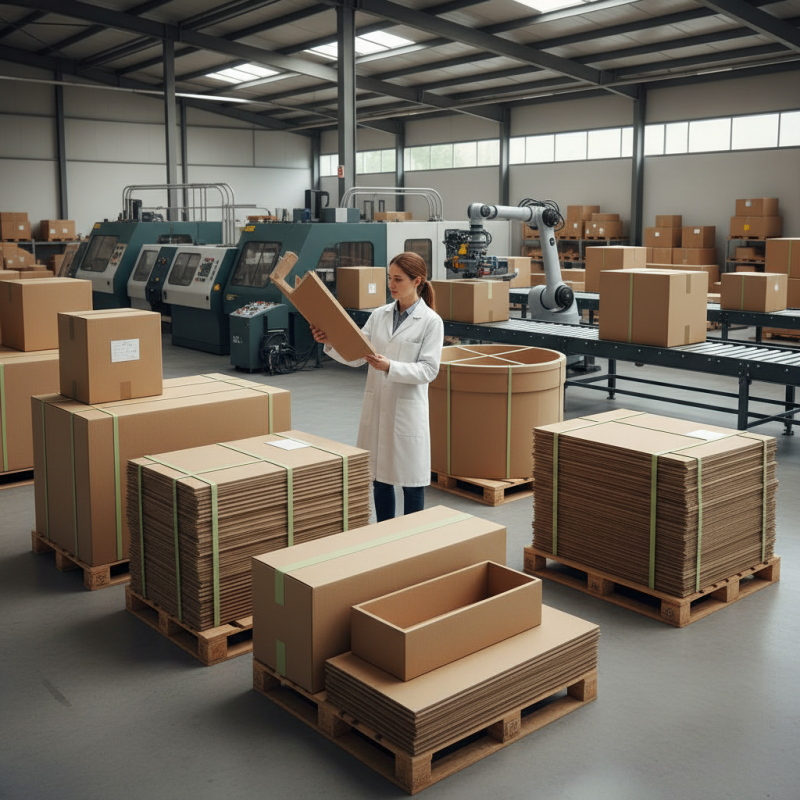
Cardboard edging has emerged as a vital component in the packaging industry. Its primary role is to provide essential protection for products during transit. According to industry reports, nearly 35% of damage in shipping occurs due to inadequate packaging. Cardboard edging mitigates this risk, creating a buffer that absorbs impacts and prevents scratching.
Moreover, the eco-friendliness of cardboard edging is noteworthy. As environmental considerations grow, 70% of consumers prefer packaging that is recyclable. Cardboard edging offers a sustainable option, as it can be easily recycled or repurposed, aligning with modern consumer preferences. Yet, companies must remain vigilant. Many consumers are still unaware of the recyclability of certain materials. Education is key.
Innovations in cardboard edging come from continuous research. New designs and materials enhance durability and reduce waste. However, some applications still use outdated methods, resulting in inefficiencies. Businesses need to reconsider their packaging strategies regularly. The balance between protection and sustainability is delicate. Evaluating this can lead to better decisions and improved consumer satisfaction.
Top Cardboard Edging Applications Benefits and Innovations
| Application |
Benefit |
Innovation |
Sustainability |
| Furniture Protection |
Prevents damage during transit |
Custom shaping for unique products |
Made from recycled materials |
| Heavy Equipment Shipping |
Stabilizes heavy loads |
Integrated cushioning design |
Biodegradable options available |
| Electronics Packaging |
Reduces shock and vibration |
Modular designs for adaptability |
Easily recyclable |
| Construction Materials |
Safeguards materials from moisture |
Water-resistant treatments |
Utilizes recycled pulp |
| Art and Fragile Items |
Prevents breakage and damage |
Innovative corner protection |
100% recyclable |
Innovative Uses of Cardboard Edging in Various Industries
Cardboard edging is gaining traction across various sectors for its innovative applications. Industries are discovering that this material offers durability and effectiveness. A recent report noted that the demand for eco-friendly packaging solutions has risen by 30% in the past year. This is a clear indicator of shifting priorities toward sustainability.
In the furniture industry, cardboard edging is being used to enhance product protection during shipment. It serves as a lightweight yet sturdy buffer. This has reduced damage rates by up to 25%, which is significant for businesses. However, some companies still cling to traditional materials like plastic, raising questions about long-term sustainability practices.
In retail, cardboard edging provides visual appeal and protection for displays. Retailers find that it improves shelf life and keeps products safe. Yet, there are concerns about its recyclability in certain markets. Different waste management systems pose challenges that need addressing. Overall, while the use of cardboard edging shows great promise, the industry must confront these hurdles to fully realize its potential benefits.
Environmental Impact of Cardboard Edging Solutions
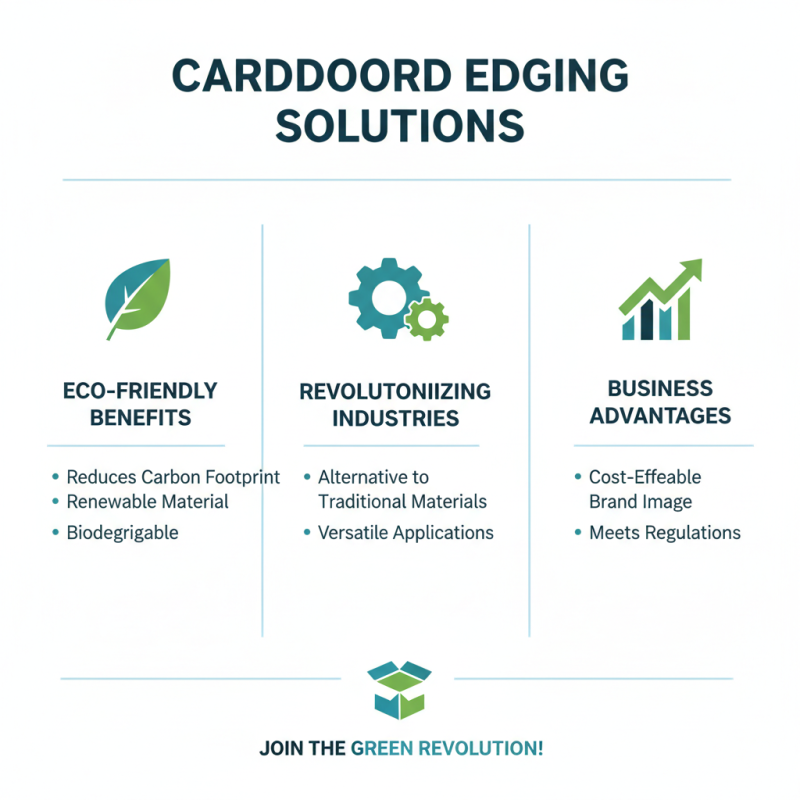
Cardboard edging solutions are revolutionizing industries with their eco-friendly benefits. They offer an alternative to traditional materials. By using cardboard, companies are reducing their carbon footprint significantly. Cardboard is renewable and biodegradable. This makes it a compelling choice for environmentally-conscious businesses.
However, it's important to reflect on some pitfalls. Cardboard, while versatile, may not provide the same level of strength as plastic or metal. This can limit its use in heavy-duty applications. Some manufacturers still overlook the importance of sourcing cardboard from sustainable sources. Ensuring a consistent supply chain is crucial for genuine environmental impact.
Moreover, the production process of cardboard edging can have its own environmental concerns. Water usage and energy consumption during production must be monitored. Companies should invest in innovations that minimize these impacts. Adopting practices like recycling and sustainable forestry can enhance the ecological benefits of using cardboard. These steps are necessary for a truly sustainable approach.
Comparative Analysis: Cardboard Edging vs. Traditional Materials
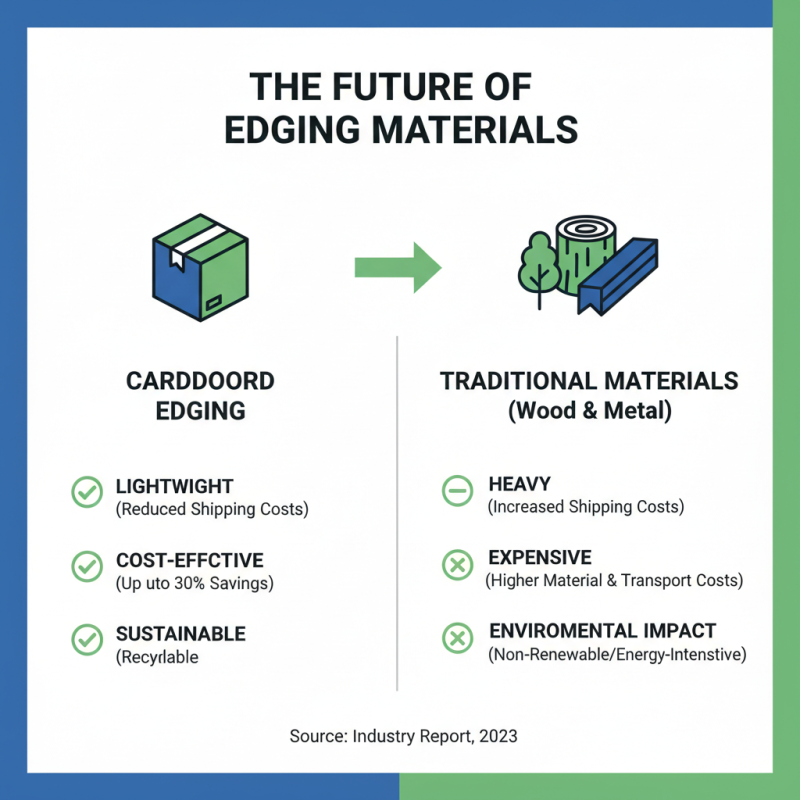
Cardboard edging is gaining traction in various sectors. A comparative analysis shows it has advantages over traditional materials such as wood and metal. For instance, cardboard edging is lighter, reducing shipping costs. A recent report states that using cardboard over wood can save companies up to 30% in transportation expenses.
Moreover, cardboard edging is eco-friendly. It is made from recycled materials, appealing to sustainability-conscious consumers. According to a study, about 70% of customers prefer brands that prioritize sustainability. However, some still question its durability compared to more established materials. Cardboard may not withstand moisture as well as metal or treated wood.
While cardboard edging is suitable for packaging and furniture, it falters in heavy-duty applications. The performance gap raises questions about its reliability in all scenarios. Companies must consider the trade-off between cost savings and structural integrity. Ultimately, the balance between innovation and practicality is still a point for discussion.
Future Trends in Cardboard Edging Technology and Design
The future of cardboard edging technology is promising. Recent reports indicate a projected annual growth rate of 5.6% in the cardboard packaging sector by 2027. This growth is fueled by increased demand for sustainable packaging solutions. Cardboard edging offers effective protection for products during transport. This innovation reduces waste and enhances product integrity.
Biodegradable and recycled materials are becoming prevalent in edging design. Many manufacturers are exploring efficient production methods. Improved accuracy in cutting and shaping technologies ensures a precise fit. However, there are challenges. Not all companies have adapted to these advancements. Some still use outdated techniques, hindering sustainability efforts.
Consumer preferences shifting towards greener options are significant. Data shows that 75% of consumers favor eco-friendly packaging. This shift pushes manufacturers to rethink their materials and processes. Incorporating renewable sources is vital. Yet, balancing cost with innovation remains a critical obstacle. Addressing these issues is essential for future growth and sustainability in the cardboard edging market.
Top Cardboard Edging Applications Benefits and Innovations
This bar chart displays the key benefits of cardboard edging applications, highlighting cost reduction, sustainability, durability, versatility, and customization as significant factors driving innovations in the industry.