What are the Benefits of Hdpe Geomembrane for Global Buyers?
Hdpe Geomembrane has become a cornerstone material in the construction and environmental management industries. Its use is rapidly expanding, with market reports indicating a compound annual growth rate (CAGR) of 12.5% over the next five years. This remarkable growth is attributed to its superior impermeability and durability, making it essential for applications like landfill liners and aquaculture.
The worldwide demand for Hdpe Geomembrane is driven by increasing environmental regulations. According to a recent study by Frost & Sullivan, over 30% of global buyers report significant cost savings from using HDPE in their projects. The material's longevity and resistance to chemicals also contribute to this trend, presenting an attractive option for buyers looking to improve efficiency and sustainability. However, inconsistent quality and variations in manufacturing practices can sometimes lead to unforeseen complications.
Understanding the benefits and challenges of Hdpe Geomembrane is crucial for global buyers. Emphasizing quality assurance and reliable suppliers can mitigate potential risks and maximize the advantages of this vital material. As the industry evolves, staying informed about best practices will ensure meaningful and sustainable benefits from Hdpe Geomembrane use.
Benefits of HDPE Geomembrane for Global Buyers
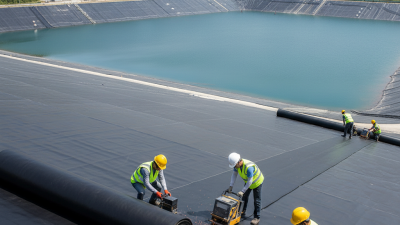
HDPE geomembranes offer numerous benefits for global buyers. Their high-density polyethylene construction makes them robust and durable. They can withstand harsh environmental conditions, such as extreme temperatures and UV exposure. This resilience leads to fewer repairs and lower maintenance costs over time.
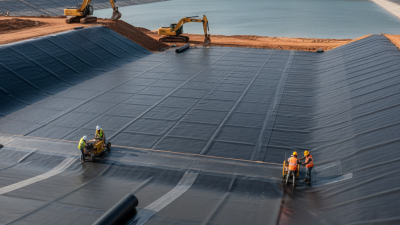
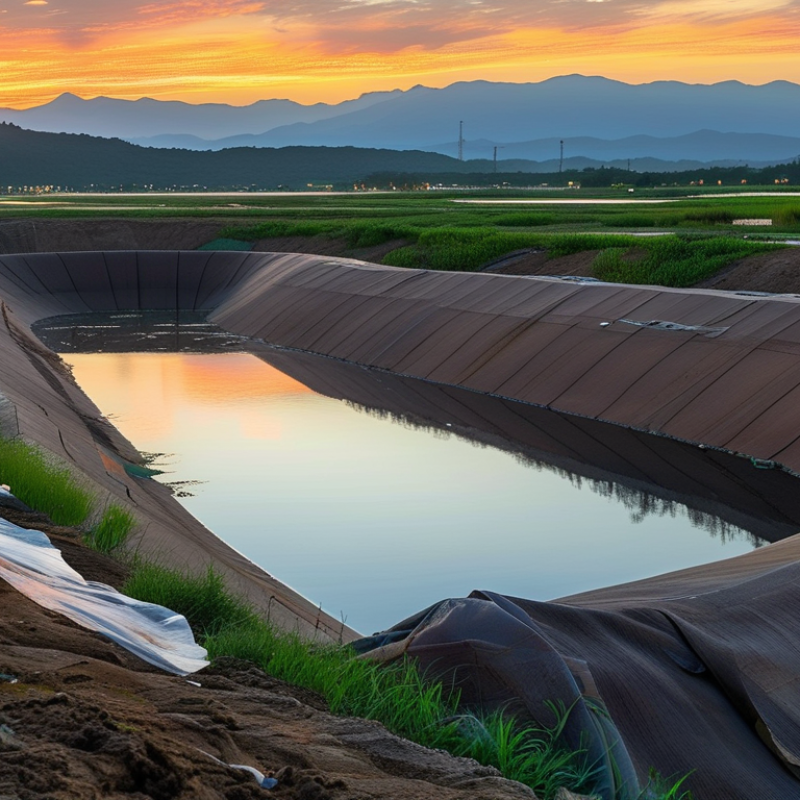
One key advantage is their versatility. HDPE geomembranes can be used in various applications—landfills, ponds, and reservoirs to name a few. They are flexible, allowing for easier installation in diverse settings. This adaptability means fewer resources wasted. Buyers can appreciate this practicality when planning large projects.
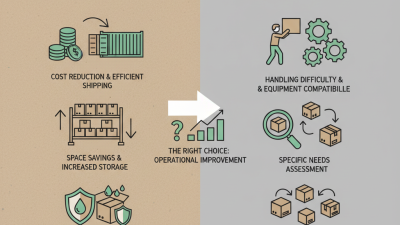
However, some challenges exist. The initial cost of HDPE geomembranes can be higher than alternatives. Proper installation is crucial. Any mistakes can lead to significant long-term issues. Companies must be diligent in their processes to avoid future complications. Despite these considerations, the long-term benefits often outweigh the initial hurdles. Buyers should weigh these factors carefully.
Durability and Longevity of HDPE Geomembranes
HDPE geomembranes are notable for their exceptional durability and longevity. These synthetic liners are designed to withstand challenging conditions, making them suitable for a variety of applications. Their resistance to chemicals, UV rays, and extreme temperatures sets them apart from other materials. This durability translates to fewer replacements and repairs over time, thus reducing costs for global buyers.
In addition to their strength, HDPE geomembranes offer impressive longevity. They can last for decades if properly installed and maintained. The lifespan can be influenced by factors such as installation practices and environmental conditions. Even small breaches or installation errors can impact their longevity. It's vital for buyers to consider these aspects during project planning.
When comparing materials, it’s important to acknowledge that HDPE geomembranes are not without their limitations. They can be sensitive to punctures and abrasive materials. While they provide excellent waterproofing, improper handling may lead to unexpected failures. Buyers should weigh these considerations carefully to ensure they choose the best option for their specific needs.
Environmental Protection and Waste Management Solutions
HDPE geomembranes play a crucial role in environmental protection and waste management. These liners are widely used in landfills to prevent leachate pollution. According to the EPA, improperly managed landfills can contaminate groundwater, affecting up to 44% of drinking water sources in the U.S. HDPE geomembranes provide a robust barrier, offering a permeability rate as low as 1 x 10⁻⁹ cm/sec. This means less risk of leaks and better protection for our groundwater resources.
Tips: Always assess the thickness of the geomembrane. A thickness of 60 mil or more is recommended for maximum durability. Proper installation can also enhance performance and longevity.
In addition to protecting water resources, HDPE geomembranes assist in controlling methane emissions from landfills. The European Environment Agency reports that landfills contribute to 20% of methane emissions. By using these liners, waste managers can significantly reduce the risk of harmful gas release. This not only benefits air quality but also aids in meeting international climate goals.
Tips: Consider regular inspections and maintenance of geomembranes. Small damages can lead to larger problems if unchecked. Effective monitoring is critical for ensuring long-term environmental safety.
Cost-Effectiveness and Economic Advantages
HDPE geomembranes are increasingly recognized for their cost-effectiveness in various applications. These membranes offer excellent durability, which can save buyers money in maintenance and replacement costs over time. Their resistance to chemicals and UV radiation means they can withstand harsh environments without deteriorating quickly. This longevity presents an economic advantage for industries using them for containment, such as landfills and wastewater treatment facilities.
In addition, the installation process of HDPE geomembranes is straightforward and can be completed efficiently. This simplicity helps reduce labor costs, contributing to overall project savings. Moreover, these geomembranes provide impressive barrier properties, which enhance safety and compliance with environmental regulations. Reliable products like these help avoid costly environmental fines and closures due to leaks or failures.
Despite these benefits, it is essential for buyers to consider the initial investment. While HDPE geomembranes can be more expensive upfront than other materials, their long-term savings can outweigh this initial cost. Conducting a thorough cost-benefit analysis would be wise. Each project has unique circumstances that must be reflected in such calculations. This reflective approach can ensure that the chosen solution aligns with specific project needs and budget constraints.
Applications Across Various Industries with HDPE Geomembranes
HDPE geomembranes are increasingly favored across various industries due to their durability and efficiency. These materials find application in environmental protection, mining, and civil engineering projects. According to a report from MarketsandMarkets, the global geomembrane market is projected to reach USD 3.53 billion by 2025, growing at a CAGR of 8.5%. This growth underscores the rising demand for reliable containment solutions.
In landfills, HDPE geomembranes line the bottom and sides, preventing leachate from contaminating groundwater. The material's low permeability is vital for maintaining environmental integrity. In mining, they serve as liners for tailings storage facilities, promoting safer operations.
A study published by the International Journal of Environmental Engineering highlights that improper containment can lead to significant ecological damage. Thus, adopting HDPE geomembranes is crucial to mitigating risks.
Despite their benefits, there are challenges. Installation requires skilled labor and proper handling to avoid damage. Even minor tears can compromise the system’s integrity. Additionally, while HDPE geomembranes have excellent chemical resistance, they are not suitable for every application. Some environments may present long-term degradation risks. Understanding these factors is essential for buyers aiming for successful implementation.
Conclusion
HDPE geomembranes offer numerous advantages for global buyers, primarily due to their durability and longevity. Made from high-density polyethylene, these geomembranes provide excellent resistance to environmental stressors, ensuring long-term performance in various applications. They play a crucial role in environmental protection and waste management solutions by effectively containing fluids and preventing contamination.
Economically, HDPE geomembranes are cost-effective, providing significant savings over their lifespan due to reduced maintenance requirements. Their versatility spans multiple industries, including construction, agriculture, and landfill management, showcasing their importance in various applications. Additionally, the use of HDPE geomembranes aids in regulatory compliance, as they meet stringent quality standards essential for environmental safety and sustainability. As a result, HDPE geomembranes present a compelling option for buyers seeking reliable and efficient solutions in their projects.