Top 5 Benefits of Using Dunnage Bags for Safe Cargo Transport
In the ever-evolving logistics industry, the safe transport of cargo remains a paramount concern for businesses worldwide. According to a 2022 report by the International Transport Forum, cargo damage costs the global shipping industry approximately $1 trillion annually, underscoring the urgent need for effective protective solutions. Among these solutions, the use of dunnage bags has gained significant traction, emerging as a vital tool for securing goods during transport. Dunnage bags are specifically designed to fill voids in shipping containers and trucks, providing cushion and support to prevent shifting and damage.
The benefits of utilizing dunnage bags extend far beyond mere protection; they also contribute to cost savings and operational efficiency. A study published by the Freight Management Association revealed that nearly 30% of shipping accidents are attributed to inadequate securing methods. By adopting dunnage bags, businesses can mitigate these risks while enhancing the integrity of their cargo. In this article, we will explore the top five benefits of using dunnage bags for safe cargo transport, illustrating how they not only safeguard goods but also streamline logistics operations, ultimately leading to better service delivery and customer satisfaction.
Enhancing Cargo Stability: How Dunnage Bags Prevent Shifts During Transport
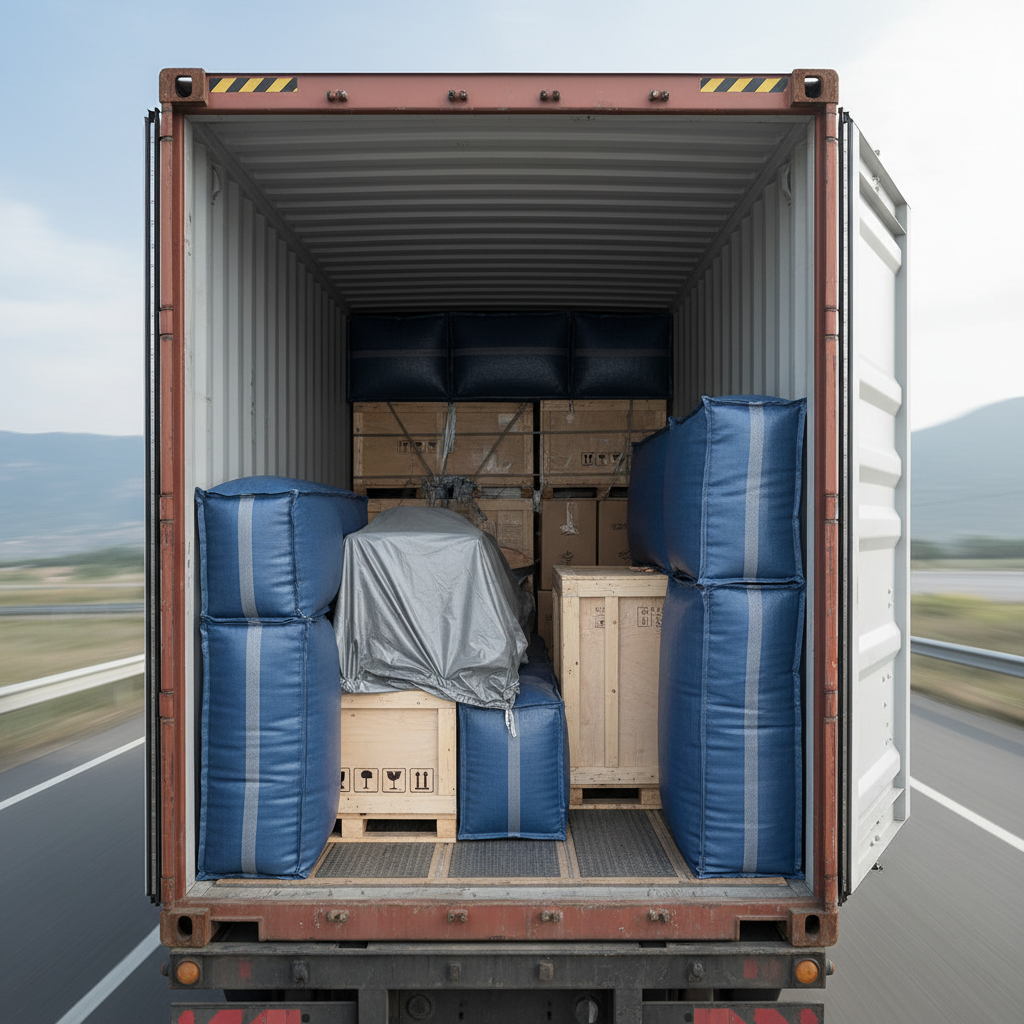
Dunnage bags play a crucial role in enhancing cargo stability during transport. By effectively filling empty spaces in shipping containers, these inflatable bags help prevent cargo from shifting, a common issue that can lead to damages and financial losses. According to the Institute of Cargo Management, cargo that is properly secured can reduce damage risk by up to 85%. This statistic underscores the importance of utilizing dunnage bags, particularly in industries reliant on transportation of goods by truck, train, or ship.
Moreover, the use of dunnage bags can significantly reduce the likelihood of accidents associated with cargo movement within transport vehicles. The Transports and Logistics Association reports that nearly 20% of cargo incidents are a result of improper loading and shifting during transit. By stabilizing loads with dunnage bags, businesses can minimize these incidents, ensuring that shipments arrive at their destination safely and intact. This not only protects products but also enhances overall operational efficiency, allowing companies to maintain a reliable supply chain and improve customer satisfaction.
Top 5 Benefits of Using Dunnage Bags for Safe Cargo Transport
The following chart illustrates the top five benefits of using dunnage bags for cargo transport, highlighting their impact on cargo stability, protection, cost efficiency, ease of use, and reduction of damage during transit.
Cost-Effectiveness of Dunnage Bags Compared to Traditional Packaging Solutions
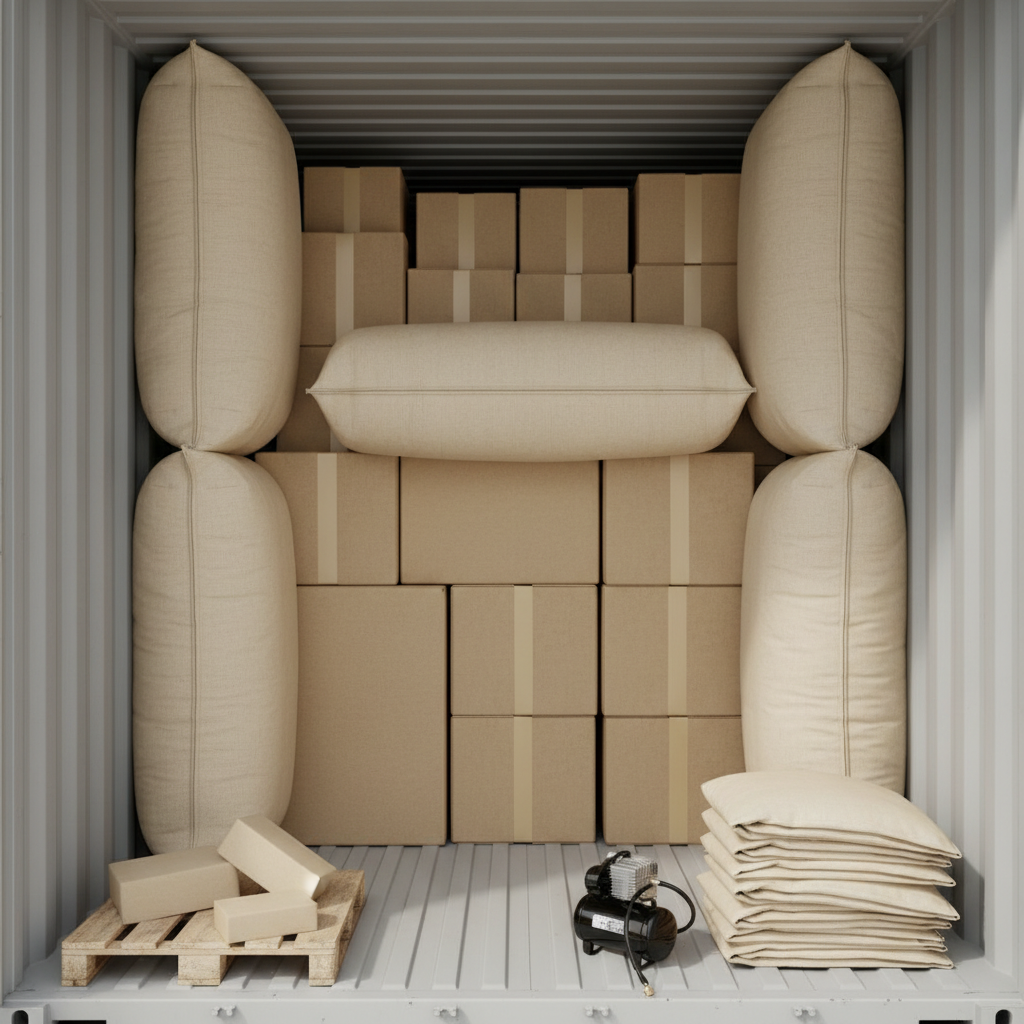
Dunnage bags have emerged as a cost-effective solution for securing cargo during transport, particularly when compared to traditional packaging methods such as wooden pallets and foam blocks. According to a report by the International Cargo Security Association, the use of dunnage bags can reduce packaging costs by up to 30%, which significantly contributes to lowering overall shipping expenses. Their lightweight nature not only reduces shipping weights but also minimizes fuel consumption, making them an eco-friendly choice without compromising on safety.
Another crucial advantage lies in the speed and efficiency of loading and unloading cargo. A study published by the World Packaging Organization highlighted that dunnage bags can expedite the loading process by 50%, allowing businesses to enhance their operational productivity. Traditional packaging solutions often require extensive labor and time to set up and dismantle, while dunnage bags can be inflated and positioned quickly, ensuring that cargo remains secure and stable throughout transportation. This streamlined approach not only cuts labor costs but also reduces the likelihood of cargo damage, further underscoring dunnage bags as a viable and economically sound option in the logistics industry.
Reducing Damage Rates: Statistical Impact of Dunnage Bags on Freight Protection
Dunnage bags are increasingly recognized for their crucial role in ensuring the safe transport of cargo, particularly in reducing damage rates during transit. According to recent studies, the strategic use of dunnage bags has resulted in a remarkable decrease in freight damage incidents, showcasing their effectiveness as protective measures. Statistically, businesses that incorporate these inflatable bags into their shipping processes have reported damage reduction rates of up to 30%. This substantial impact underscores the importance of proper cargo support in mitigating risks associated with transportation.
The protective qualities of dunnage bags stem from their ability to absorb shock and prevent cargo movement within shipping containers, trailers, or railcars. By filling voids and stabilizing contents, they provide an additional layer of security that significantly lowers the chances of structural damage. In light of these findings, companies looking to enhance their freight protection strategies should consider adopting dunnage bags. Investing in such protective solutions not only helps preserve cargo integrity but also contributes to overall operational efficiency, leading to a more reliable supply chain performance.
Versatility in Use: Dunnage Bags for Various Industries and Cargo Types
Dunnage bags have become indispensable in various industries due to their versatility and effectiveness in securing cargo during transport. These inflatable bags are designed to fill voids in shipping containers and truck trailers, providing cushioning and preventing cargo movement. Whether it's fragile electronics, automotive parts, or agricultural products, dunnage bags adapt to different cargo types, ensuring that goods arrive at their destinations intact.
One key tip for maximizing the use of dunnage bags is to select the appropriate size and type based on the cargo dimensions and weight. It's crucial to assess how much space needs to be filled and to use enough bags to create a stable load. Additionally, ensure proper inflation of the bags—under-inflated bags may not provide adequate support, while over-inflated ones can burst during transit.
Another important consideration is the material of the dunnage bags. Different industries may require specific materials—for instance, heavy-duty bags are ideal for industrial goods, while moisture-resistant bags work best for perishables. Always evaluate the environmental conditions your cargo will face during transport to choose the right dunnage to protect your valuable goods effectively.
Sustainability Benefits: Eco-Friendly Aspects of Dunnage Bags in Shipping Operations
Dunnage bags have gained recognition not only for their efficiency in cargo protection but also for their eco-friendly contributions to shipping operations. According to the International Maritime Organization, approximately 12% of global greenhouse gas emissions come from the shipping industry, making it imperative to adopt sustainable practices. Utilizing dunnage bags, which are typically made from recycled materials, can significantly reduce the carbon footprint associated with cargo transport. A study from the Environmental Protection Agency indicates that transitioning to eco-friendly packaging solutions can lead to a reduction of 30% in waste generation.
Moreover, dunnage bags are lightweight and reusable, which further enhances their sustainability credentials. The lighter weight of dunnage bags compared to traditional packaging materials contributes to lower fuel consumption during transport. Research from the World Shipping Council demonstrates that optimizing cargo with proper packaging can lead to significant energy savings—up to 40% less fuel usage annually when combined with efficient loading practices. By integrating dunnage bags into shipping operations, companies not only minimize their environmental impact but also align with the growing demand for corporate responsibility and sustainability in logistics.
Top 5 Benefits of Using Dunnage Bags for Safe Cargo Transport - Sustainability Benefits: Eco-Friendly Aspects of Dunnage Bags in Shipping Operations
| Benefit |
Description |
Sustainability Aspect |
Impact on Shipping Operations |
| Enhanced Protection |
Dunnage bags provide excellent cushioning, preventing cargo from shifting |
Reduction in product damage |
Lower costs related to damaged goods |
| Lightweight Solution |
Weigh less than traditional materials, improving load efficiency |
Less fuel consumption |
Increased cargo capacity on transport vehicles |
| Reusability |
Can be used multiple times, reducing waste |
Supports circular economy principles |
Cost savings over time due to decreased need for new packing materials |
| Easy to Use |
Quick to inflate and deflate, saving time in loading and unloading |
Efficiency in operations |
Faster turnaround times for shipments |
| Customizable Sizes |
Available in various sizes to fit different cargo shapes and sizes |
Reduction in excess material use |
Optimizes cargo space and reduces shipping costs |