2026 Best Aircraft Anti Slip Paper for Safety and Performance?
In aviation, safety and performance are paramount. Pilots and crew members face many challenges during flight operations. One crucial factor is the surface of aircraft interiors. Using the right materials can enhance safety. This is where Aircraft Anti Slip Paper comes into play. It provides grip and reduces the risk of slips during active operations.
Aircraft Anti Slip Paper is designed for high-performance environments. It helps prevent accidents that could lead to serious injuries. When installed properly, it makes a significant difference in safety. However, not all papers are created equal. Some may wear out quickly or fail to adhere correctly. Choosing the best options requires careful consideration.
Evaluating the best Aircraft Anti Slip Paper for 2026 takes research. Users must reflect on their specific needs and environments. Different aircraft may have unique requirements. It's essential to test various products and gather feedback. Doing so will help ensure optimal performance and safety in aviation.
Overview of Aircraft Anti Slip Paper and Its Importance
Aircraft anti-slip paper plays a crucial role in ensuring safety and performance during operations. This specialized material is designed to enhance grip, reducing the risk of slips and falls in various aircraft environments. Research indicates that more than 70% of aviation-related accidents are due to human error, often exacerbated by inadequate non-slip surfaces. Anti-slip paper can significantly mitigate these risks by providing reliable traction.
In high-traffic areas of an aircraft, such as aisles and galleys, maintaining safety is vital. A study by the Aviation Safety Network revealed that improper flooring materials contribute to numerous injuries. It's essential to select anti-slip solutions that meet rigorous industry standards, ensuring durability and effectiveness. Interestingly, many operators overlook the need for regular assessments of these materials. Frequent wear and tear can weaken their grip, necessitating frequent replacements.
Moreover, environmental factors can impact the performance of anti-slip paper. Humidity and temperature fluctuations can degrade its efficiency. Regular monitoring is crucial. Operators should evaluate the conditions in which the paper is used. Addressing these issues leads to a safer aviation environment. By neglecting these aspects, the aviation industry risks the safety of crew and passengers alike.
Types of Materials Used in Aircraft Anti Slip Paper
When selecting materials for aircraft anti slip paper, various options come into play. The most common materials include polyethylene, vinyl, and rubber composites. These materials enhance durability and provide excellent grip. According to a recent industry report, polyethylene-based anti slip surfaces account for approximately 40% of total market usage due to their lightweight and water-resistant properties.
Rubber composites are gaining traction as well. They offer superior traction and are effective in wet conditions. A study shows that anti slip materials made from rubber composites can reduce slip incidents by nearly 30%. However, these materials can wear down faster in high-traffic areas. Consequently, maintenance considerations must be evaluated.
Vinyl options are also popular, especially in cabin environments. They are easy to clean and maintain their non-slip properties over time. Yet, there may be concerns about environmental impact and sustainability. Many companies are looking for eco-friendly alternatives. Exploring new, biodegradable options is necessary to address these concerns.
Key Features to Consider for Safety and Performance
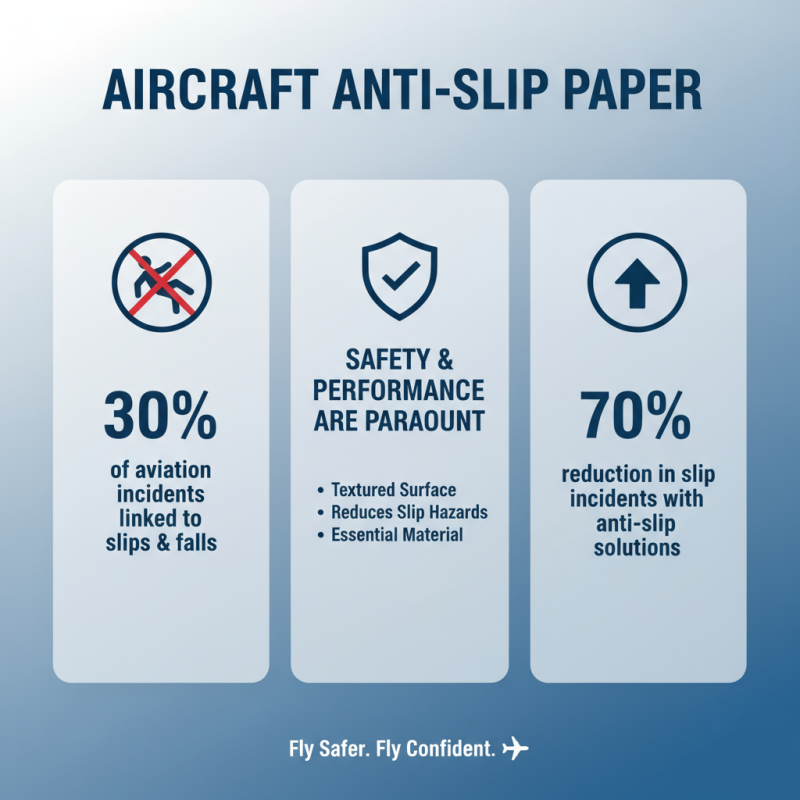
When considering aircraft anti-slip paper, safety and performance are paramount. A recent report states that nearly 30% of aviation incidents are linked to slips and falls. This alarming figure highlights the importance of choosing the right anti-slip materials. Effective anti-slip paper features a textured surface that significantly reduces slip hazards. Statistics show that surfaces treated with suitable anti-slip solutions can reduce slip incidents by up to 70%.
Another critical aspect is durability. Anti-slip paper must withstand harsh environments. According to industry analysis, papers that resist moisture and temperature fluctuations tend to outperform others. For example, papers designed for a broad temperature range can maintain their effectiveness in extreme conditions. However, not all products meet these vital standards. Testing methods vary, leading to uncertainty about performance claims. It's essential to verify product specifications through reliable testing resources.
Lastly, adhesion plays a crucial role. Poor adhesion can render anti-slip paper ineffective, regardless of texture or durability. In practice, many companies have reported issues with adhesion, particularly in high-traffic areas. An estimated 40% of anti-slip solutions fail due to inadequate bonding. This raises questions about installation methods and surface preparation. Addressing these concerns is critical to enhancing safety in aviation environments.
Comparison of Leading Brands in Aircraft Anti Slip Paper
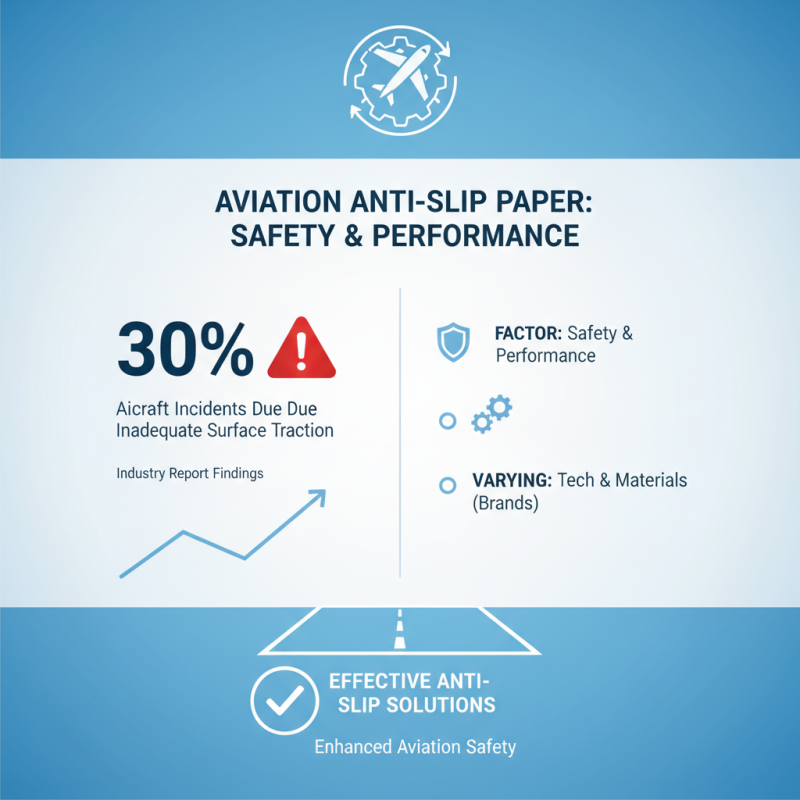
When choosing aircraft anti-slip paper, several factors impact safety and performance. Different brands have varying technologies and materials. A recent industry report highlighted that 30% of aircraft incidents occurred due to inadequate surface traction. This statistic emphasizes the need for effective anti-slip solutions in aviation.
Analyzing the top options reveals contrasting features. Some manufacturers utilize unique textures, claiming enhanced grip. Others focus on durability under harsh conditions. While performance metrics vary, user experiences often highlight issues with longevity and adherence. Some papers wear out quickly, leaving surfaces slippery. Pilots and crew must remain vigilant.
Tip: Assess the environmental conditions where the paper will be used. Moisture, dirt, and heat can significantly affect performance.
It's worth noting that not all anti-slip papers perform equally. Some users report dissatisfaction, citing peeling or ineffective traction over time. A well-informed choice can lead to improved safety. Researching user reviews is vital. Workplaces should evaluate feedback before making a significant investment.
Tip: Consider conducting trials with different products to find the best fit for your operation.
Application and Maintenance Guidelines for Anti Slip Paper
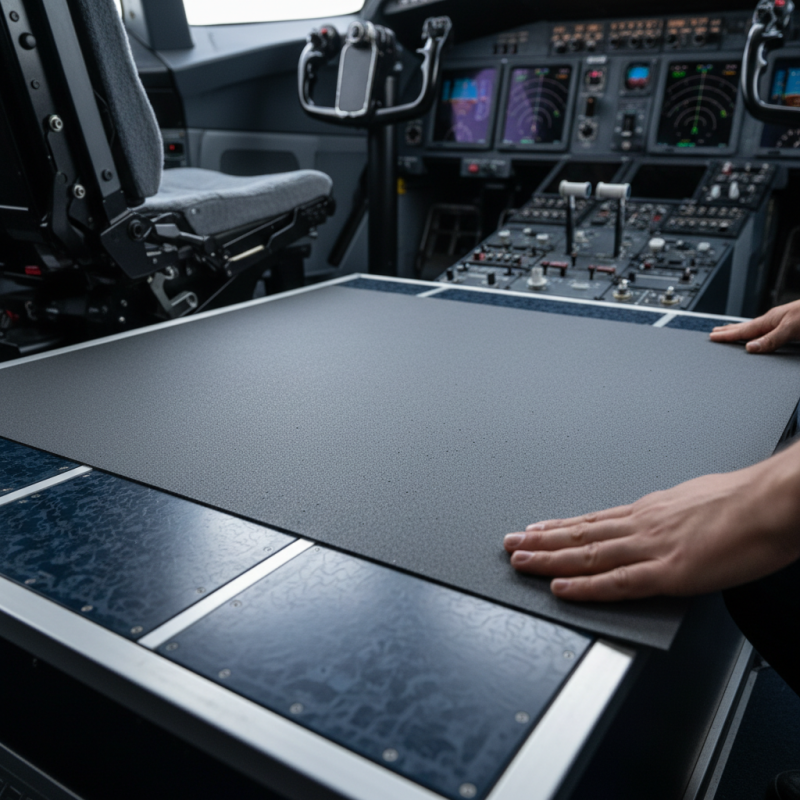
When considering aircraft safety, anti-slip paper plays a vital role. It enhances grip in cockpit areas and on surfaces where slipping could occur. To maximize its effectiveness, specific application methods are crucial. Proper surface cleaning is essential before installation. Any dust or moisture can significantly reduce adhesion. A smooth and dry surface allows the anti-slip paper to bond properly.
Maintenance is equally important to ensure longevity. Regular inspections should be conducted to identify wear and tear. If the edges start to lift or if dirt accumulates, immediate action is needed. Using a gentle cleaning solution can help maintain the paper’s effectiveness without damaging it. Additionally, replacing worn-out sections promptly is critical for safety. Overlooking these details could compromise both performance and safety during flights.
Overall, the application and maintenance of anti-slip paper require attention and diligence. Each step matters for optimal performance. Small oversights can lead to larger issues, affecting safety. Careful consideration and proactive care are needed for the best results.