Best Anti Slip Tray Liner Options for Safe Food Handling?
In the food service industry, safety and hygiene are paramount. Using an effective Anti Slip Tray Liner can significantly enhance food handling practices. According to a report by the Food Safety and Inspection Service (FSIS), improper handling is a leading cause of foodborne illnesses. A reliable tray liner not only prevents slips but also helps maintain a clean environment.
Recent studies indicate that more than 70% of kitchen accidents stem from wet or slippery surfaces. An Anti Slip Tray Liner addresses these issues effectively. It provides a secure grip for dishes, reducing the risk of spills and potential hazards. Ensuring that trays remain stable can dramatically improve operational efficiency in busy kitchens.
Moreover, industry experts emphasize the importance of selecting the right material for these liners. Some options may lack durability or be challenging to clean. Therefore, a thoughtful approach is necessary. Evaluating the balance between slip resistance and ease of maintenance is crucial. Embracing innovative solutions in the use of Anti Slip Tray Liners can lead to safer and more reliable food handling practices.
Overview of Anti Slip Tray Liners and Their Importance in Food Safety
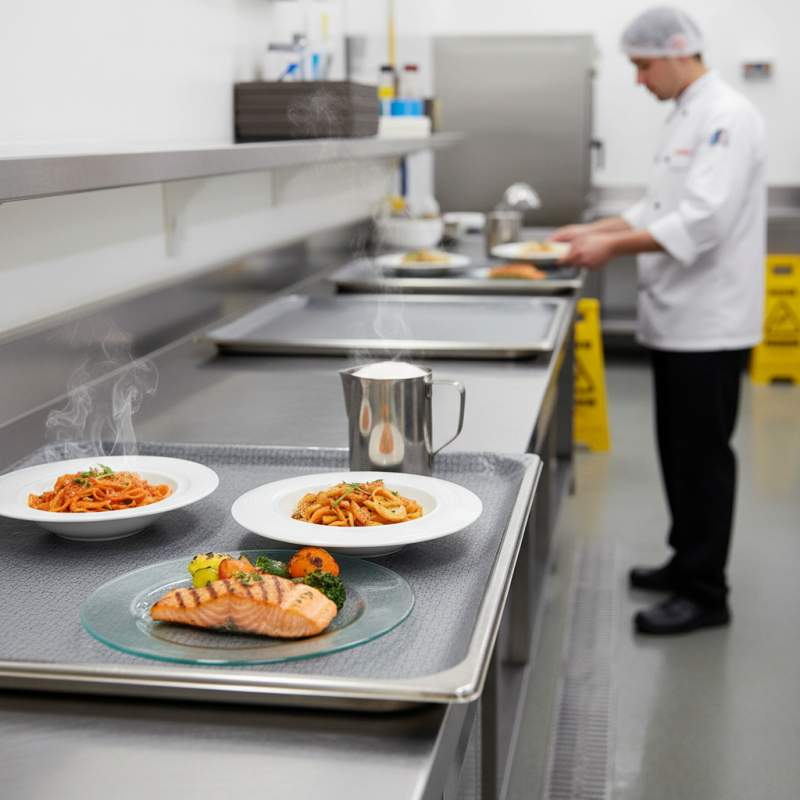
Anti-slip tray liners play a crucial role in food safety. They prevent items from sliding off trays during transport and storage. This feature is essential in busy kitchens where spills can lead to hazardous conditions. If food contacts the floor, it may become contaminated. The right liner minimizes this risk.
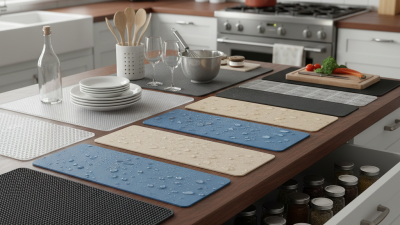
These liners come in various materials, including textured plastics and rubber. Each material has unique properties that influence grip and durability. A thicker liner may last longer, but it might be less flexible. You might find that some options do not fit well in all tray sizes. This inconsistency can lead to unwanted movement.
Choosing the best tray liner involves considering your specific needs. Look for options that provide good traction and are easy to clean. Reflect on past experiences with different liners. Did they perform as expected? Were there any issues with slip or maintenance? These reflections can guide future selections.
Best Anti Slip Tray Liner Options for Safe Food Handling
Types of Anti Slip Tray Liners Available on the Market
When handling food, safety is paramount. One essential tool for preventing slips and spills is anti-slip tray liners. Several types of these liners are available on the market, each offering unique benefits.
Nonslip mats are widely used in both commercial and home kitchens. Made from rubber or silicone, they provide a sturdy grip to keep dishes in place. These mats are easy to clean, but they may wear out over time and lose their effectiveness.
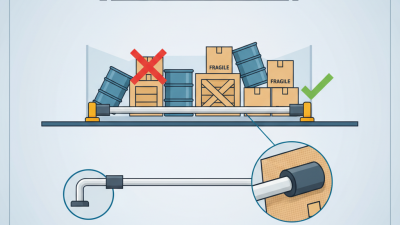
Another option is adhesive liners, which stick to trays and surfaces. They offer excellent stability and are often washable. However, peeling off the adhesive can be challenging, and it may leave residue behind. Flexible plastic liners are also popular. They are lightweight and come in various designs. While they protect trays from scratches, they sometimes shift around, which can be a concern during busy meal services. Each type has pros and cons. Consider your needs carefully before making a choice.
Key Features to Consider When Choosing Anti Slip Tray Liners
When choosing anti-slip tray liners, several crucial features should be considered. Material is key; options like rubber and foam offer superior grip. According to a report by the American National Standards Institute, surfaces with high friction coefficients reduce slip-related accidents by up to 70%. This is essential in food handling environments.
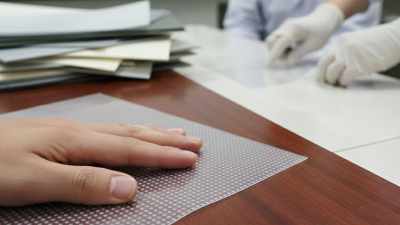
Texture is another vital element. A surface that is too smooth can defeat the purpose of a liner. Opt for those designed with textures that enhance grip, especially under wet conditions. A study published in the Journal of Safety Research highlighted that textured surfaces led to a 50% reduction in slip incidents. Ensuring proper size and fit for trays also plays a role. Mismatched liners may not provide the needed stability.
Tips: Always test a few liners in your specific environment. Pay attention to how they perform with various food items and scenarios. Regular replacements are necessary. Over time, wear can diminish their effectiveness, making them less reliable. Adjust based on feedback from staff who handle food daily; they can provide insight into performance and any necessary improvements.
Benefits of Using Anti Slip Tray Liners in Food Handling
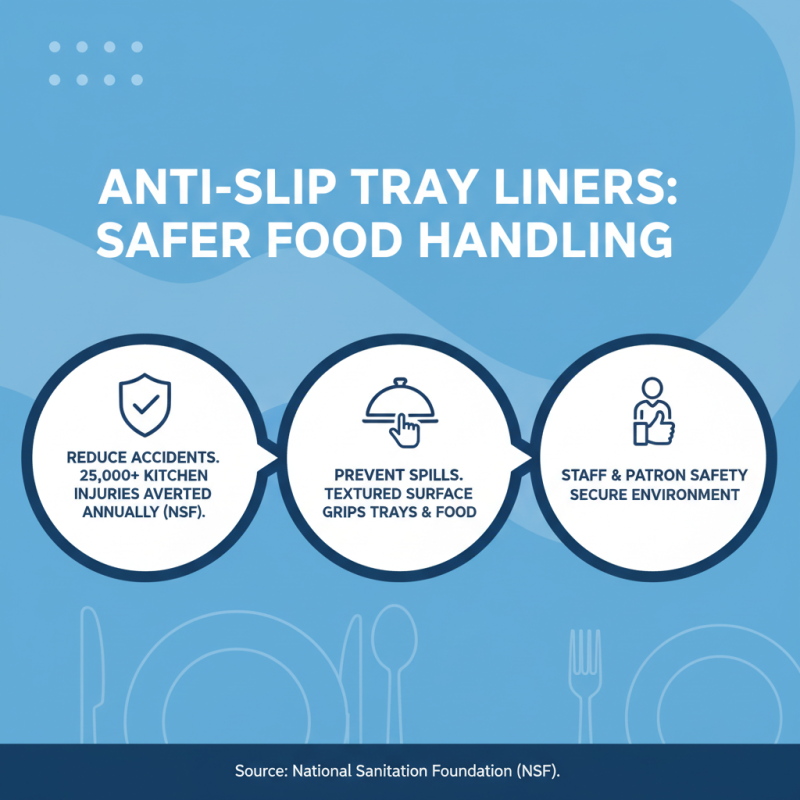
In the food handling industry, the importance of using anti-slip tray liners cannot be overstated. According to a report from the National Sanitation Foundation (NSF), slip-related accidents contribute to over 25,000 injuries each year in commercial kitchens. These liners mitigate such risks by providing a textured surface that grips both trays and food items. A well-designed anti-slip liner can reduce the chance of spills, ensuring a safer environment for both staff and patrons.
These tray liners come with additional benefits. They are often made from materials that resist bacteria and moisture, helping to maintain food hygiene. The Centers for Disease Control and Prevention (CDC) emphasizes that minimizing cross-contamination is crucial in food safety protocols. Employing anti-slip liners aligns with these recommendations. While they may require regular maintenance and cleaning, the potential reduction in safety incidents offers a significant return on investment.
However, it's essential to consider that not all liners perform equally. Some may wear out quickly under heavy use, necessitating frequent replacements. Understanding liner longevity and selecting the right option for specific kitchen environments is vital. Regular assessment of product performance can ensure that safety measures remain effective, fostering a culture of ongoing improvement within food handling practices.
Best Practices for Cleaning and Maintaining Anti Slip Tray Liners
Maintaining anti-slip tray liners is crucial for safe food handling. Proper care ensures longevity and hygiene. Start by cleaning the liners with warm, soapy water. Use a soft cloth or sponge to avoid scratching the surface. Rinse thoroughly to eliminate soap residue. For tougher stains, consider using a mild vinegar solution. This natural cleaner is effective and safe for food contact.
Storing your anti-slip liners affects their lifespan. Avoid folding them; instead, lay them flat. This prevents creases that can trap dirt. Regular inspections are essential. Check for wear and tear. Any damage can compromise their effectiveness. If you notice any significant issues, it may be time to replace them. Reflecting on these practices can lead to better food safety.