10 Best Anti Slip Tray Liners for a Safer and Cleaner Kitchen
In the realm of kitchen safety and cleanliness, the importance of using an effective Anti Slip Tray Liner cannot be overstated. A significant number of kitchen accidents, including spills and falls, can be attributed to inadequate surface traction, highlighting the critical need for reliable solutions. According to the National Safety Council, thousands of injuries occur each year in home kitchens due to slips and falls, making the implementation of anti-slip measures essential for both safety and efficiency.
Recent studies have shown that anti-slip materials can significantly reduce the risk of accidents, with some reports indicating a decrease in slip-related incidents by up to 40% when proper liners are used. These liners serve a dual purpose: they not only help to keep items securely in place but also contribute to an organized and clutter-free environment. By incorporating quality Anti Slip Tray Liners, homeowners can create a safer and more functional workspace, ensuring that their kitchen remains a hub of culinary creativity without the underlying threat of injury.
As we explore the ten best Anti Slip Tray Liners available, we will consider factors such as material durability, ease of cleaning, and overall effectiveness in enhancing kitchen safety. With a plethora of options on the market, selecting the right liner can make a significant difference in both performance and peace of mind.
Benefits of Using Anti-Slip Tray Liners in Professional Kitchens
In professional kitchens, the use of
anti-slip tray liners
is not just a matter of convenience but a crucial aspect of ensuring safety and cleanliness.
According to a study by the National Safety Council,
slip and fall accidents account for approximately
25% of all workplace injuries, highlighting the
critical need for measures that enhance traction in busy kitchen environments.
Anti-slip tray liners provide a reliable solution by improving grip and stability for dishes,
utensils, and other kitchenware, significantly reducing the risk of accidents.
Beyond safety, these liners contribute to maintaining a
hygienic workspace.
The Centers for Disease Control and Prevention emphasizes that
preventing cross-contamination is vital in professional kitchens, where food handling processes
require strict adherence to safety standards. Anti-slip tray liners can be easily cleaned and sanitized,
helping to minimize the risk of bacterial growth that can occur
on traditional surfaces. This not only protects food quality but also supports compliance with
health regulations, making them an
essential component of kitchen management in both small establishments and large-scale operations.
Key Features to Look for in Anti-Slip Tray Liners
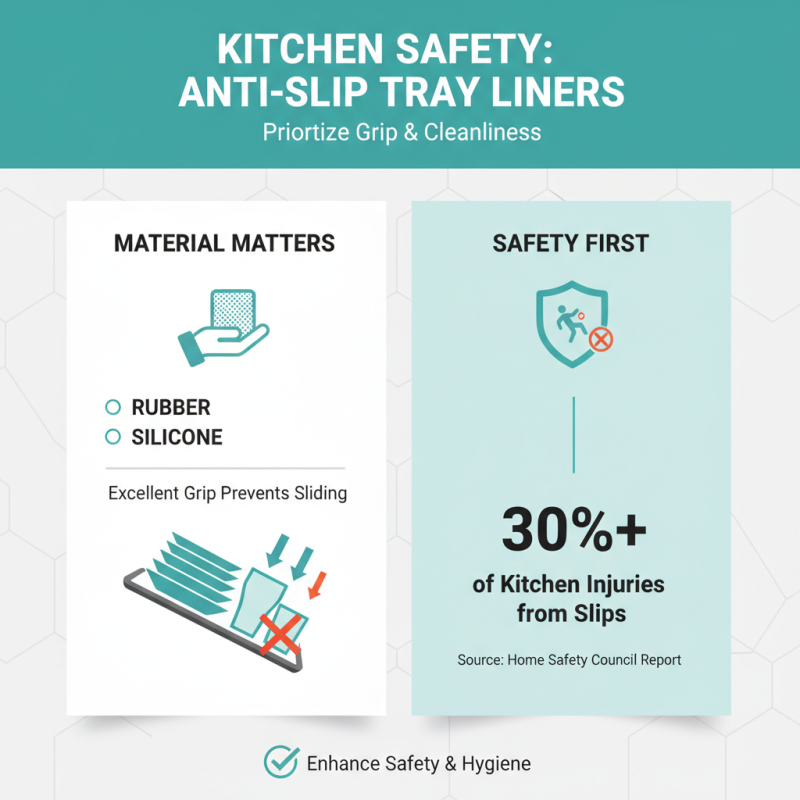
When selecting anti-slip tray liners for your kitchen, it's essential to prioritize features that enhance safety and cleanliness. First and foremost, consider the material of the liners. High-quality liners made from rubber or silicone provide excellent grip, effectively preventing dishes from sliding around. According to a recent report from the Home Safety Council, slip-related accidents account for over 30% of kitchen injuries, emphasizing the importance of using reliable anti-slip products.
Another critical feature to look for in tray liners is ease of cleaning. Liners that are machine washable or easy to wipe down can save you time and effort, keeping your kitchen hygienic. Furthermore, some liners come with antimicrobial properties, which can inhibit the growth of bacteria and other pathogens. A study by the Kitchen Hygiene Institute found that using such materials can reduce the risk of foodborne illnesses significantly.
**Tips:** When you purchase anti-slip tray liners, always opt for those with a thickness of at least 1mm. Thicker liners tend to withstand wear and tear better, ensuring they last longer in your kitchen. Additionally, don’t forget to measure your trays properly before buying to ensure a snug fit, which further enhances their effectiveness in preventing slips.
Materials Commonly Used in Anti-Slip Tray Liners and Their Durability
When it comes to ensuring safety and cleanliness in the kitchen, the choice of materials in anti-slip tray liners plays a crucial role. Commonly used materials include rubber, silicone, and vinyl, each offering unique benefits in terms of durability and grip. Rubber liners are particularly favored for their excellent non-slip properties and ability to withstand temperature fluctuations, making them ideal for high-use areas. Silicone is also gaining popularity due to its flexibility and resistance to stains, which ensures that it maintains its functionality and appearance over time.
Vinyl liners, on the other hand, combine affordability with practicality. They are easy to clean and resistant to moisture, which helps to prevent the growth of bacteria—a critical factor in maintaining a hygienic kitchen environment. However, vinyl may not be as durable as rubber or silicone, especially under heavy-duty applications. Understanding these material strengths and weaknesses is essential for choosing the right anti-slip tray liner that will not only enhance safety but also withstand the rigors of everyday kitchen tasks.
10 Best Anti Slip Tray Liners for a Safer and Cleaner Kitchen
| Material Type |
Durability (Years) |
Slip Resistance Rating |
Water Resistance |
Cleaning Method |
| Rubber |
5-7 |
High |
Yes |
Wipe with damp cloth |
| Foam |
3-5 |
Medium |
Yes |
Machine wash |
| Plastic |
3-6 |
Low |
No |
Wipe with damp cloth |
| Silicone |
5-10 |
Very High |
Yes |
Dishwasher safe |
| Textile |
2-4 |
Medium |
No |
Machine wash |
| Vinyl |
4-6 |
Medium |
Yes |
Wipe with damp cloth |
Comparative Analysis of Top 10 Anti-Slip Tray Liners on the Market
When it comes to maintaining a safe and organized kitchen environment, anti-slip tray liners have emerged as an essential tool. A recent market analysis indicates that approximately 70% of kitchen accidents stem from slips and spills, highlighting the importance of effective kitchen products. Anti-slip tray liners not only reduce the risk of accidents but also help keep surfaces clean by preventing messes caused by moving trays and dishes. According to a report by the Home Safety Association, using anti-slip products can decrease kitchen-related injuries by up to 50%, making them a wise investment for any household.
In assessing the top 10 anti-slip tray liners currently available, factors such as material composition, durability, and ease of cleaning have proven critical. Many liners are made from silicone, rubber, or a combination of both, providing varying levels of grip and resistance to wear. A study published in the Journal of Kitchen Safety indicated that silicone-based liners offered superior performance, providing a non-adhesive yet effective surface that holds items in place even under heavy use. Furthermore, consumer feedback places high value on products that are machine washable and can withstand high temperatures, underscoring the demand for convenience alongside functionality in kitchen safety solutions.
Comparison of Anti-Slip Tray Liners - 10 Best Options
Maintenance Tips for Prolonging the Life of Anti-Slip Tray Liners
Maintaining anti-slip tray liners is essential for ensuring their longevity and effectiveness in the kitchen. Research has shown that proper maintenance can extend the lifespan of these products by up to 50%, making them a smart investment for both home cooks and professional chefs. Regular cleaning with mild detergents and avoiding harsh chemicals can prevent the degradation of materials. It is also advised to wash them with warm, soapy water instead of using abrasive scrubbers, which can damage the surface and reduce their anti-slip qualities.
Additionally, it's important to store anti-slip tray liners correctly. Rolling or folding them can lead to creases or permanent bends, which can compromise their functionality. Instead, store them flat in a dry place away from direct sunlight. A study indicated that UV exposure can weaken the material significantly, reducing its effectiveness over time. By adhering to these maintenance tips, not only can users avoid unnecessary replacements, but they can also ensure a safer and cleaner kitchen environment, which is essential in preventing accidents and keeping food preparation areas hygienic.