Best Cardboard Sheet Uses and Tips for Your Projects?
Cardboard sheets are incredibly versatile materials widely used in various projects. Experts in the cardboard industry emphasize their practicality. John Smith, a leading cardboard specialist, once stated, "Cardboard sheets are the backbone of DIY creativity." His insight captures the essence of their utility.
In crafting and design, cardboard sheets offer endless possibilities. They can be transformed into anything, from prototypes to intricate art pieces. The right techniques can elevate your project, but often, we overlook basic principles. Many fail to consider the weight and thickness of the cardboard sheet they choose. This can lead to rushed decisions and unmet expectations.
Creativity should strike a balance with functionality. Using cardboard sheets can spark imagination, yet mistakes can happen. Choosing the wrong type or neglecting measurements may lead to unsatisfactory outcomes. With a bit of reflection, you can harness their full potential while avoiding common pitfalls. Embrace the journey of working with cardboard sheets for your next project!
Best Cardboard Sheet Types for Various Project Needs
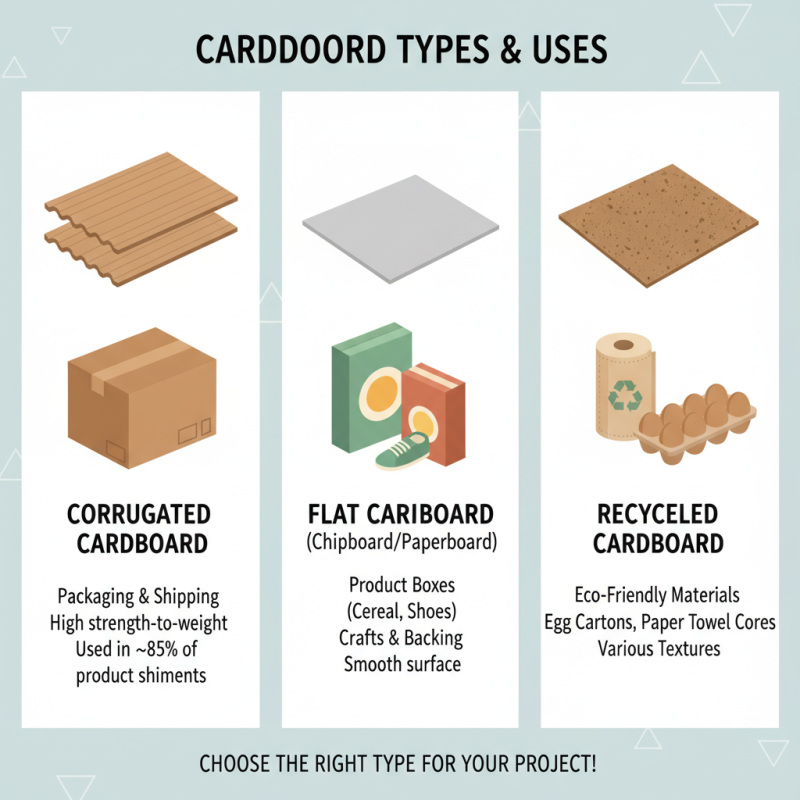
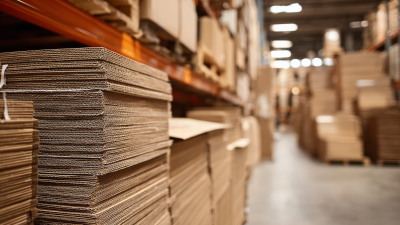
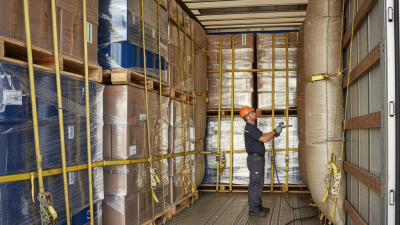
Cardboard sheets come in various types, each suited for specific projects. Recognizing the right type can enhance your outcomes. For instance, corrugated cardboard is commonly used for packaging. Its strength-to-weight ratio makes it ideal for shipping and protection. According to industry reports, approximately 85% of all product shipments utilize corrugated cardboard.
Another popular option is chipboard. This type is denser and thicker, often used for book covers and game boards. Its versatility shines in both crafting and protective cases. A survey indicates that 40% of artisans prefer chipboard for its rigidity and ease of cutting.
Lastly, foam board offers lightweight insulation. It's perfect for signs and displays. However, it can be less durable in high moisture areas. You might find limitations when using foam board outdoors. Misjudgments like this can lead to project failures. Be aware of these factors when selecting your cardboard type.
Creative Uses of Cardboard Sheets in Art and Design Projects
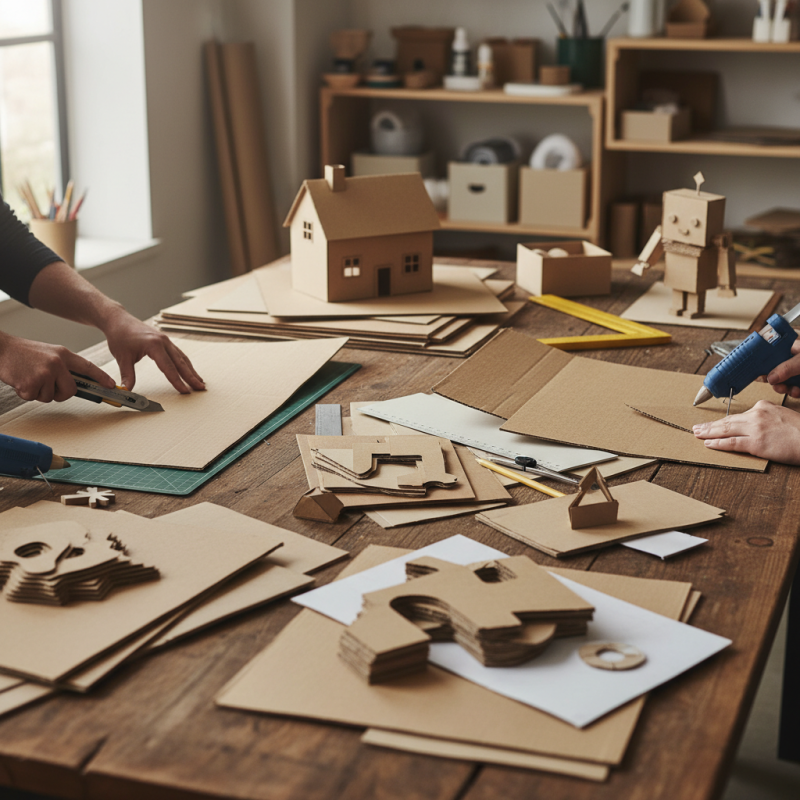
Cardboard sheets are versatile materials for art and design projects. They can be cut, glued, and painted to create stunning pieces. Many artists enjoy using them for 3D sculptures. The lightweight nature is ideal for intricate designs. You can easily manipulate the cardboard to fit your vision.
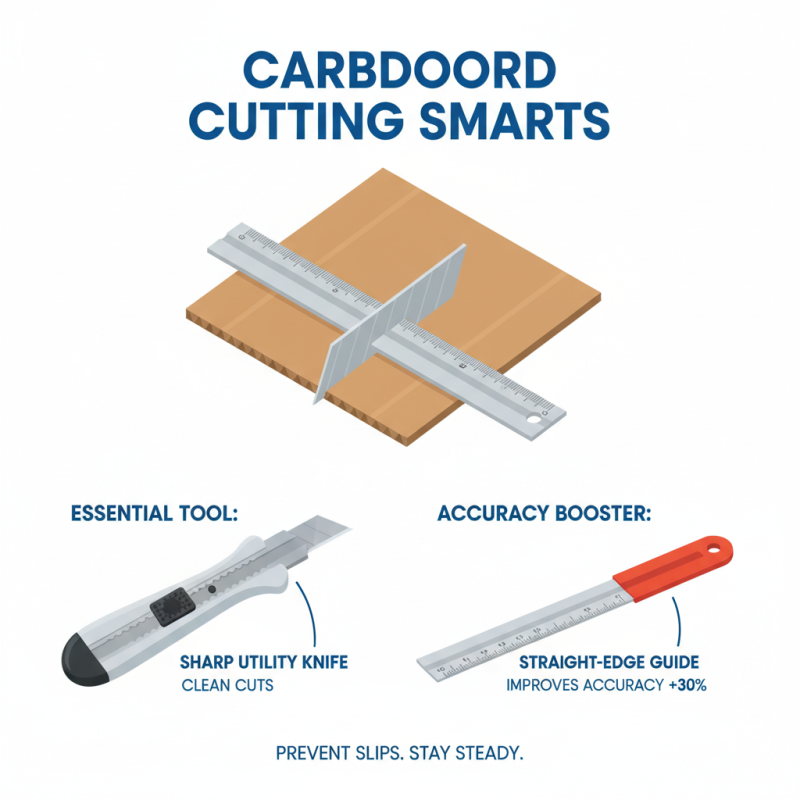
Try using cardboard for model making. It's great for architectural designs or prototypes. Simple tools like scissors and a craft knife are all you need. Assemble different shapes and sizes for diverse outcomes. However, remember that precision in measurements can be challenging. Mistakes may lead to frustrating results, yet these moments often spark creativity.
Explore upcycling by using old cardboard boxes. Transform them into unique wall art or functional décor. Paint them bright colors, or allow natural textures to shine through. Each piece tells its own story. Cardboard can be forgiving, but it also requires thoughtful handling. Every cut and fold brings potential for improvement.
Best Cardboard Sheet Uses and Tips for Your Projects
| Use |
Description |
Tips |
| Model Making |
Create detailed models for architecture or engineering projects. |
Use a craft knife for clean edges and a cutting mat for safety. |
| Art Projects |
Incorporate cardboard into mixed media artworks. |
Experiment with paint and texture for creative effects. |
| Packaging |
Use for shipping fragile items safely. |
Reinforce corners with tape for extra protection. |
| DIY Furniture |
Construct lightweight furniture pieces, such as stools or tables. |
Consider double-layering for added stability. |
| Storage Solutions |
Create custom boxes or organizers for home storage. |
Label your boxes to keep items organized. |
Recycling and Sustainability: The Environmental Impact of Cardboard
Cardboard is an abundant material found in homes and businesses. Its environmental impact is significant. Recycling cardboard reduces waste in landfills. It also saves trees and energy. Yet, people often underestimate its potential.
When using cardboard, consider its recycling capabilities. Check local guidelines for cardboard disposal. Many places accept it curbside. Reduce contamination by cleaning it before recycling. This simple act can make a big difference.
In projects, use leftover pieces creatively. Create organizers or decorations. Children can paint cardboard for craft projects. Such uses promote recycling and creativity. Yet, remember, not all types of cardboard are recyclable. Reflect on your materials to minimize waste.
Expert Tips for Strengthening and Reinforcing Cardboard Structures
When working with cardboard, reinforcement is key. Using multiple layers can significantly improve strength. You can glue sheets together or use tape at the seams. This adds stability to your structure. Don't forget to consider the weight distribution. Heavier items should be placed at the bottom.
Tips for strengthening your cardboard structures include adding wooden dowels or straws inside. These simple inserts can act as supports. For curves and bends, use scored lines to prevent cracking. Make sure to test your design before the final assembly. This can save time if adjustments are needed.
Consider using a waterproof sealant if your project is intended for outdoor use. Cardboard can deteriorate quickly when wet. Reinforcing corners with extra cardboard pieces is advised. They often bear the most stress. Every little detail counts in construction. Pay attention to how your design holds up over time, and be ready to make improvements.