Best Pp Dunnage Bag for Global Shipping Needs?
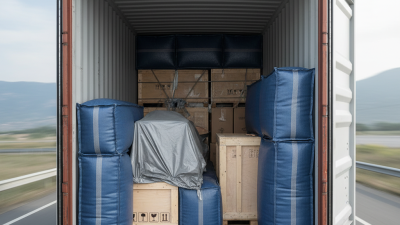
When it comes to global shipping, choosing the right tools is crucial. The PP Dunnage Bag has emerged as a popular solution for ensuring cargo safety. These bags provide cushioning and support during transit, helping to prevent damage. Made from durable materials, they can withstand various pressures, making them ideal for heavy shipments.
However, not all PP Dunnage Bags are created equal. Factors such as size, material thickness, and inflation design play significant roles in their effectiveness. It’s essential to consider these aspects when selecting a bag that meets specific shipping needs. While many options are available, finding the best one requires careful evaluation.
Reliability and performance vary across different brands and models. Users often encounter challenges, such as leaks or insufficient cushioning, which necessitate a thoughtful approach. Understanding these issues can help shippers make informed choices. The right PP Dunnage Bag can enhance shipping efficiency, but it’s essential to explore and evaluate options thoroughly.
Factors to Consider When Selecting Pp Dunnage Bags for Shipping
When selecting PP dunnage bags for shipping, several factors impact their effectiveness. Material quality is crucial. High-quality polypropylene offers durability and strength. A report from the International Journal of Packaging Material indicated that bags made from certified materials can withstand significant pressure without rupturing.
Dimensions and sizing play a vital role as well. The right fit ensures that the bag fills voids correctly. According to logistics studies, improperly sized bags can lead to cargo shifting. This shifts the weight distribution during transit and increases damage risk. It's not uncommon for shippers to underestimate these dimensions, resulting in costly losses.
Inflation methods also matter. Many options exist, including manual and automatic inflation. Research suggests that automated systems reduce labor time and improve efficiency. However, they require higher initial investments. This leads to questions about long-term value versus short-term savings. Understanding specific shipping needs and conditions is essential before making a decision. Each shipping situation is unique, and one size does not fit all.
Types of Pp Dunnage Bags and Their Specific Applications
When considering the various types of PP (polypropylene) dunnage bags for global shipping, it is crucial to understand their specific applications. Dunnage bags are essential for securing cargo during transportation, minimizing the risk of damage. The International Maritime Organization reports that improper cargo securing leads to significant financial losses, estimating losses in the shipping industry at around
$2 billion annually.
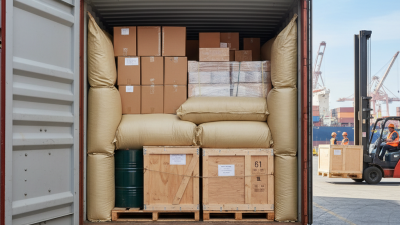
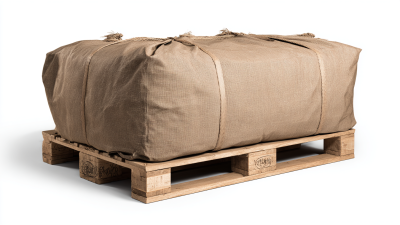
One common type of PP dunnage bag is the inflatable style, designed for use in container shipping. These bags offer flexibility and can be adjusted to fit the space around cargo effectively. They prevent shifting and ensure cargo stability during transit. Another variant is the static type, used primarily for bulk shipments. These bags, though less adaptable, provide a robust solution for heavier goods, maintaining their shape under pressure.
Despite their benefits, dunnage bags are not infallible. Manufacturers often face challenges with leakage and punctures, which can compromise the integrity of the package. Some reports suggest that up to 20% of dunnage bags fail in transit due to manufacturing defects or improper use. It highlights the importance of selecting high-quality materials and ensuring proper application. Understanding the right type of dunnage bag for specific shipping needs can significantly influence the safety and reliability of transported goods.
Industry Standards for Durability and Performance of Dunnage Bags
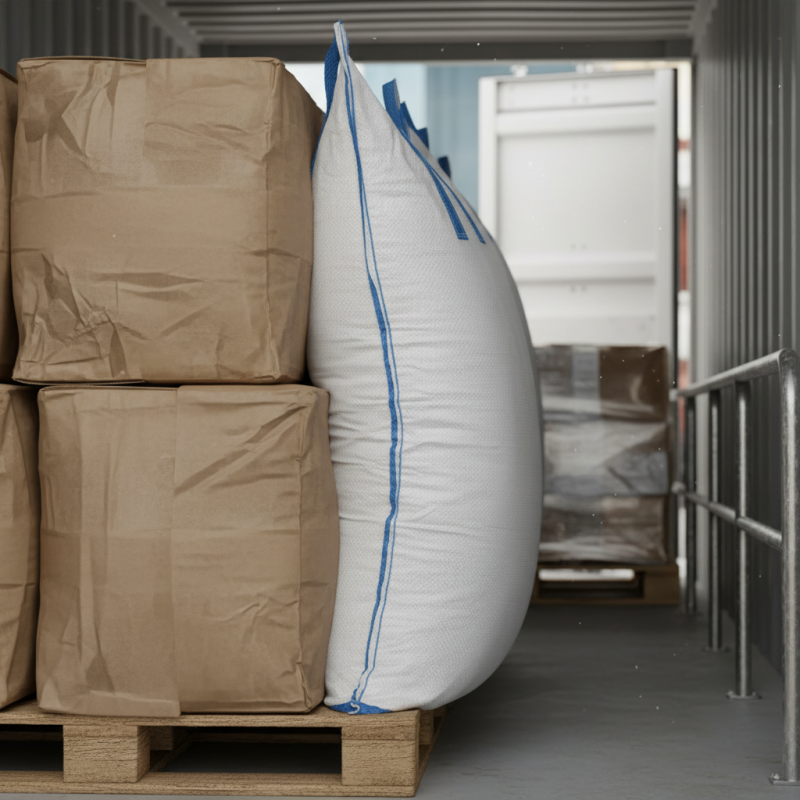
When selecting dunnage bags for global shipping, it’s essential to focus on industry standards for durability and performance. According to the International Safe Transit Association (ISTA), dunnage bags must withstand significant pressures during transportation. They should resist punctures and tears to ensure cargo remains secured. Many reports indicate that bags rated for a minimum burst pressure of 2,000 pounds per square inch (psi) effectively meet these requirements.
Another crucial aspect is material quality. A study by the Flexible Packaging Association highlights that high-quality polyethylene or polypropylene is vital for maintaining integrity while in transit. While some products claim to offer high strength, not all meet the ASTM D2103 standards for tensile strength. Companies should conduct regular testing to ensure compliance.
Real-world observations suggest a gap in the consistency of product performance. Not all bags labeled as durable live up to their promises. Discrepancies in manufacturing can lead to failures. By emphasizing quality control and material testing, businesses can better protect their shipments. The shipping industry demands reliable solutions, and careful selection of dunnage bags is key.
Cost Analysis of Pp Dunnage Bags vs. Alternative Packaging Solutions
When considering packaging solutions for global shipping, cost is a crucial factor. PP dunnage bags have gained popularity due to their lightweight nature and ease of use. They effectively fill voids and stabilize cargo during transit. However, it's essential to analyze their cost compared to alternative packaging methods.
Alternative options, such as foam inserts or wooden pallets, come with higher production and transportation costs. Foam can be bulky and adds weight, increasing shipping expenses. Wooden pallets require treatment and maintenance, raising overall costs as well. PP dunnage bags, while cost-effective, might face scrutiny over their environmental impact. The need for sustainable materials is growing, leading many companies to seek eco-friendly alternatives.
While PP dunnage bags are generally cheaper, they are not always the perfect solution. Their effectiveness can vary based on cargo type and shipping conditions. Companies must weigh their short-term savings against long-term goals for sustainability. It’s a complex decision that requires careful consideration. Every shipping scenario is different, and the right choice may differ from one shipment to another.
Cost Analysis of PP Dunnage Bags vs. Alternative Packaging Solutions
Impact of Proper Dunnage Usage on Global Shipping Efficiency and Safety
Proper dunnage usage is crucial for enhancing efficiency and safety in global shipping. When cargo is secured properly, the risk of damage decreases significantly. This could lead to fewer claims and financial losses.
Dunnage bags play a vital role in stabilizing cargo during transit. They cushion the load and absorb impacts from external forces.
**Tips:** Always check for the appropriate size of dunnage bags for your cargo type. Proper inflation is vital for optimal performance.
Regularly inspect for wear or damage, as old bags may fail during transportation.
However, inefficiencies can arise when dunnage is improperly used. Mismanagement can lead to cargo shifting and potential accidents.
Training workers on dunnage applications can mitigate these issues. Understanding the nuances of load securing ensures that shipments arrive safely.
**Tips:** Invest time in educating your team on best practices. Use real-life scenarios to highlight potential risks. This simple step can enhance overall shipping efficiency.