Best Edge Protector Pallet for Safe Shipping and Storage?
When it comes to safe shipping and storage, the choice of edge protection is crucial. An effective Edge Protector Pallet can significantly reduce the risk of product damage during transport. This innovative solution helps safeguard items from sharp edges and impacts.
Many businesses overlook the importance of quality edge protection. It’s easy to assume that standard pallets will suffice. However, inadequate edge protection can lead to costly damages. Investing in a reliable Edge Protector Pallet not only enhances product safety but also ensures customer satisfaction.
Choosing the right edge protector requires careful consideration. Factors such as material strength, design, and compatibility with your products play key roles. While different options exist, not all are equal. It may take some trial and error to find the best fit for your needs. Ultimately, incorporating a high-quality Edge Protector Pallet into your shipping strategy is a decision worth reflecting on.
Understanding the Importance of Edge Protectors in Shipping and Storage
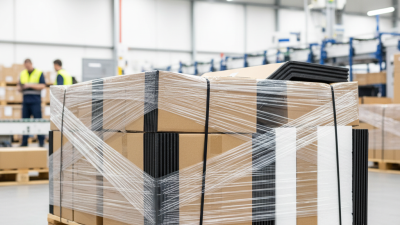
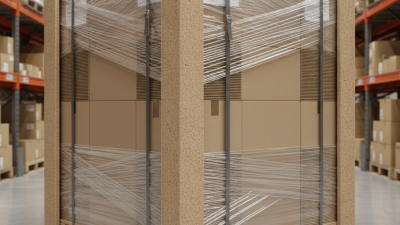
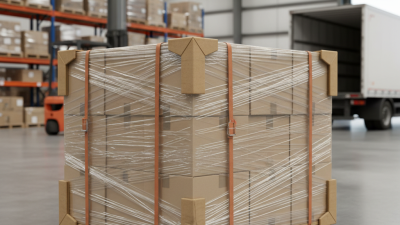
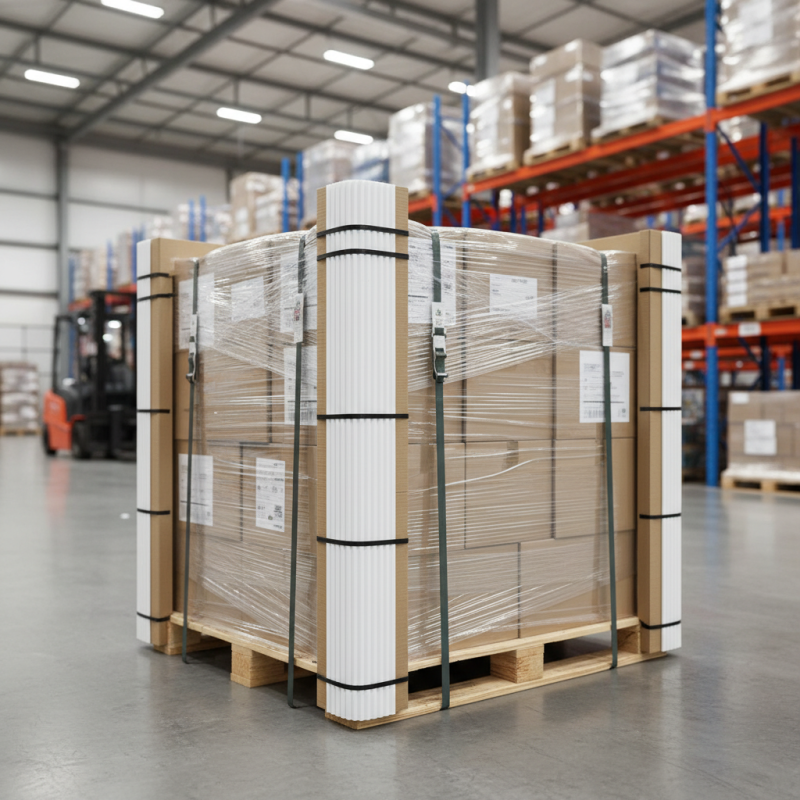
Edge protectors play a crucial role in the shipping and storage of goods. They serve to safeguard vulnerable corners and edges of packages. During transportation, items can shift, increasing the risk of damage. Edge protectors help maintain the integrity of the load. They prevent wear and tear, ensuring products reach their destination safely.
When considering packaging for shipment, edge protectors are essential. They reduce the impact of stress on edges that might otherwise break or deform. Using these protectors can minimize financial losses due to damaged goods. Additionally, they facilitate better stacking and stability. A well-organized shipment can lead to smoother logistics.
However, not all edge protectors are created equal. Choosing the right material and design can be challenging. It requires careful consideration and possibly trial and error. Regular evaluation of packaging methods is vital. Understanding limitations and the specific needs of each shipment can lead to improved results. Moreover, feedback from team members handling the shipping process is invaluable.
Types of Edge Protectors: Materials and Designs Explained
When it comes to shipping and storage, edge protectors play a crucial role. Various materials and designs are available to cater to specific needs. Cardboard edge protectors are lightweight and cost-effective. They are suitable for light-duty applications. However, they may not withstand extreme conditions for long periods. On the other hand, plastic edge protectors offer better moisture resistance. These are ideal for heavy-duty uses and can endure more stress.
Metal edge protectors provide an excellent option for high-impact environments. They are robust and often used in industrial settings. However, they can be heavier and may add to shipping costs. Choosing the right material ensures that your goods remain unharmed during transit. Think about the environment your products will face.
Tips: Always assess the weight and fragility of your items. Consider the shipping distance and duration. Combine different materials when necessary for enhanced protection. Don’t overlook the importance of proper application. A poorly positioned edge protector can lead to damage. Experiment to find the best methods for your specific needs.
Best Edge Protector Pallet for Safe Shipping and Storage? - Types of Edge Protectors: Materials and Designs Explained
| Type of Edge Protector |
Material |
Design Features |
Use Case |
Benefits |
| Cardboard Edge Protectors |
Recycled Cardboard |
L-shape, customizable sizes |
Lightweight items |
Eco-friendly, cost-effective |
| Plastic Edge Protectors |
High-density polyethylene (HDPE) |
Durable, water-resistant |
Heavy-duty shipping |
Long-lasting, lightweight |
| Metal Edge Protectors |
Steel or Aluminum |
Custom shapes, robust |
Very heavy loads |
Superior protection, reusable |
| Foam Edge Protectors |
Polyurethane Foam |
Flexible, cushioned |
Fragile items |
Shock absorption, lightweight |
Factors to Consider When Choosing the Best Edge Protector Pallet
When selecting the best edge protector pallet, several factors demand attention.
Material is essential. Options like cardboard and plastic each have unique benefits.
Cardboard is lightweight and recyclable, while plastic may offer greater durability.
Assess the load capacity. A pallet that can withstand heavy loads ensures safety during shipping and storage.
Size and fit also matter. A well-fitted protector can prevent shifting. This reduces damage to goods.
Consider compatibility with existing systems too. An edge protector must easily integrate with your operations. Many users overlook this, leading to mishaps.
The environmental impact is another vital aspect. Eco-friendly alternatives are increasingly available.
Choosing sustainable options reflects a commitment to responsibility. However, it might require research to find such products.
Balancing performance and ecological considerations can be challenging. Ultimately, assessing these factors carefully aids in making a more informed decision.
How to Properly Use Edge Protectors for Maximum Safety
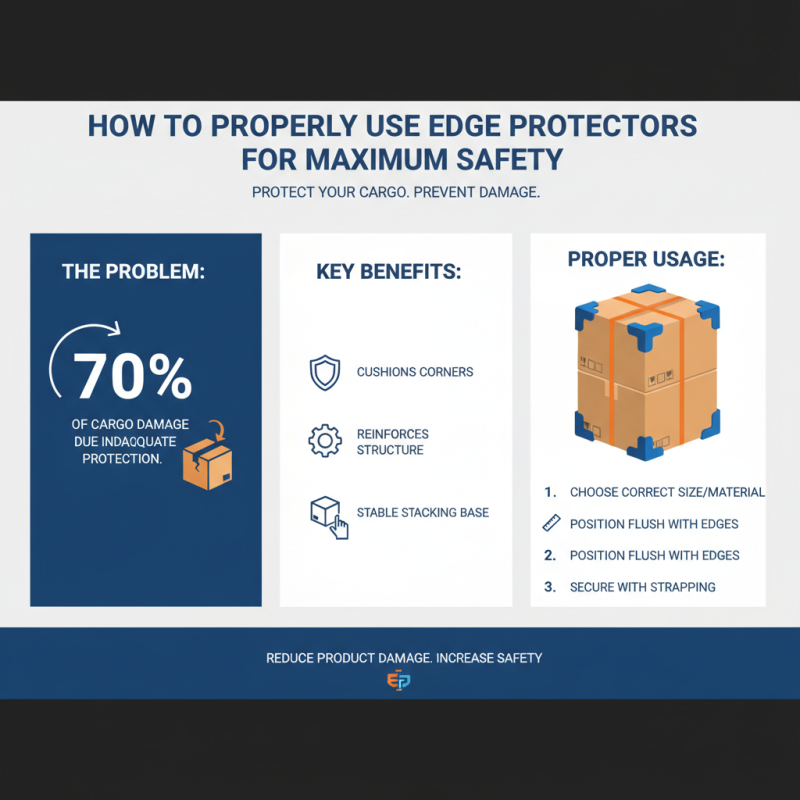
Edge protectors play a crucial role in securing loads during shipping and storage. According to a recent industry report, nearly 70% of cargo damage occurs due to inadequate edge protection. This statistic highlights the importance of proper usage and selection of edge protectors. When applied correctly, edge protectors can significantly reduce the risk of product damage. They cushion corners, reinforce structural integrity, and provide a stable base for stacking.
To maximize safety, it is essential to choose the right type of edge protector based on the load's weight and dimensions. For instance, heavier loads may require thicker cardboard or metal protectors, while lighter items can often be secured with plastic solutions. Additionally, ensure that edge protectors fit snugly against the load. Gaps can lead to shifting and damage during transit. Regular training on the correct application technique for employees is also vital. According to shipment data, consistent application of protective measures can reduce loss rates by up to 30%.
A common oversight is the use of edge protectors that do not match the product type or shipping method. This misalignment can compromise the entire load’s integrity. Furthermore, it’s crucial to regularly assess existing edge protection materials for wear and tear. Ignoring this could expose your cargo to unnecessary risks. Employing effective edge protector strategies requires awareness and a willingness to reflect on current practices.
Top Brands and Products for Edge Protectors in the Market
When it comes to safe shipping and storage, selecting the right edge protector is crucial. These products safeguard your items from damage during transit. They absorb shock and reduce the risk of corner impacts. Reliable edge protectors can be made from materials like cardboard, plastic, or foam. Each material offers different levels of protection and durability.
Several brands have established themselves as leaders in the industry. Their products are designed for various applications, ensuring options for different shipping needs. User reviews and expert opinions can provide insight into which products might work best. Choosing edge protectors that fit your specific requirements is vital. It can be disappointing to realize that some protectors may not offer adequate cushioning or may wear out too quickly.
Look for edge protectors with good ratings on strength and size. Some might find the price points challenging, but investing in quality pays off in the long run. Durability should not be compromised for savings. Always assess the balance between cost and protection. Ultimately, making an informed choice can lead to safer shipment processes. Better edge protection can transform potential losses into secure deliveries, enhancing the overall efficiency of logistics.
Best Edge Protector for Safe Shipping and Storage