Top 10 Best Safety Cargo Nets for Secure Transport Solutions?
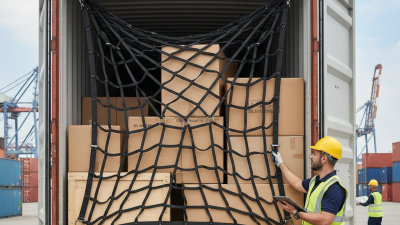
Transporting goods safely is a top priority for many. Choosing the right equipment can make a significant difference. A Safety Cargo Net is an essential tool for secure transport solutions. This versatile product ensures that your cargo stays in place during transit. It minimizes the risk of accidents caused by shifting loads.
In a market filled with options, finding the best safety cargo nets can be overwhelming. Each net offers different features, strengths, and weaknesses. Some users express frustration over the durability of certain models. Others highlight issues with sizing and fit, emphasizing the need for careful selection. The right choice can enhance safety and peace of mind.
Ultimately, investing in a quality Safety Cargo Net can save you time and money. It protects not only your cargo but also other road users. With various designs available, understanding their unique attributes is crucial. Let’s explore the top 10 safety cargo nets that are trusted by professionals for reliable transport solutions.
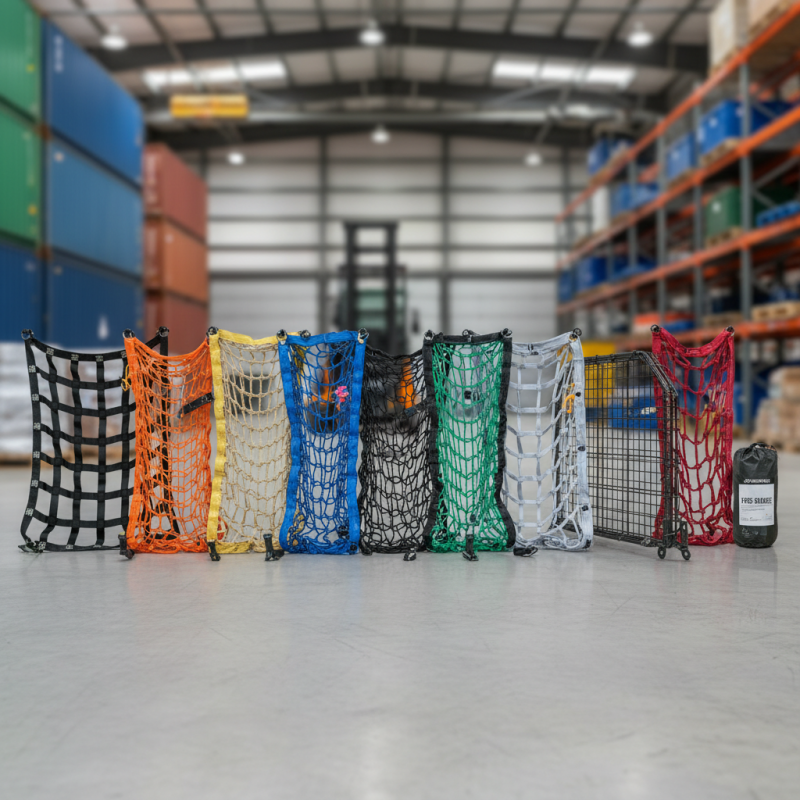
Understanding Cargo Nets and Their Importance in Transport Safety
Cargo nets play a critical role in transport safety. They prevent cargo from shifting during transit, reducing the risk of accidents. A study by the National Institute for Occupational Safety and Health found that proper cargo securement practices can lower injury rates by up to 50%. This underscores the importance of using quality cargo nets.
When selecting a cargo net, consider the weight capacity, material, and mesh size. High-quality nylon or polyester can withstand adverse weather conditions. A poorly chosen net can lead to cargo failure, potentially causing harm. Regular inspections of nets are crucial. Look for signs of wear, fraying, or damage. Disposing of compromised nets promptly can prevent accidents.
Tips: Always ensure your cargo net fits snugly around your load. Use hooks and straps for added security. Remember, not all cargo is the same. Customize your setup according to what you transport. Maintaining safety is everyone's responsibility. Take the time to check your equipment.
Top 10 Best Safety Cargo Nets - Strength vs. Weight Capacity
Key Features to Look for in Quality Safety Cargo Nets
When choosing a safety cargo net, several key features should be on your radar. Look for materials that offer durability and resistance to wear. High-strength polyester and nylon are popular choices. They withstand various weather conditions and are less prone to fraying. The stitching should be robust, as poor stitching can lead to failure during transport.
Another essential feature is the mesh size. A tighter mesh prevents small items from slipping through. This is crucial for hauling loose cargo. Consider the net's weight capacity too. Each net has a specified limit. It is vital to adhere to these limits to prevent accidents.
Tips: Always double-check the net's specifications before purchasing. Look for user reviews to gauge performance in real-world scenarios. Regularly inspect your cargo net for signs of wear. Even minor damage can compromise safety. Investing time in maintenance will pay off in secure transport. Aim for quality over cost; a reliable net is worth the expense.
Top Brands and Models of Cargo Nets for Secure Transport Solutions
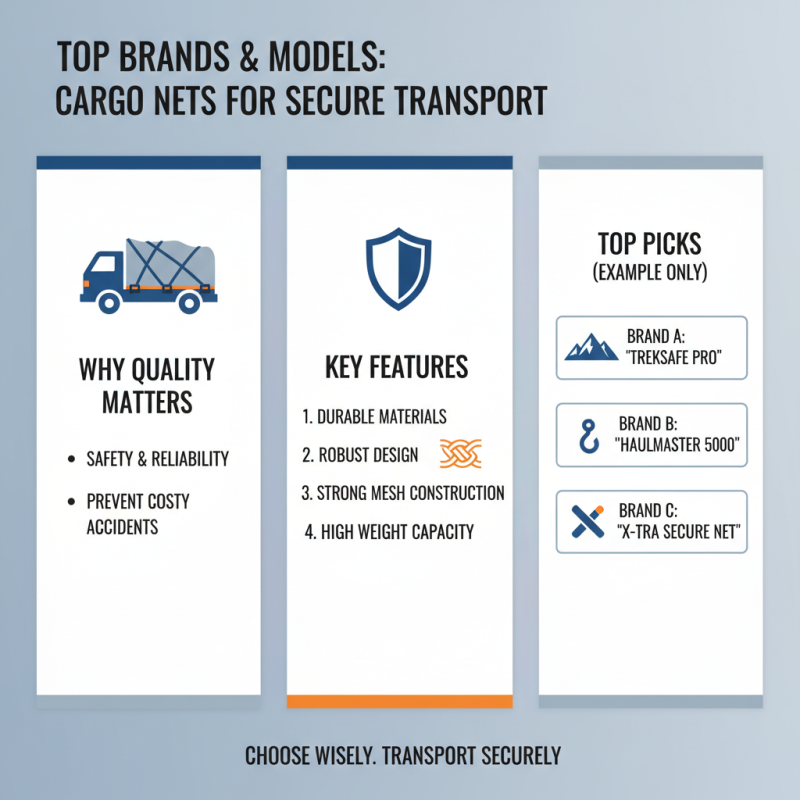
When it comes to cargo nets, safety and reliability are vital. Choosing a quality net can prevent costly accidents during transport. Many options are available, but not all provide the same level of security. It's essential to look for durable materials and robust designs. Strong mesh construction offers better support for heavy loads. Consider the weight capacity when selecting a net to meet your specific needs.
Top brands emphasize user experience. They often incorporate features like adjustable straps and reinforced edges. These details enhance the net's effectiveness during transit. Some users report that they prefer nets with versatile sizes. This flexibility allows for use with different vehicles. However, regular inspection is necessary to ensure the integrity of the cargo net. Over time, wear and tear might compromise safety.
While many cargo nets are designed for long-term use, it's crucial to acknowledge potential flaws. Not every model offers the same reliability. Sometimes, users find certain nets less effective in bad weather. Evaluating user reviews can shed light on actual performance. A thoughtful choice can enhance not only safety but also peace of mind during transport.
Comparison of Materials Used in Cargo Nets: Strength and Durability
When considering cargo nets for secure transport, the choice of material significantly impacts strength and durability. Common materials include nylon, polyester, and polypropylene. Each has its own advantages and drawbacks, influencing your selection process.
Nylon is known for its high strength and elasticity. This makes it excellent for heavy loads, but it can degrade under UV light. Polyester, on the other hand, offers better UV resistance while maintaining strong tensile properties. This makes it popular for outdoor use. Polypropylene is lightweight and cost-effective, yet it may lack the strength needed for heavier applications.
**Tip:** Always assess the specific transport conditions your cargo will face. If your load is exposed to sunlight, opt for polyester or a UV-treated option.
Another important aspect is knot strength and mesh design. A well-designed cargo net can distribute forces evenly, preventing load shifting. Some nets feature reinforced edges for added durability. This detail can make a big difference in high-stress environments.
**Tip:** Inspect your cargo net regularly for signs of wear or damage. A well-maintained net ensures secure transport and avoids potential issues during transit.
Ultimately, balancing these material characteristics with your specific needs leads to safer and more reliable transport solutions. It’s essential to reflect on the variety of workloads and environments your cargo may encounter. Doing so will help you choose the best net for your situation.
Top 10 Best Safety Cargo Nets for Secure Transport Solutions
| Cargo Net Type |
Material |
Weight Capacity |
Durability Rating (1-5) |
Size (ft) |
Stretch Ratio |
| Heavy-Duty Cargo Net |
Polyethylene |
1500 lbs |
5 |
6 x 10 |
1.5:1 |
| Lightweight Cargo Net |
Nylon |
800 lbs |
4 |
4 x 8 |
2:1 |
| Industrial Cargo Net |
Polypropylene |
2000 lbs |
5 |
8 x 12 |
1.75:1 |
| Universal Cargo Net |
Elastic |
1000 lbs |
4 |
5 x 10 |
2.5:1 |
| Compact Cargo Net |
Polyester |
600 lbs |
4 |
4 x 6 |
2:1 |
| Custom Heavy Net |
Nylon |
1800 lbs |
5 |
7 x 10 |
2:1 |
| Bungee Cargo Net |
Elastic |
900 lbs |
4 |
5 x 8 |
3:1 |
| Cargo Net for Trucks |
Polyethylene |
1600 lbs |
5 |
8 x 10 |
1.5:1 |
| Utility Cargo Net |
Polypropylene |
1200 lbs |
4 |
6 x 10 |
2:1 |
| Adventure Cargo Net |
Nylon |
1100 lbs |
5 |
5 x 7 |
2:1 |
Tips for Proper Installation and Use of Cargo Nets in Transportation
When using cargo nets for transportation, proper installation is crucial. Ensure the net is the correct size for your load. A net that is too small may not cover your cargo effectively, while an oversized net can lead to unsecured loads. Always inspect the net for wear and tear. Frayed edges or broken straps can compromise safety. Take the time to replace any damaged sections before use.
Proper tying methods can make all the difference. Use sturdy knots and secure attachment points. It's important the net is tightly fastened to prevent movement during transport. Make sure to spread the cargo evenly across the surface of the net. This balance helps in distributing weight. While it may be tempting to load quickly, rushing can lead to mistakes.
Consider environmental factors too. Wind, rain, or rough roads can affect the stability of your load. If traveling long distances, periodically check the net during stops. Regular adjustments may be necessary. Reflecting on these aspects ensures a safer transport experience. Remember, even experienced operators can overlook basic steps. Prioritizing attention to detail can lead to improved safety and security.