How to Use Cargo Load Bar for Safe and Efficient Transport?
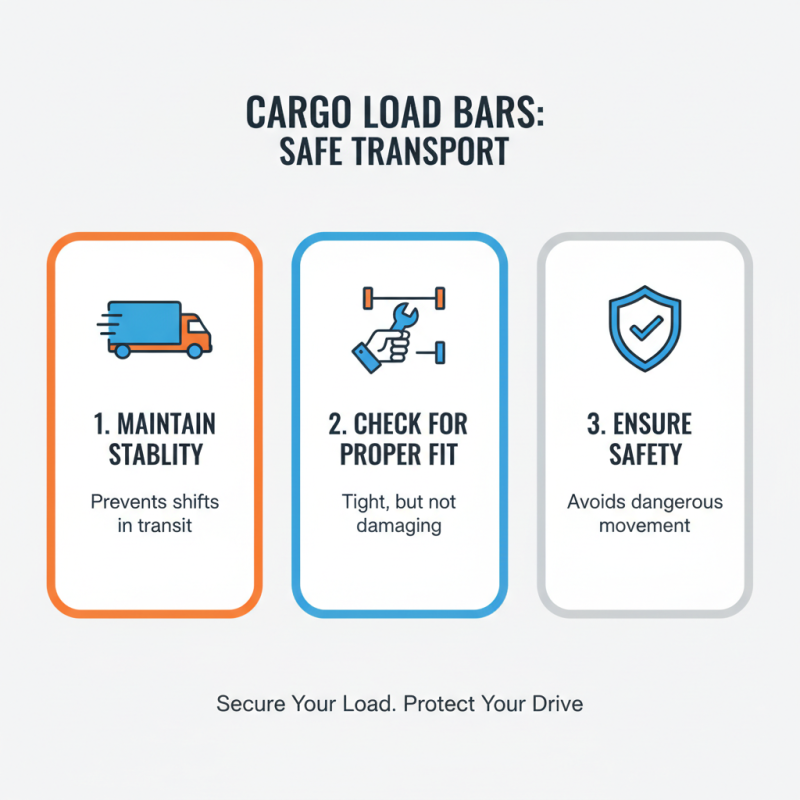
Transporting goods safely and efficiently is paramount in logistics. One essential tool for achieving this is the Cargo Load Bar. It provides stability and prevents shifting during transit. This simple yet effective device supports various cargo types, enhancing safety on the road.
When using a Cargo Load Bar, it’s crucial to ensure proper placement. Inadequate positioning can lead to accidents and damage. Always check that the load is evenly distributed. Sometimes, users overlook these details, but they matter significantly. Proper use can make a difference between a secure journey and a risky one.
Remember, not every cargo is the same. Different shapes and sizes require unique approaches. Being aware of these factors can improve your transport strategy. Experiment with different setups to find what works best. However, mistakes can happen. Reflecting on past experiences can help refine your methods for future transport.
Understanding the Purpose of Cargo Load Bars in Transport
Cargo load bars play an essential role in transporting goods safely. They are designed to secure load within a vehicle, preventing it from shifting during transit. This simple yet effective tool can significantly reduce the risk of damage and accidents. Using them properly can enhance the stability of your cargo, which is crucial for safe transport. Improper use, however, can lead to serious issues.
When installing cargo load bars, ensure they fit snugly against the load. They should not be too tight or too loose. A tight fit helps maintain load integrity, while a loose fit may allow items to shift. Sometimes, people underestimate the importance of this adjustment. Neglecting even small details can lead to costly damage.
Understanding the weight distribution of your cargo is vital. Placing heavier items on the bottom can help balance the load. This reduces the risk of tipping. However, many overlook this aspect and face consequences. Reflecting on past experiences can guide better decisions in the future. Overall, using cargo load bars wisely is crucial for maintaining safety and efficiency in transportation.
Choosing the Right Cargo Load Bar for Your Needs
Choosing the right cargo load bar is essential for safe and efficient transport. Consider the weight capacity you need. Some bars can support thousands of pounds. This means you could carry heavier loads or multiple items at once. However, always check the specifications. If you overload the bar, it could fail during transport.
Material is another key factor. Aluminum load bars are lightweight and easy to handle. Steel bars, on the other hand, provide durability and strength for heavy loads. Consider where and how you will use the bar. Add some padding to prevent scratches on your cargo. Sometimes, people overlook this detail, leading to damage.
Think about adjustability as well. A fixed bar might not fit every load, while adjustable models offer versatility. Ensure the fit is secure, as loose bars can shift during transport. You might need to experiment with different setups. Sometimes, this trial and error process can lead to unexpected challenges. Being flexible helps in finding the right combination for your needs.
Proper Installation Techniques for Cargo Load Bars
Proper installation of cargo load bars is crucial for ensuring secure transport. These load bars prevent movement, protecting both cargo and vehicle integrity. According to industry reports, nearly 30% of accidents during transport are due to improperly secured loads. Thus, knowing how to install cargo load bars correctly can significantly enhance safety.
Start by measuring the width of your container or vehicle. Adjust the load bars to fit snugly. They should be positioned evenly to distribute weight. Use the locking mechanism to secure them in place. Ensure that they are tight but not over-compressed, as this could damage cargo.
Tips: Always check the load bars before departure. Devise a checklist to confirm tightness and stability. Consider adding extra cushioning between bars and cargo to minimize impact during transit. Simple things, like proper placement, make a big difference. Remember, overlooking such details can lead to damaged goods or worse.
While installation seems straightforward, it requires attention. Many overlook the importance of double-checking. Rushing through the process may invite risks. Regular training sessions can foster a culture of safety. Ultimately, investing time in proper installation pays off.
Cargo Load Bar Efficiency and Impact on Safety
The chart above illustrates the reduction in incidents per month associated with the installation of cargo load bars. Before installation, there were 15 incidents on average each month, which decreased to just 5 after proper installation of the cargo load bars, demonstrating their effectiveness in enhancing safety during transport.
Maintaining and Inspecting Your Cargo Load Bars for Safety
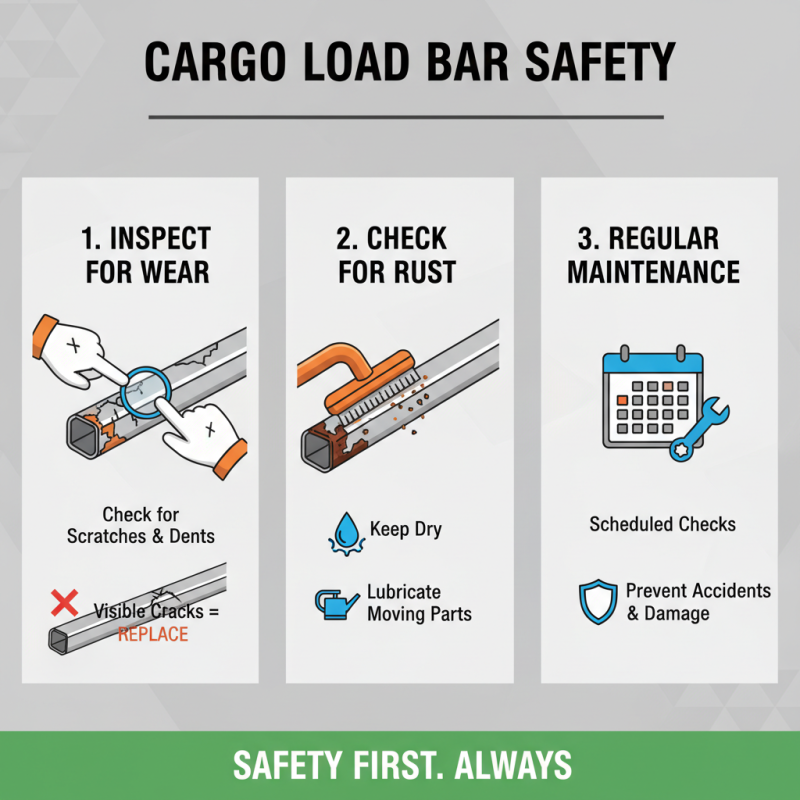
Maintaining and inspecting your cargo load bars is essential for safety during transport. Regular checks can prevent accidents and damage. Start by examining the bars for any signs of wear or rust. Small scratches can gradually weaken the bars. A visible crack is a clear sign you should replace it.
Tips for inspection: Check the locking mechanism, too. It should engage smoothly. If it jams, it may need lubrication or replacement. Look at the grip. Worn grips can cause slippage, leading to unsafe conditions.
Ensure your cargo load bars are securely installed. Loose bars can shift during transit. This can lead to imbalance and potential accidents. Tighten the bars to manufacturer specifications. Over-tightening can cause a different form of damage, so balance is key. Restoration efforts can save money and enhance safety. Remember, ignoring minor issues can lead to more significant problems down the line.