Why Choose Anti Slip Tray Liner for Safe Serving?
When serving food and drinks, safety is crucial. An Anti Slip Tray Liner offers a reliable solution. It provides a stable surface to prevent spills and accidents. Imagine a busy restaurant where trays are in constant motion. One slip could lead to a disaster. With an Anti Slip Tray Liner, trays grip securely, reducing the risk of falls.
Using these liners also enhances presentation. A well-organized tray impresses guests. Vibrant colors and textured surfaces elevate the dining experience. However, not all tray liners are created equal. Some may not grip as expected. It’s essential to choose high-quality products. Look for durability and cleanliness to ensure safe servings.
Moreover, consider environmental impacts. Some liners are disposable, leading to waste. Exploring reusable options can be beneficial. Reflecting on our choices is vital. Safety and sustainability should go hand in hand. When you choose an Anti Slip Tray Liner, you prioritize safety and responsibility in serving.
The Importance of Safety in Food Service Environments
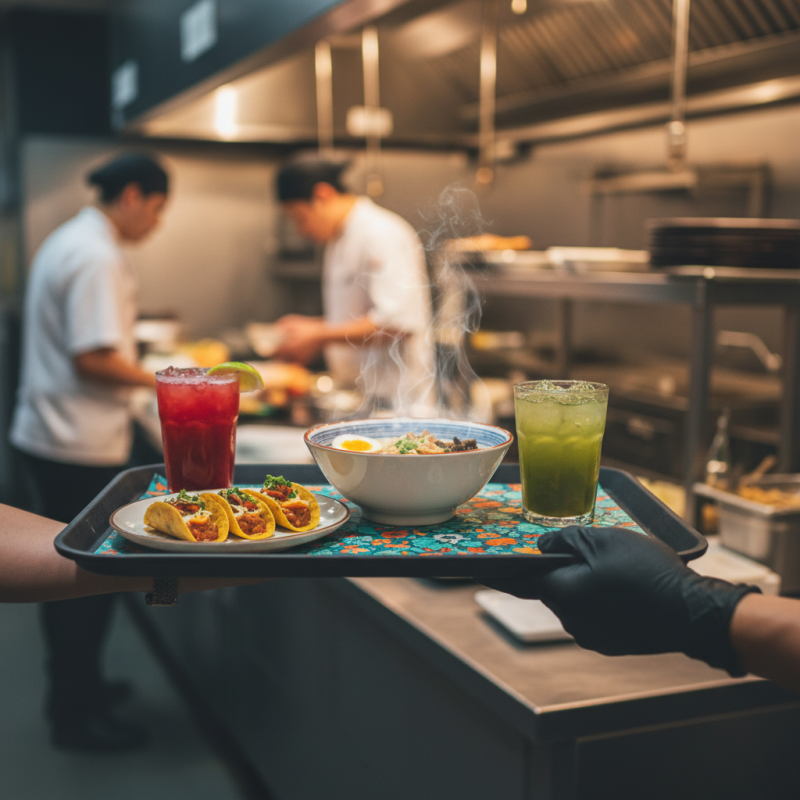
In food service environments, safety is paramount. Accidents can happen quickly and unexpectedly. A slip or spill can cause severe injuries. Anti slip tray liners play a critical role in preventing such incidents. They provide a strong grip for dishes and minimize the risk of slips. The textured surface can significantly reduce accidents during busy service times.
Moreover, these liners are easy to clean and replace. Their durability helps maintain a safe environment, reducing the likelihood of food contamination. It's essential to choose the right materials that ensure efficiency and safety. Many establishments overlook this detail, which can lead to avoidable incidents. A simple change, such as adding anti slip tray liners, can make a significant difference.
While these liners are effective, they aren't foolproof. Regular inspections are necessary to ensure they remain in good condition. Managers must proactively address any wear and tear. Neglecting this aspect can lead to complacency among staff. They may become less cautious over time. Prioritizing safety should always be the focus in food service.
Why Choose Anti Slip Tray Liner for Safe Serving?
This chart illustrates the importance of using anti-slip tray liners in various food service environments by comparing the accident rates in spaces where these liners are used versus where they are not. Safe serving is crucial to minimize slip hazards, ensuring both employee safety and customer satisfaction.
Understanding the Risks of Slips and Falls in Commercial Kitchens
In commercial kitchens, slips and falls are common hazards. Wet floors, spilled food, and grease can create dangerous conditions. Even a small slip can lead to serious injuries. Chefs and staff need to move quickly, but safety must come first. An effective way to mitigate these risks is by using anti-slip tray liners.
These liners provide added grip. They can prevent dishes from sliding around while being transported. Imagine a busy kitchen where a tray full of hot food has been spilled. The chaos that ensues is overwhelming. By using anti-slip liners, kitchens can reduce the chances of accidents. Not every kitchen currently uses these simple tools. This oversight can lead to injuries that impact staff morale and kitchen efficiency.
The need for awareness and reflection is vital. Are we doing enough to ensure safety? Training staff about hazards is essential. Regular inspections can help identify potential risks. Anti-slip tray liners should be part of the safety conversation. A small investment can lead to a significant reduction in risk. The kitchen environment should be focused on productivity and safety, not on avoidable accidents.
Why Choose Anti Slip Tray Liner for Safe Serving?
| Risk Factor |
Description |
Effectiveness of Anti-Slip Tray Liner |
| Wet Surfaces |
Spills from food and drinks can create slippery conditions. |
High - Provides a textured surface that enhances grip. |
| Grease Accumulation |
Oily residues can lead to falls if not managed properly. |
Moderate - Helps by preventing items from sliding, but requires regular cleaning. |
| Footwear Quality |
Poor traction from footwear can increase risk of slips. |
Moderate - Reduces the risk if items are stable on the tray. |
| High Foot Traffic |
Crowded areas can lead to accidents. |
High - Helps in maintaining control over items during busy service. |
| Inexperience of Staff |
New staff may not be fully aware of slip risks. |
High - Provides additional safety assurance for less experienced personnel. |
Key Features of Anti-Slip Tray Liners for Improved Gripping
Choosing an anti-slip tray liner is crucial for safe serving. These liners provide enhanced gripping, which can prevent accidents. A well-designed anti-slip surface can hold items securely in place. This is especially important in busy settings, such as restaurants or events. With a strong grip, the risk of spills and drops significantly decreases.
Anti-slip tray liners often feature textured surfaces. These textures create friction, which stabilizes the items on them. They come in various materials, including rubber and silicone. Some liners are even washable, making them reusable and eco-friendly. Additionally, these liners are easy to cut to size, ensuring a perfect fit for any tray.
It's essential to recognize that not all anti-slip liners perform equally. Some may wear out quickly or lose their grip after washing. Customers should always check for reviews or recommendations. Choosing the right product can prevent unnecessary accidents and make serving smoother. The right anti-slip tray liner is not just a choice; it's a step toward safety and efficiency in serving.
Industry Standards and Regulations for Non-Slip Surface Materials
When it comes to serving food safely, non-slip surface materials are crucial. Industry standards emphasize the importance of using reliable materials. These materials prevent trays from sliding off surfaces, reducing accidents. In busy environments, even minor slips can lead to spills and injuries. The right anti-slip tray liner minimizes these risks, ensuring safety.
Specific regulations guide the selection of non-slip materials. For example, some guidelines specify the texture and thickness of the liners. They must withstand various conditions, such as moisture and temperature changes. Often, products must pass rigorous testing to meet safety standards. While many options are available, not all adhere to these guidelines. Some might look appealing but fail to provide adequate grip.
Selecting the right liner requires careful consideration. Not every material will perform as expected in real-world settings. Observing how different liners behave under pressure is essential. For instance, a liner that feels sturdy may still allow trays to slip in crowded areas. Always reflect on the specific needs of your environment. Prioritizing safety over aesthetics can enhance the overall serving experience.
Comparative Analysis: Anti-Slip Tray Liners vs. Traditional Tray Liners
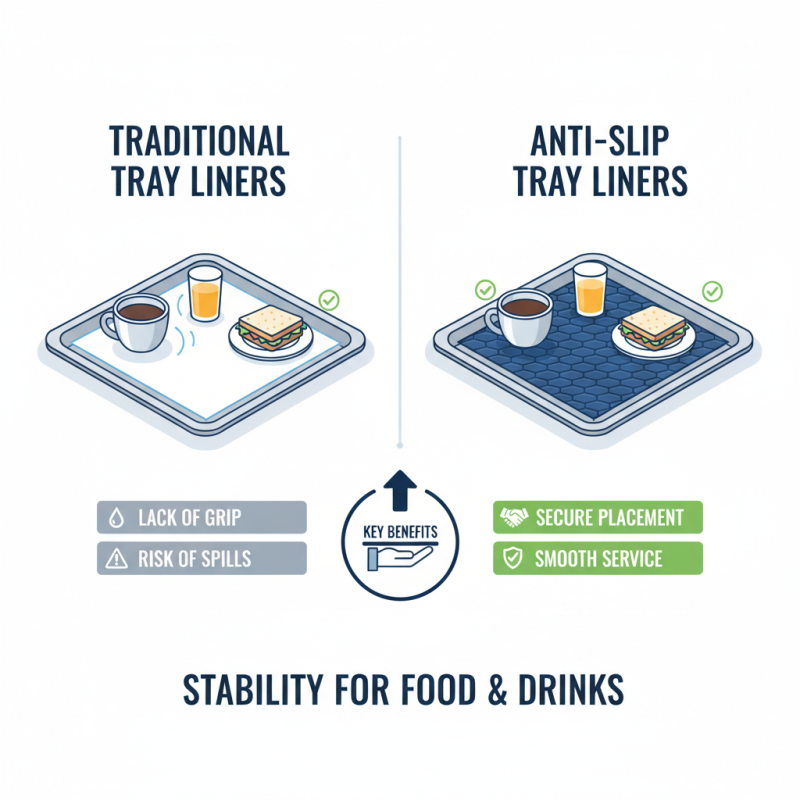
When it comes to serving food and drinks, stability is key. Traditional tray liners often lack the grip needed to prevent slipping. A small spill can lead to a larger mess, affecting both the food and the service experience. Anti-slip tray liners have a textured surface that keeps items securely in place. This added traction makes a noticeable difference during busy service times.
In comparison, traditional liners are often smooth and can contribute to accidents. Imagine balancing a tray with drinks wobbling precariously. The fear of spilling can distract staff from delivering excellent service. Using anti-slip liners reduces that anxiety. They provide peace of mind for servers and customers alike. The durability of these liners also plays a role. They resist wear and tear better than traditional options.
However, it's important to choose wisely. Not all anti-slip liners are created equal. Some may not adhere well to tray surfaces. Reflecting on the materials used can lead to a more informed choice. While the benefits are clear, the right solution for each serving environment must be considered carefully. Finding the perfect balance between function and practicality is essential.