Why Choose Hdpe Geomembrane for Your Environmental Protection Needs
As environmental protection increasingly becomes a priority for industries worldwide, the choice of materials used in containment solutions is critical. One of the leading choices for effective barrier systems is HDPE geomembrane, known for its durability, chemical resistance, and versatility. According to a report by the Global Geosynthetics Market, the demand for HDPE geomembrane is projected to grow significantly, reaching USD 3.5 billion by 2026, driven by its extensive applications in waste management, water containment, and mining sectors.
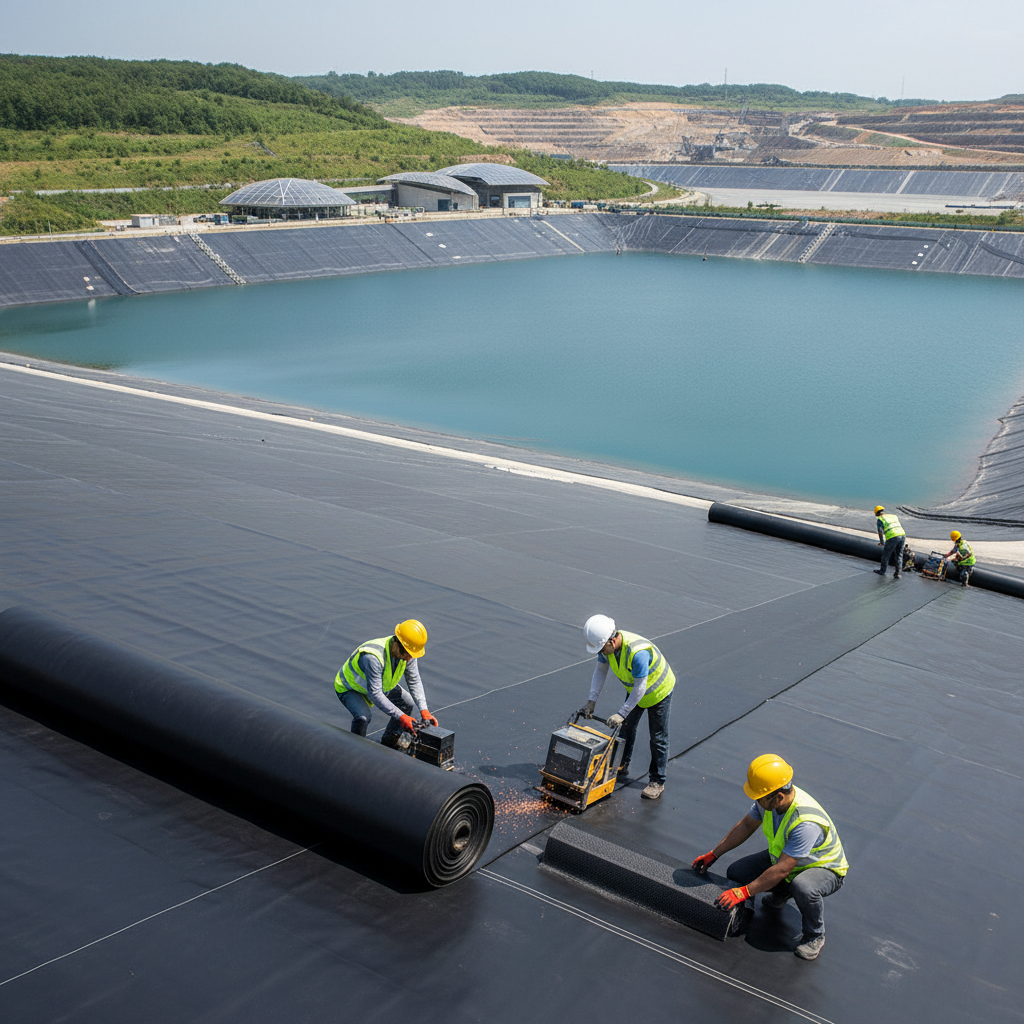
Dr. Johnathan Lee, a renowned expert in geosynthetic materials, states, "The effectiveness of HDPE geomembrane in environmental protection cannot be overstated; its resilience and reliability mean that it plays a crucial role in preventing soil and water contamination." This illustrates not only the material's importance but also the growing recognition of its role in sustainable practices across various industries. As sectors continue to innovate towards greener solutions, choosing HDPE geomembrane stands out as a vital step in safeguarding our environment for future generations.
Benefits of HDPE Geomembrane in Waste Management and Landfill Liners
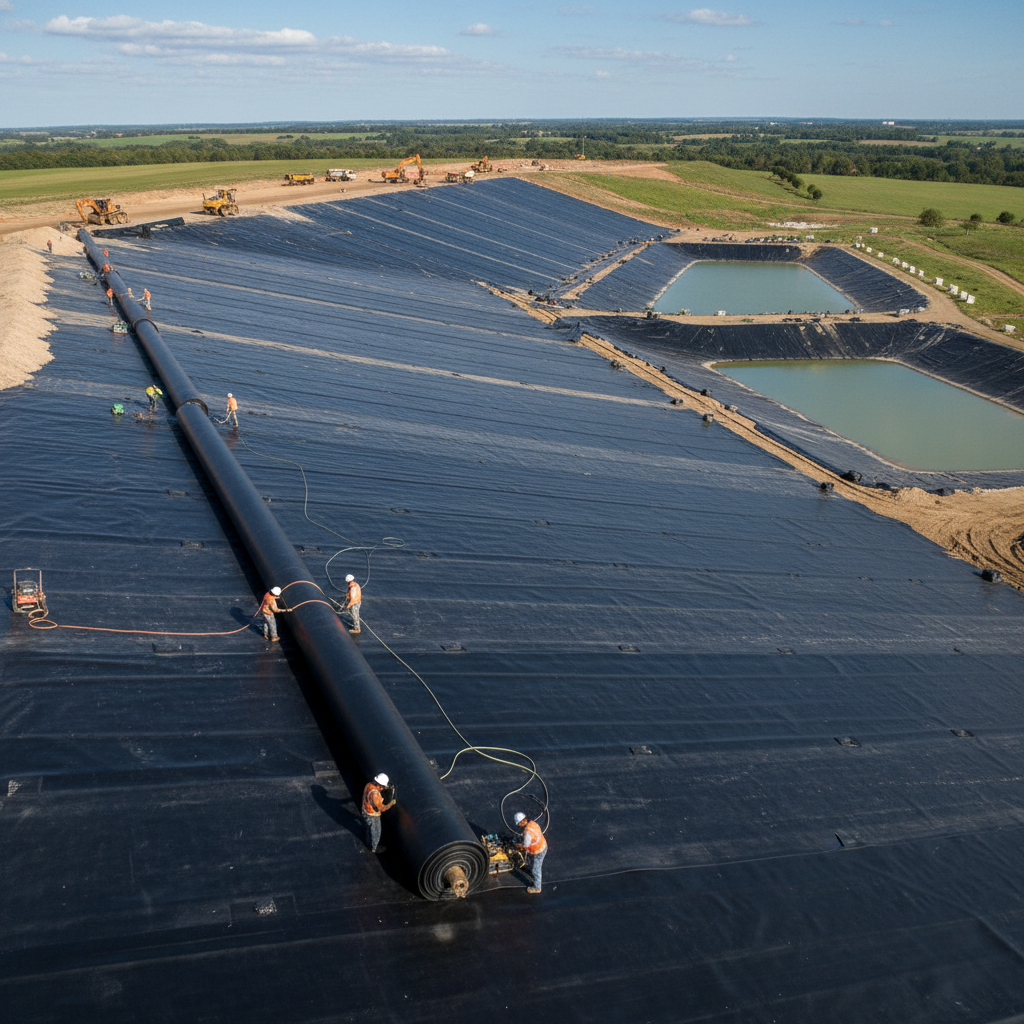
HDPE geomembranes have emerged as a vital solution in waste management and landfill operations, thanks to their superior impermeability and durability. One of the primary benefits of HDPE geomembranes is their ability to effectively contain hazardous materials, preventing leachate from contaminating the surrounding environment. This is crucial for maintaining the integrity of landfill systems and adhering to environmental regulations. Additionally, their UV resistance and mechanical strength ensure longevity, making them a cost-effective investment for long-term waste containment.
**Tip:** When selecting an HDPE geomembrane for your project, ensure that it meets the specific requirements for tensile strength and puncture resistance. Choosing the right thickness can also enhance the longevity and performance of the barrier.
Another significant advantage of HDPE geomembranes is their ease of installation and maintenance. Compared to traditional lining materials, HDPE is lighter and more flexible, which simplifies the installation process. Furthermore, these geomembranes can be easily repaired if damaged, minimizing downtime and maintaining the functionality of the landfill site. By utilizing HDPE geomembranes, operators can not only ensure compliance with environmental standards but also enhance the overall efficiency of waste management practices.
**Tip:** Regular inspections of the geomembrane can help identify potential issues early, ensuring that any necessary repairs are made promptly to maintain the integrity of the landfill liner.
Durability and Longevity: How HDPE Geomembrane Stands the Test of Time
When it comes to environmental protection, the durability and longevity of materials play crucial roles, making HDPE geomembrane a top choice among professionals. High-Density Polyethylene (HDPE) geomembranes are engineered to withstand harsh environmental conditions, providing reliable barriers for containment systems in diverse applications such as landfills, mining, and water management. According to a report by the Geosynthetic Research Institute, HDPE geomembranes can have service lives exceeding 30 years under optimal conditions, significantly reducing the need for frequent replacements.
One of the key reasons for the material's enduring performance is its resistance to UV radiation and chemicals, which can deteriorate lesser materials over time. Industry studies have shown that HDPE geomembranes maintain their physical properties and structural integrity even when exposed to extreme temperatures and environmental stressors. This resilience makes them not only a sustainable option but also a cost-effective solution for long-term projects.
**Tips:** When selecting HDPE geomembranes, consider factors such as material thickness and manufacturing standards to ensure the best performance. Additionally, proper installation and regular maintenance can enhance the lifespan of your geomembrane system, maximizing your investment in environmental protection.
Cost-Effectiveness: Analyzing Long-Term Savings with HDPE Applications
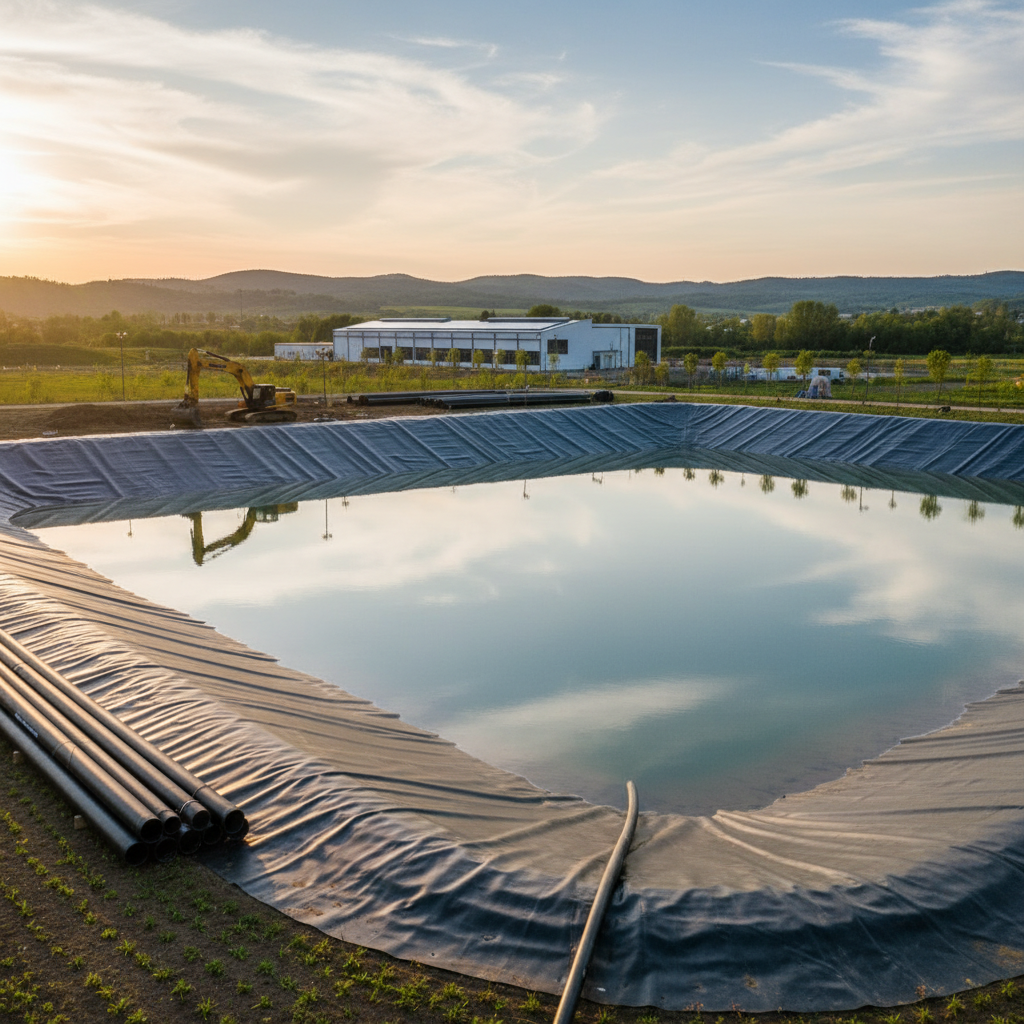
When considering the environmental protection needs, HDPE geomembranes stand out as a cost-effective solution. By investing in HDPE applications, businesses can realize significant long-term savings. The HDPE pipes market, projected to reach USD 25.68 billion by 2029, demonstrates strong demand for durable and cost-efficient materials, which are critical for sustainable environmental practices.
Cost-effectiveness not only stems from the initial lower investment but also from reduced maintenance and lifespan longevity, making it an attractive option for various applications.
Tip: Consider the operational lifespan of materials when assessing cost-effectiveness. HDPE products typically outperform other materials in durability, which can translate into substantial savings over time.
Moreover, the geopipes market, with an estimated value of USD 2.21 billion in 2024 and expected growth at a CAGR of 9.6% up to 2030, illustrates a growing trend toward eco-friendly materials that offer both performance and economic benefits. The integration of recycled plastics into green building materials, projected to hit USD 12.24 billion by 2034, further underscores the shift towards sustainable practices that not only protect the environment but also deliver financial advantages.
Tip: Emphasize sustainability in procurement strategies; sourcing HDPE and other eco-friendly materials can lead to both environmental benefits and favorable financial outcomes.
Environmental Compliance: Meeting Regulation Standards with HDPE Solutions
High-density polyethylene (HDPE) geomembranes have become a vital component in environmental protection, particularly when it comes to achieving regulatory compliance. These robust liners are specifically designed to create effective barriers against contaminants, preventing leachate from hazardous waste sites from penetrating the groundwater. By utilizing HDPE solutions, organizations not only adhere to environmental regulations but also ensure the sustainability of natural resources.
In addition to their impermeability, HDPE geomembranes are celebrated for their durability and chemical resistance, making them suitable for a variety of applications, including landfill liners, agricultural operations, and water treatment facilities. Meeting compliance standards is not just about avoiding penalties; it fosters trust and demonstrates a commitment to environmental stewardship. By choosing HDPE geomembranes, businesses position themselves as responsible leaders in ecological preservation while effectively managing their environmental impact.
Versatility Across Industries: HDPE Geomembrane Applications Beyond Environmental Protection
HDPE geomembranes are renowned for their versatility across various industries, extending their utility beyond just environmental protection. In construction, for example, they serve as effective barriers to prevent water infiltration, ensuring the structural integrity of foundations and retaining walls. Their robustness and resistance to chemicals make them ideal for applications in landfills, where they can contain hazardous waste and prevent leachate from contaminating groundwater.
In the agricultural sector, HDPE geomembranes play a vital role in farm ponds and aquaculture systems. They provide a reliable lining solution that reduces water loss through evaporation and seepage, enhancing water conservation efforts. Furthermore, in mining operations, these geomembranes are utilized to create containment systems for tailings and to facilitate efficient water management, showcasing their adaptability in handling diverse environmental challenges. The multitude of applications highlights the significant advantages of HDPE geomembranes, reinforcing their essential role in promoting sustainability across different fields.
Why Choose Hdpe Geomembrane for Your Environmental Protection Needs
| Application Area |
Description |
Benefits |
| Landfill Liners |
Used to prevent contaminant leachate from polluting groundwater. |
Durability and chemical resistance. |
| Agricultural Applications |
Used in ponds and irrigation systems to maintain water quality. |
Maximizes water retention and reduces evaporation. |
| Mining Projects |
Used for waste containment and protection of water resources. |
Helps to contain hazardous materials effectively. |
| Water Conservation |
Lining for reservoirs and retention basins. |
Prevents leaks and conserves water supply. |
| Construction Projects |
Used in underdrains and as water barriers. |
Enhances site drainage and stability. |