Why Choose Kraft Slip Sheets for Efficient Shipping Solutions?
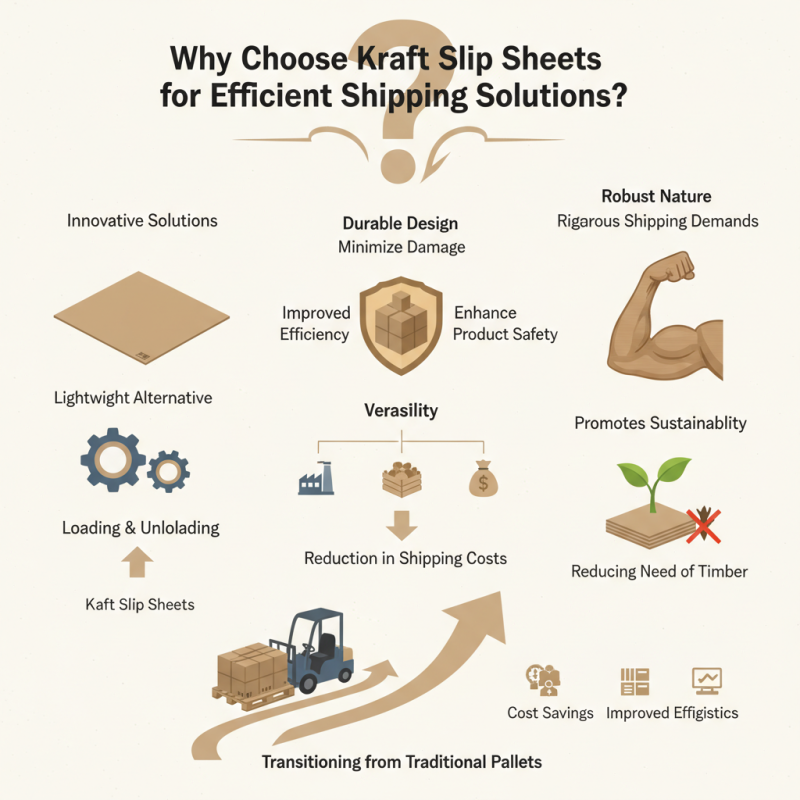
Kraft Slip Sheets offer innovative solutions for modern shipping challenges. These lightweight alternatives to wooden pallets improve efficiency in loading and unloading. With their durable design, Kraft Slip Sheets minimize damage and enhance product safety.
Their versatility makes them suitable for various industries. Many companies have seen a reduction in shipping costs by using Kraft Slip Sheets. A common misconception is that they lack strength. In reality, their robust nature fulfills rigorous shipping demands. This innovation promotes sustainability, reducing the need for timber.
Embracing Kraft Slip Sheets may require adjustments in your operations. Transitioning from traditional pallets can be daunting. However, the potential benefits are significant. Investing in these sheets could lead to cost savings and improved logistics. Such choices reflect a commitment to efficiency and innovation in shipping practices.
Benefits of Using Kraft Slip Sheets in Shipping
Kraft slip sheets are gaining popularity for efficient shipping solutions. These flexible sheets are an alternative to traditional pallets, minimizing weight and maximizing space. Their lightweight design reduces shipping costs considerably. With sustainable materials, they offer an eco-friendly option for businesses looking to decrease their carbon footprint.
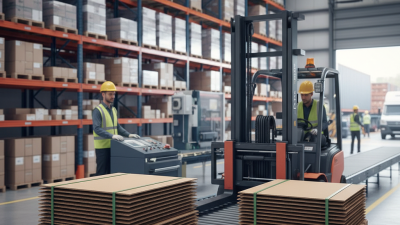
Using Kraft slip sheets can simplify handling and transport. The sheets fit easily into pallet jacks and forklifts, streamlining loading processes. This can lead to faster turnaround times in warehouses. However, improper use can damage goods. It's crucial to train staff on their correct application.
Another aspect to consider is durability. While Kraft sheets are strong, rigorous testing is essential to ensure they withstand the rigors of shipping. Damage during transit can negate their benefits. Choosing high-quality slip sheets can enhance reliability. Ultimately, the decision should balance cost savings with product safety.
Comparison of Kraft Slip Sheets to Traditional Pallets
When comparing Kraft slip sheets to traditional pallets, several factors highlight their advantages.
Kraft slip sheets are thinner, usually measuring just 1/8 inch, which allows for space-saving in shipping and storage.
In contrast, traditional pallets take up more room, contributing to higher transportation costs.
Industry reports indicate that using slip sheets can reduce shipping costs by up to 20%.
Kraft slip sheets are also lighter than pallets, typically weighing about 2.5 to 3 pounds each.
This weight reduction can lead to significant savings on fuel costs during transportation.
In a world where freight charges escalate, using lightweight materials is a smart choice.
Metrics show that every pound saved can lower shipping costs by approximately 5%.
Tip:
When considering shipping solutions, assess the volume of your products. This can help optimize the balance between weight, space, and cost.
Moreover, the sustainability aspect cannot be overlooked. Kraft slip sheets are made from recycled materials, allowing for reduced environmental impact.
While they may not offer the same robustness as traditional pallets in some cases, their efficiency in various shipping scenarios often compensates for that difference.
Tip:
Regularly review your shipping strategies to gauge if slip sheets can provide better efficiency over pallets for your specific needs.
Cost-Effectiveness of Kraft Slip Sheets in Logistics
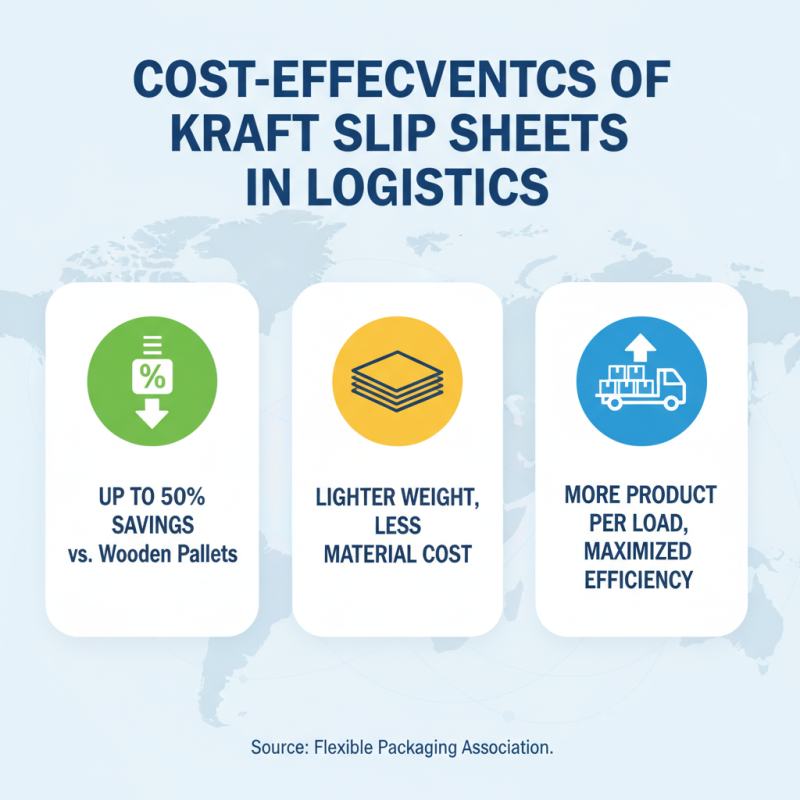
Kraft slip sheets have become a preferred choice in logistics due to their cost-effectiveness. According to the Flexible Packaging Association, using slip sheets can reduce shipping costs by up to 50% compared to traditional pallets. This significant saving arises from their lighter weight and reduced material costs. Businesses can ship more products per load, maximizing transport efficiency.
Moreover, slip sheets require less storage space. This feature can lead to savings in warehousing costs. The total footprint of slip sheets is notably smaller, allowing for more efficient space utilization. Recent studies indicate that a modern warehouse can store up to 30% more products when using slip sheets instead of conventional pallets.
Yet, the shift to slip sheets is not without challenges. Some workers may find them difficult to handle, requiring a learning curve. Training is essential for effective use. Additionally, the compatibility with existing machinery should be evaluated before implementation. Addressing these issues is crucial to fully harness the benefits of Kraft slip sheets in a supply chain.
Environmental Impact of Kraft Slip Sheets in Shipping
Kraft slip sheets present an eco-friendly alternative to traditional shipping solutions. Made from recyclable materials, these sheets reduce waste significantly. Their lightweight design can lead to lower transportation costs. When compared to wooden pallets, kraft slip sheets require less energy to produce. This not only minimizes the carbon footprint during manufacturing but also reduces the resources needed for transport.
However, using kraft slip sheets is not without challenges. Some companies may find transitioning from pallets difficult due to existing practices. Training staff to handle slip sheets effectively can take time and resources. Additionally, while slip sheets are durable, they may not be suited for all cargo types. Proper evaluation of the goods being shipped is necessary to avoid damage.
Implementing kraft slip sheets demands careful consideration. The shift can lead to substantial savings and environmental benefits. Yet, companies must reflect on their current systems and be open to change. This can empower businesses to adopt more sustainable practices, ultimately benefiting both the environment and their bottom line.
Why Choose Kraft Slip Sheets for Efficient Shipping Solutions? - Environmental Impact of Kraft Slip Sheets in Shipping
| Feature |
Kraft Slip Sheets |
Traditional Pallets |
| Weight |
2-3 lbs |
30-50 lbs |
| Material |
100% Recyclable Kraft Paper |
Wood or Plastic |
| Space Efficiency |
High (more slip sheets can fit in a truck) |
Low (bulky) |
| Environmental Impact |
Lower carbon footprint, biodegradable |
Higher carbon footprint, longer degradation time |
| Cost-Effectiveness |
More cost-effective in the long run |
Higher upfront costs |
| Usage Life |
Single-use or recyclable |
Multiple uses, but can degrade |
Best Practices for Implementing Kraft Slip Sheets in Warehousing
Implementing Kraft slip sheets in warehousing can significantly enhance operational efficiency. A report from the Material Handling Industry (MHI) indicates that using slip sheets can reduce shipping costs by up to 20%. This is largely due to their lightweight nature compared to traditional pallets. Many companies are unaware of the impact that small changes can bring. Weight savings lead to lower transportation expenses.
When integrating slip sheets, training staff is crucial. Ensuring employees understand the handling procedures is essential for safety and efficiency. A 2023 survey found that organizations that invested in training reported a 30% increase in productivity. Understanding the correct usage of slip sheets can help prevent potential mishaps during loading and unloading.
Also, consider the environment. Kraft materials are recyclable, often leading to better sustainability ratings for companies. Yet, there are challenges to address. Some workers may find slip sheets less familiar than pallets. This adjustment may require time and effort. Companies should keep track of adaptation rates to gauge overall effectiveness.
Why Choose Kraft Slip Sheets for Efficient Shipping Solutions?