Why Choose Pp Dunnage Bags for Effective Cargo Protection and Cost Savings?
In the logistics and shipping industry, protecting cargo from damage during transit is paramount to ensuring cost efficiency and maintaining product integrity. One of the most effective solutions that has gained traction is the use of PP Dunnage Bags. Industry expert John Smith, a veteran in cargo security solutions, emphasizes, "The right dunnage can make all the difference, preventing losses and enhancing overall supply chain efficiency."
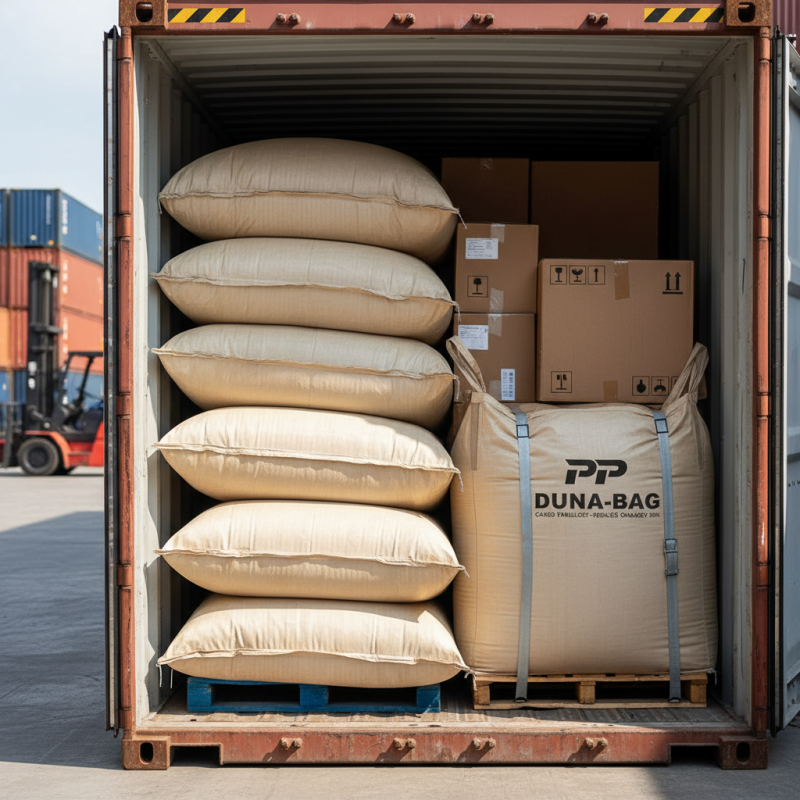
PP Dunnage Bags provide a versatile and reliable method to secure cargo, minimizing movement and preventing damage from shifting loads. Their lightweight and strong construction not only ensures durability but also contributes to significant cost savings on shipping by reducing the weight compared to traditional dunnage methods.
As businesses increasingly seek innovative ways to protect their valuable shipments, understanding the benefits of PP Dunnage Bags is essential for logistics professionals. This article will delve into the myriad advantages these bags offer, illustrating how they can transform cargo protection strategies while simultaneously bolstering the bottom line.

Understanding Pp Dunnage Bags: Definition and Purpose
PP dunnage bags are an increasingly popular solution in the logistics and transportation sectors, primarily due to their ability to provide effective cargo protection. These inflatable bags are designed to fill voids in shipping containers and truck loads, preventing shifting during transit. According to a 2021 report by the Packaging Machinery Manufacturers Institute, proper load securing techniques can reduce cargo damage incidents by up to 40%. This statistic highlights the critical role of dunnage bags in enhancing the safety and integrity of transported goods.
The purpose of PP dunnage bags extends beyond simply providing protection; they also contribute significantly to cost savings. By ensuring that cargo remains stable, these bags help to minimize losses associated with damage and spoilage during transportation. A study conducted by the Freight Transportation Research Board estimated that the use of dunnage solutions like PP bags can save companies up to 15% of their shipping costs over time. This is particularly crucial in a competitive market where minimizing operational expenses can lead to greater profitability. Thus, understanding the definition and purpose of PP dunnage bags is essential for businesses looking to optimize their shipping processes and protect their investments effectively.
Why Choose Pp Dunnage Bags for Effective Cargo Protection and Cost Savings?
Pp Dunnage Bags provide significant benefits in various aspects including cost savings, effective cargo protection, and high usage frequency in shipping and logistics sectors. The chart above illustrates the percentage of cost savings, the protection level, and how frequently these bags are utilized.
Key Benefits of Using Pp Dunnage Bags for Cargo Protection
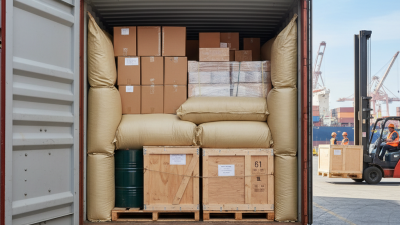
PP Dunnage Bags are increasingly becoming a preferred choice for effective cargo protection, primarily due to their lightweight and durable characteristics. These bags are designed to fill empty spaces in shipping containers, thereby preventing cargo movement during transit. The primary benefit of using PP Dunnage Bags is the reduction of cargo damage, which can lead to significant cost savings. By securely stabilizing products, they reduce the incidence of breakage and damage, thereby protecting your investment and maintaining customer satisfaction.
Additionally, PP Dunnage Bags are versatile and can adapt to various cargo shapes and sizes, making them ideal for different types of shipments. Their inflation system allows for quick and easy setup, further streamlining the packing process. The use of these bags can also lead to reduced freight costs, as properly secured cargo requires less additional packaging material and minimizes wasted space in containers.
Tips: When using PP Dunnage Bags, ensure they are inflated to the appropriate pressure to achieve maximum stability. Regularly inspect the bags for any wear or damage before use, as this can affect their performance. Finally, consider utilizing bags that are compatible with your specific cargo needs to enhance protection and efficiency further.
Cost-Effectiveness of Pp Dunnage Bags in Shipping and Logistics
When it comes to shipping and logistics, cost-effectiveness is a crucial factor for businesses looking to optimize their operations. PP Dunnage Bags have emerged as a reliable solution for protecting cargo while maximizing savings. These bags are designed to fill voids in shipping containers and provide stability during transit, significantly reducing the risk of damage to goods. Compared to traditional packing materials, PP Dunnage Bags offer a lightweight alternative that does not add unnecessary weight to shipments, resulting in lower freight costs.
Tips for maximizing the benefits of PP Dunnage Bags include ensuring proper inflation before use and regularly inspecting the bags for any signs of wear or damage. Properly filled and positioned dunnage bags can enhance load stability, minimizing the chances of shifting during transportation. Additionally, considering the right size and type of dunnage bags for specific cargo can lead to significant savings and improved efficiency in logistics operations.
Investing in PP Dunnage Bags not only safeguards your cargo but also contributes to a more sustainable shipping process. These bags are recyclable and reusable, aligning with modern businesses' growing commitment to environmental responsibility. By incorporating dunnage bags into your shipping strategy, you not only protect your goods but also make a cost-effective choice that supports eco-friendly practices.
Why Choose Pp Dunnage Bags for Effective Cargo Protection and Cost Savings?
| Dimension |
Benefit |
Cost Saving Potential (%) |
Environmental Impact |
| Weight |
Lightweight design reduces shipping costs |
10-15% |
Saves on fuel consumption |
| Durability |
Resists punctures and abrasions |
Reduces cargo damage costs |
Longer lifespan reduces waste |
| Protective Capability |
Efficient load stabilization |
20-30% |
Decreases need for excess packaging |
| Versatility |
Suitable for various cargo types |
Variable based on cargo |
Adaptable solutions minimize waste |
Comparing Pp Dunnage Bags with Other Cargo Support Solutions
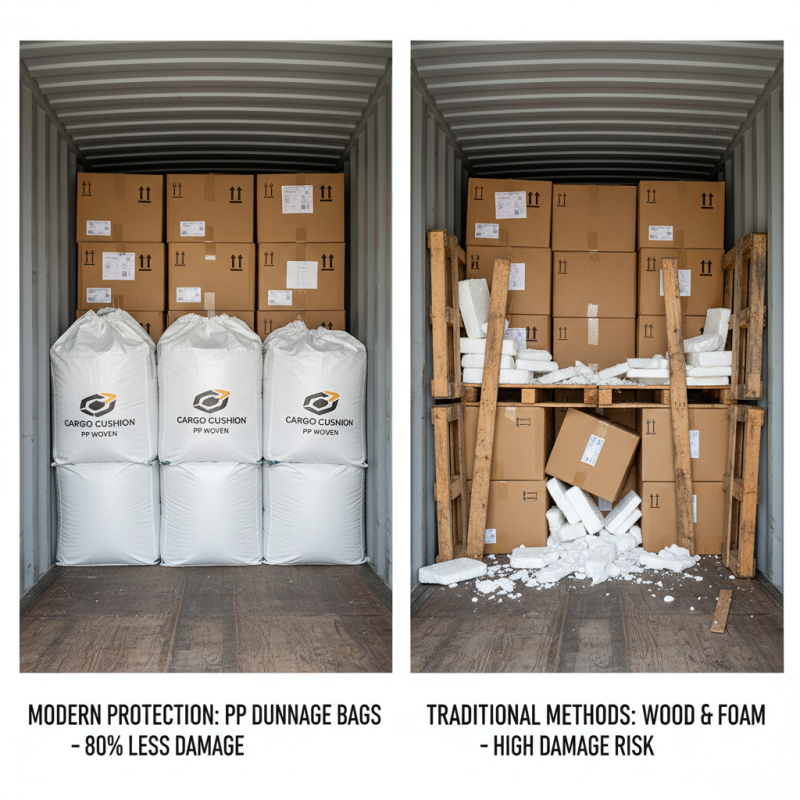
When it comes to cargo protection, dunnage bags have emerged as an effective solution compared to traditional methods such as wooden pallets and foam inserts. PP (polypropylene) dunnage bags are lightweight yet durable, providing excellent cushioning for cargo during transport. According to the International Cargo Security Council, using dunnage systems can reduce cargo damage by up to 80% compared to standard packing techniques. This significant reduction in loss not only preserves the integrity of products but also enhances operational efficiency.
Moreover, PP dunnage bags are more cost-effective than many conventional cargo support solutions. A report from the Packaging Machinery Manufacturers Institute (PMMI) states that the use of inflatable dunnage bags can lead to a cost reduction of up to 20% in packaging expenses. This cost saving arises from their reusability and ease of use, reducing labor time during loading and unloading processes. In contrast, wooden crates and foam materials often incur higher disposal costs and environmental concerns, making them less sustainable for the modern supply chain.
In conclusion, as logistics demands evolve, the advantages of PP dunnage bags become increasingly clear. They provide superior protection while offering notable savings in both costs and resource usage, demonstrating their potential as a leading choice in cargo support solutions.
Best Practices for Using Pp Dunnage Bags in Various Industries
PP dunnage bags have emerged as a crucial solution for cargo protection across various industries, such as shipping and logistics. According to a report by the International Cargo Handling Coordination Association (ICHCA), dunnage bags can reduce cargo damage by up to 30%, significantly mitigating financial losses associated with product spoilage and breakage during transit. These inflatable bags are designed to fill voids in shipping containers, ensuring that cargo remains stable and secure, which is particularly vital when transporting fragile goods.
When utilizing PP dunnage bags, adhering to best practices can maximize their effectiveness. First, it's important to ensure proper inflation; over or under-inflating can lead to insufficient support or increased risk of rupturing. Also, always select the right bag size for the cargo to fill gaps effectively. Training personnel on correct dunnage bag placement and monitoring environmental factors such as humidity and temperature can further enhance cargo protection.
**Tips:** Always inspect dunnage bags for leaks before each use. A quick visual check can save time and prevent costly damages. Additionally, consider the specific characteristics of your cargo when determining the number of bags needed; heavier loads may require additional support. Finally, remember to keep dunnage bags stored in a clean, dry area to maintain their integrity until needed.