How to Choose the Right Slip Sheet for Your Needs?
Choosing the right slip sheet is crucial for efficient logistics and cost management. According to a report by the Material Handling Industry of America, slip sheets can reduce shipping costs by up to 30%. This statistic highlights their importance in modern supply chain solutions. Industry experts like John Smith, a leading material handling consultant, emphasize, “The right slip sheet can significantly enhance operational efficiency.”
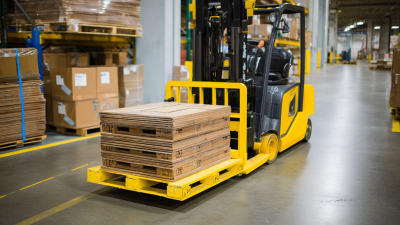
Slip sheets are thin sheets used to handle and transport materials. They replace traditional pallets in various applications, providing a space-saving solution. Companies often overlook the various types available. This can lead to inefficient operations and increased costs.
Understanding your specific needs is key. For example, the right material, size, and thickness of a slip sheet can influence your success. Evaluating these factors carefully ensures proper load stability and ease of handling. Attention to detail is essential in making an informed choice. Remember, the wrong slip sheet can complicate workflows.

Understanding Different Types of Slip Sheets Available in the Market
When selecting the right slip sheet, it's essential to understand the different types available in the market. Slip sheets are typically made from materials like plastic, cardboard, and paper. Each type is designed for specific applications, providing unique benefits depending on your needs.
Plastic slip sheets offer durability and moisture resistance, making them ideal for wet environments. In contrast, cardboard slip sheets are lightweight and eco-friendly, suitable for environmentally conscious companies. According to industry reports, using slip sheets can reduce packaging costs by up to 30%, an appealing benefit for many businesses.
Tips: Consider your load weight when choosing. For heavier loads, opt for sturdier materials. Also, think about your storage environment. High humidity may necessitate materials resistant to moisture.
Despite these advantages, many businesses still overlook the potential drawbacks. Some slip sheets may not perform well under extreme temperatures, affecting their integrity. It's important to assess your specific conditions and potential risks before deciding. Always ensure that the chosen slip sheet type aligns with your operational needs and storage capabilities.
Evaluating Material Options for Slip Sheets: Plastic vs. Paper
When selecting a slip sheet, the material choice significantly impacts performance and efficiency. In the industry, two main materials stand out: plastic and paper. Research indicates that plastic slip sheets, made from high-density polyethylene (HDPE), are often preferred in environments requiring durability. They resist moisture and damage better than their paper counterparts, leading to a longer lifespan. Reports show that plastic sheets can reduce shipping costs by up to 30% due to their lightweight nature and compatibility with automated systems.
On the other hand, paper slip sheets offer a more sustainable option. They are biodegradable and recyclable, aligning with eco-friendly packaging practices. Studies reveal a growing preference for paper slip sheets, with an increase in usage of over 15% in the past five years. However, they don't perform as well in wet conditions. Businesses must assess their specific needs, such as load weight and environmental factors, when making this decision.
Tip: Consider trying both types to evaluate which suits your operations better. Each material has its pros and cons. Ensure you weigh durability against sustainability. Knowing your operational environment is essential. Test samples before making bulk purchases. This approach allows for informed decision-making without waste.
Comparative Analysis of Slip Sheet Materials
Factors to Consider for Size and Thickness of Slip Sheets
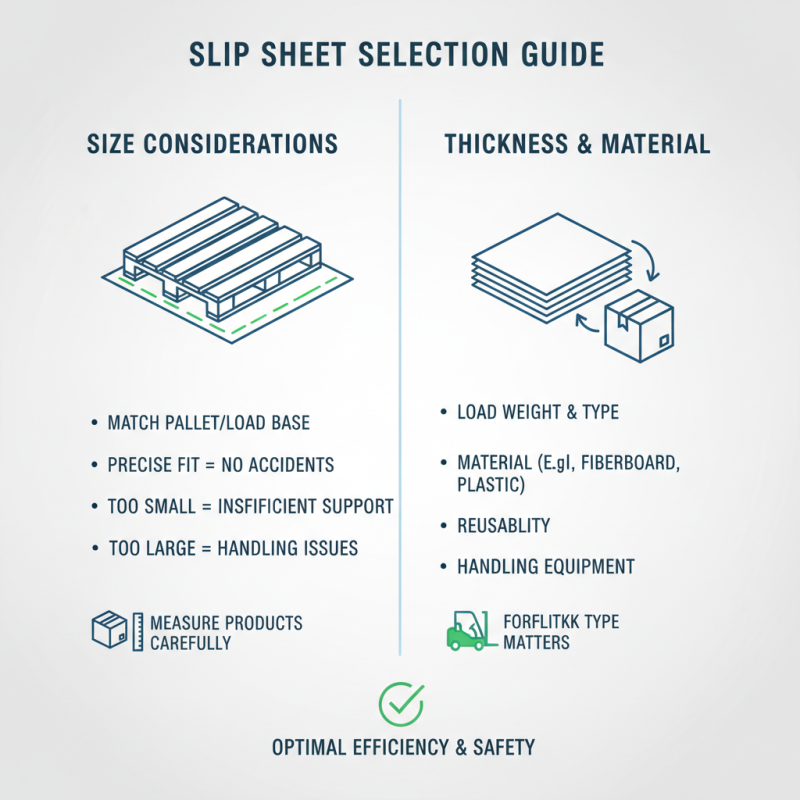
Choosing the right slip sheet involves understanding various factors, particularly size and thickness. The size of the slip sheet is crucial for efficient loading and unloading. It should match the dimensions of the pallet or load base. If it’s too small, it won’t provide adequate support. Too large, and it may cause handling issues. Measure your products carefully. A precise fit can prevent accidents during transportation.
Thickness is another key factor. Thicker slip sheets offer more durability and strength. They can handle heavier loads without bending. However, excessive thickness can add weight and affect handling efficiency. Consider the weight and type of products being transported. Lightweight items may only need thinner sheets. Yet, heavy machinery requires robust options. Careful assessment of both aspects will help in making a well-informed choice.
Ultimately, assess your operational requirements before deciding. Reflect on past experiences where unsuitable slip sheets led to inefficiencies. Addressing these issues early can save time and resources later. Always engage with suppliers or experts. Their insights can guide you in selecting the right slip sheet tailored to your unique needs.
Assessing Your Load Capacity Needs and Compatibility
When choosing a slip sheet, assessing your load capacity is crucial. Different industries have varying standards, and understanding these can prevent costly mistakes. Analyze the weight and dimensions of your products. If you’re dealing with heavier loads, a thicker slip sheet is beneficial. Thinner options may bend or buckle, leading to damage.
Compatibility with your equipment is another factor. Ensure your slip sheet can be easily handled by your forklifts or pallet jacks. Some machinery may be incompatible with certain slip sheet materials, leading to inefficiencies. Testing various types is essential; not every option may perform as expected.
It’s also wise to consider the surface texture of the slip sheet. Smooth surfaces may allow for easy sliding but could lack grip. On the other hand, textured sheets provide better stability but might be harder to maneuver. Reflect on your loading and unloading processes. Evaluating these aspects helps fine-tune your choice, ensuring productivity and safety in your operations.
Exploring Industry-Specific Applications for Slip Sheets
When selecting a slip sheet, consider the specific requirements of your industry. Different sectors use slip sheets in unique ways. In the food and beverage industry, slip sheets provide smooth surfaces for transporting goods. They reduce friction and enhance stacking efficiency. For the automotive sector, slip sheets help with the movement of heavy machinery parts. Their durability is essential in maintaining product integrity during transit.
Tips: Evaluate material strength based on your product weight. Thicker slip sheets can withstand pressure better. Create a checklist of your operational needs. This helps ensure you select the right options for proper functionality.
In the pharmaceutical industry, slip sheets are vital for maintaining hygiene. They aid in the safe transportation of delicate items. However, improper sizing can lead to inefficiencies. If a slip sheet is too small, it may not support the load adequately. Always measure your products carefully before purchasing. This attention to detail can save costs and time.