How to Choose the Best Cardboard Protectors for Shipping?
When shipping valuable items, choosing the right cardboard protectors is crucial. Renowned shipping expert, John Smith, emphasizes, "The right protectors can make or break your package." Cardboard protectors are designed to safeguard goods during transit. They absorb shocks and prevent damage, ensuring your items arrive intact.
Selecting appropriate sizes and qualities can be challenging. Factors like weight, fragility, and distance must be considered. Not all cardboard protectors are created equal. Some may not provide sufficient cushioning, while others might be too bulky, adding unnecessary weight to your shipment. This can affect shipping costs.
Understanding the materials used in cardboard protectors is essential. A well-constructed protector will enhance durability and performance. Manufacturers often make claims about strength, but it's vital to verify these assertions. Using inferior options may lead to costly losses. The right choice requires careful thought and attention.

Understanding the Importance of Cardboard Protectors in Shipping
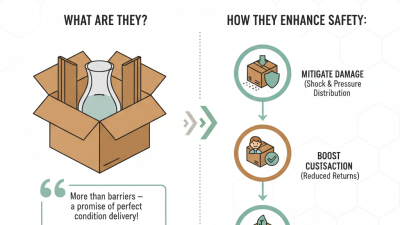
When shipping fragile items, cardboard protectors play a crucial role. They provide a necessary buffer between the product and external forces. These protectors help prevent damage during transit, ensuring that items arrive in perfect condition. A good protector fits snugly around your products and can absorb shock effectively.
Understanding the right materials is essential. Some protectors are made from recycled cardboard, making them eco-friendly. Others offer more durability with thicker layers. Testing different types can lead to better choices. Consider the weight and fragility of your items. Choosing an inappropriate protector can lead to smashed goods and unhappy customers.
Reflect on your shipping process. Are you using the best options available? Regular assessments can reveal opportunities for improvement. Customer feedback often offers insights into what works and what doesn’t. In shipping, a small miscalculation can lead to significant issues. Value the role that quality cardboard protectors play in your shipping strategy.
Types of Cardboard Protectors and Their Uses
When it comes to shipping items, choosing the right cardboard protectors can make a significant difference. Various types of protectors serve unique purposes. For example, corner protectors are specifically designed to shield the edges of boxes. They help prevent damage during transit and can be used for fragile items.
Another type is cardboard sheets, which provide additional support and cushioning. These sheets can be placed between items to minimize movement. They are especially useful for shipping delicate products that require extra protection. Using them reduces the risk of breakage and ensures that the items arrive safely.
Sometimes, the choice can be overwhelming. Not every protector fits every item perfectly. For heavier goods, consider thicker protectors for added strength. Reflect on whether the protectors meet the specific needs of your shipment. Inadequate protection can lead to costly damages and customer dissatisfaction. Always assess your shipping requirements carefully to find the best fit.
Considerations for Choosing the Right Thickness and Strength
When it comes to shipping, the thickness and strength of cardboard protectors are crucial. Industry standards suggest that the optimal thickness ranges from 32 ECT to 44 ECT, depending on the weight of the items being shipped. According to data from the Fibre Box Association, 32 ECT boxes can support up to 30 pounds of weight, while 44 ECT boxes can manage heavier loads. Choosing the right strength can significantly reduce damage during transit.
Consider the contents you are shipping. Delicate items often require thicker, sturdier protectors. If you’re shipping glass or electronics, incorporating protectors that are at least 44 ECT may be wise. It’s also noteworthy that using the right thickness not only ensures safety but is cost-effective in the long term.
Tips: Always test different thicknesses with your specific items. Sometimes, a thicker protector may not be necessary but could add to your shipping costs. Examine your shipping history; if items frequently suffer damage, rethink the strength of your protectors. Balancing protection with budget is essential.
Evaluating Cost-Effectiveness and Environmental Impact
Choosing cardboard protectors for shipping involves assessing cost-effectiveness and environmental impact. A report by the Environmental Paper Network states that recycling cardboard can save 24% of the energy used in producing new cardboard. Therefore, selecting protectors made from recycled materials supports sustainability.
Cost is always a consideration. A study from the Packaging Association reveals that using cardboard protectors can reduce shipping losses by up to 30%. This is significant for businesses looking to optimize expenses. However, it is crucial to ensure that the cheaper options do not compromise the product’s safety during transit. Balancing cost and protection is necessary for long-term success.
Even with growth in eco-friendly options, some cardboard materials still harm the environment. For instance, less than 15% of recycled cardboard is reprocessed into high-quality new material. This raises questions about the true sustainability of some products. Each business must evaluate their supply chain to ensure they make responsible choices. Addressing these inefficiencies can lead to better practices in shipping and waste management.
How to Choose the Best Cardboard Protectors for Shipping? - Evaluating Cost-Effectiveness and Environmental Impact
| Dimension (inches) |
Weight (lbs) |
Cost per Unit ($) |
Environmental Score (1-10) |
Recyclable (%) |
| 12 x 12 |
0.5 |
0.20 |
8 |
100 |
| 16 x 16 |
0.75 |
0.30 |
7 |
90 |
| 18 x 24 |
1.0 |
0.50 |
6 |
85 |
| 24 x 36 |
1.5 |
0.75 |
5 |
80 |
| 36 x 48 |
2.0 |
1.00 |
4 |
75 |
Best Practices for Using Cardboard Protectors During Shipping
When shipping products, cardboard protectors play a crucial role in maintaining their integrity. They provide necessary support against impacts. According to a 2022 report from the Packaging Industry Association, about 25% of products damaged during transit could be prevented with proper protective materials. Using the right thickness and style of cardboard can significantly reduce this risk.
Proper placement of cardboard protectors is vital. They should fit snugly around the items, minimizing movement. Gaps can lead to damage, rendering the entire protective effort ineffective. Research indicates that 30% of shipping claims arise from inadequate packaging. While using cardboard protectors is standard, attention to detail matters. Regular evaluations of your packaging process can highlight areas for improvement.
Not every transition of goods considers the environmental impact of cardboard waste. It’s essential to ensure your cardboard protectors are made from recyclable materials. Although cost-effective, non-recyclable options may pose long-term issues. By prioritizing sustainability, businesses can avoid backlash, showcasing their commitment to responsible practices while delivering the best protection.