How to Choose the Right Hdpe Geomembrane for Your Project?
Choosing the right HDPE geomembrane for your project is crucial. HDPE geomembranes are widely used for containment solutions. They offer reliability, durability, and resistance to harsh conditions.
In many cases, improper selection can lead to project failures. Evaluating factors such as thickness, texture, and chemical resistance is essential. Not all HDPE geomembranes are created equal. Some projects may require heavier duty materials, while others can work with thinner options.
Understanding your project's specific needs can save time and money. Proper applications and installation practices matter too. It’s not just about the geomembrane; it’s about the whole system. Reflecting on these details can lead to better decisions. Don't overlook the importance of comprehensive assessments and professional input.
Understanding HDPE Geomembranes: Types and Applications
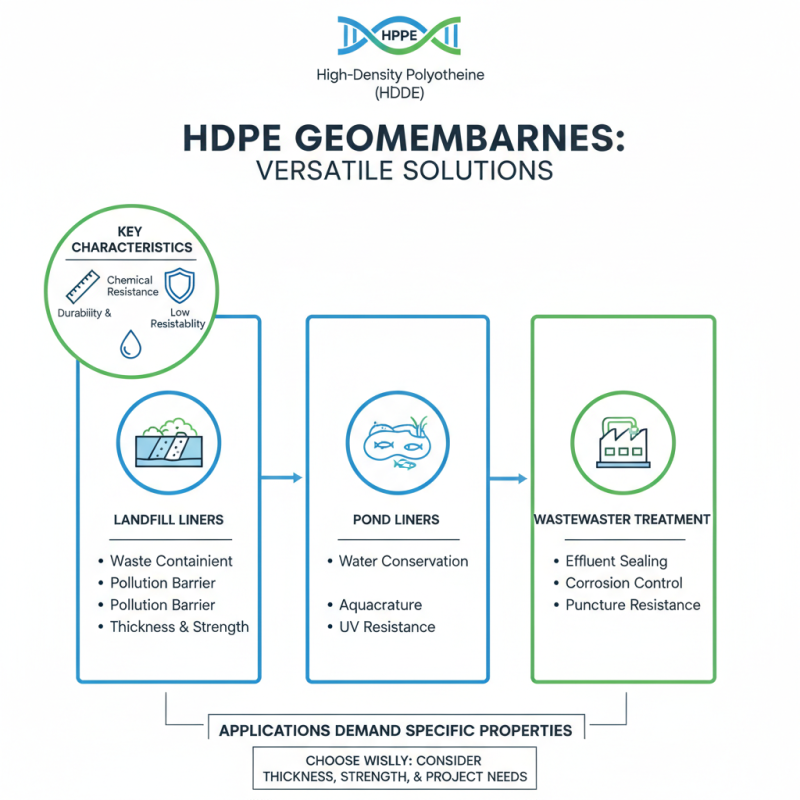
HDPE geomembranes are versatile materials used in various applications. They are primarily made from high-density polyethylene, known for durability and flexibility. These geomembranes are commonly used for landfill liners, pond liners, and in wastewater treatment systems. Each application demands specific characteristics from the geomembrane, such as thickness and strength. Understanding these factors is crucial before making a choice.
Tips: Always examine the project requirements carefully. Consider environmental conditions. Look at the types of stress the geomembrane will face. For example, aggressive chemicals might necessitate a thicker membrane.
Different types of HDPE geomembranes exist. They include smooth, textured, and reinforced options. Each type serves a unique purpose. Smooth geomembranes are often used for containment. Textured variants provide better friction for slopes. They help to prevent sliding. Reinforced geomembranes can withstand heavier loads and punctures.
Tips: Ensure to check compatibility with the site conditions. Think about potential repairs down the road. A flawed choice can lead to additional expenses and project delays. Evaluate all aspects thoroughly before proceeding.
Key Factors to Consider When Selecting HDPE Geomembranes
Choosing the right HDPE geomembrane is essential for the success of your project. There are key factors to consider to ensure you make an informed decision. Understanding the thickness and durability of the geomembrane is critical. Thicker materials can provide better puncture resistance, which is often necessary for harsh environments.
Tip: Always consider the specific requirements of your project. This may include factors such as soil conditions, water exposure, and potential chemical interactions. Don’t overlook how these factors can impact the lifespan of the geomembrane.
It is also important to evaluate the installation process. A poorly installed geomembrane can lead to failures down the line. Reflect on your team’s experience with such installations. If they lack expertise, the risks may increase significantly.
Tip: Consult with professionals when in doubt. Their insights can clarify complex details regarding placement and sealing methods. Ultimately, effective selection and installation can save you time and resources later on.
Evaluating Environmental Conditions for Geomembrane Use
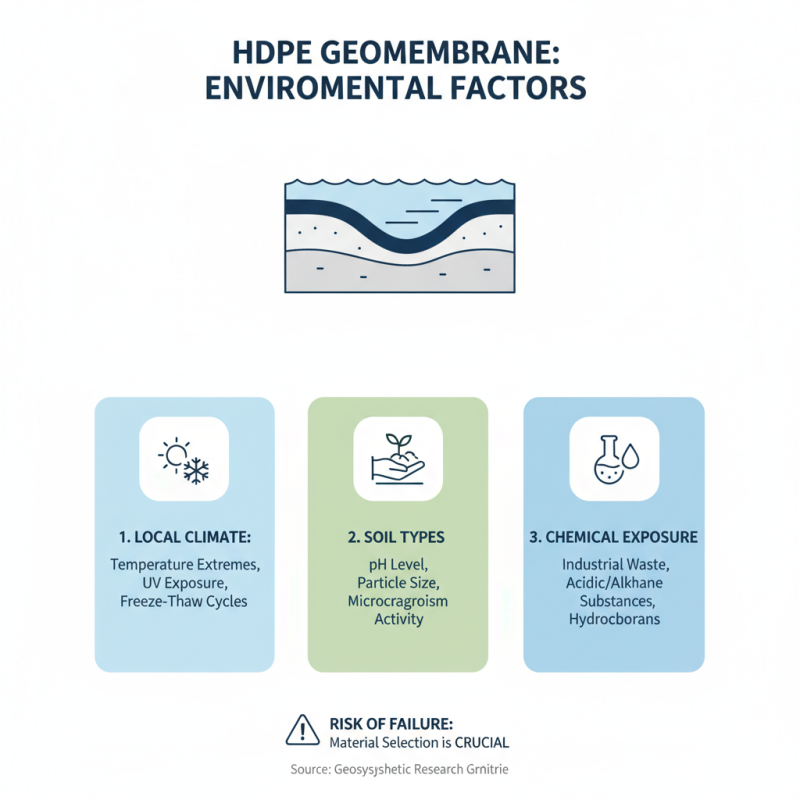
When considering the use of HDPE geomembranes, environmental conditions are crucial. According to industry studies, geomembranes must withstand local climates, soil types, and potential chemical exposure. A report by the Geosynthetic Research Institute states that improper material selection can lead to failures, costing projects thousands of dollars.
For instance, UV radiation can degrade geomembranes over time. In sunny areas, this can be a significant issue. The same goes for harsh chemicals present in the soil or waste. A 2019 study found that over 30% of geomembrane failures were due to chemical incompatibility. Some projects may underestimate these factors, leading to shortcuts in material evaluation.
Temperature variations can also impact performance. Extreme heat or cold can cause expansion or contraction. This might not show immediate effects but can weaken integrity over time. Finally, various landfill applications have unique needs, often overlooked during the planning stage. Many engineers might rush through these considerations, only to face serious repercussions later on. It’s essential to thoroughly evaluate all environmental conditions to ensure geomembrane longevity and effectiveness.
Assessing Project Budget and Cost Considerations
When selecting an HDPE geomembrane, budget is a critical factor. Start by estimating your project costs. Consider the size of the area you will cover. The thickness of the geomembrane also affects the price. Thicker membranes may offer better durability but come at a higher initial cost. Make sure to analyze the long-term investment versus immediate expenses.
Additionally, factor in installation costs. Hiring skilled labor can significantly raise your budget. If you opt for a DIY approach, materials might still add up. Always account for extra expenses, like equipment and transportation. Unexpected issues can arise during installation. Being prepared for these can save you money down the line.
Don’t forget maintenance. A cheaper geomembrane may save you upfront, but could lead to costly repairs later. Weigh the lifespan of different products. Gather quotes from various suppliers, but keep quality in mind. Sometimes, a more affordable option might not deliver satisfactory results. Assess your needs carefully to make an informed decision.
How to Choose the Right Hdpe Geomembrane for Your Project?
| Criteria |
Considerations |
Estimated Costs (per sq. ft.) |
Typical Thickness (mil) |
Best Use Case |
| Chemical Resistance |
Evaluate exposure to chemicals in the environment. |
$0.50 - $1.00 |
30 - 60 |
Landfills, ponds |
| UV Resistance |
Consider whether the material will be exposed to sunlight. |
$0.60 - $1.20 |
20 - 40 |
Surface applications, reservoirs |
| Mechanical Properties |
Understand tensile strength and puncture resistance needs. |
$0.70 - $1.50 |
60 - 80 |
Mining applications, landfills |
| Environmental Conditions |
Assess climate and weather conditions affecting material durability. |
$0.55 - $1.05 |
30 - 60 |
Civil engineering projects, ponds |
| Installation Method |
Consider ease of installation and required equipment. |
$0.80 - $1.40 |
20 - 40 |
Dike construction, levees |
Determining Installation and Maintenance Requirements for HDPE Geomembranes
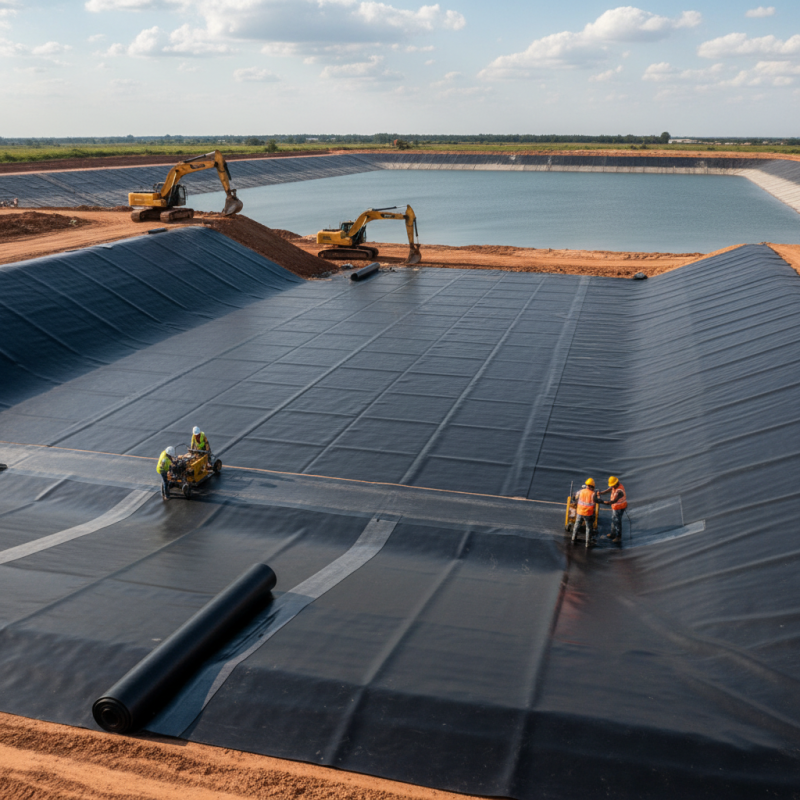
When selecting HDPE geomembranes, installation and maintenance requirements play a crucial role. Proper installation is essential for longevity. Poorly installed liners may lead to leaks or other issues, resulting in costly repairs. Each project varies, so understanding site conditions is vital. Make sure to assess soil type, water levels, and surrounding vegetation.
Here are some tips: Always follow installation guidelines provided by professionals. Additionally, conduct regular inspections after installation. Routine checks can identify potential issues early on. Testing methods like vacuum or pressure tests might be helpful.
Furthermore, maintenance is not a one-time task. Factors like UV exposure and chemical interactions can degrade geomembranes over time. Without proper respect for these elements, you might face problems later on. Consider having a maintenance plan that includes cleaning and repairs. Documenting any changes helps track the geomembrane's condition. Ultimately, a proactive approach ensures better performance and lifespan.
HDPE Geomembrane Installation and Maintenance Requirements