How to Choose the Best Support Bar for Your Needs?
Choosing the right Support Bar is crucial for safety and comfort. It serves various functions in daily life, from aiding mobility to enhancing stability. Not all Support Bars are created equal. Factors like material, design, and intended use greatly influence your choice.
Consider your specific needs. Are you looking for a Support Bar for a bathroom, kitchen, or an outdoor area? Each environment may require different features and strengths. Look for options that offer durability and a non-slip grip. Pay attention to installation methods as well; some Support Bars need professional installation while others are user-friendly.
It's also essential to reflect on the aesthetics. A Support Bar should blend with your space while providing the necessary support. However, don’t overlook its practicality. A balance of style and function will enhance your living space. Ultimately, your choice should prioritize safety, accessibility, and your unique preferences.
Understanding Different Types of Support Bars Available in the Market
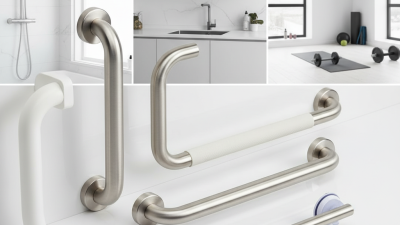
When exploring support bars, it's crucial to understand the various types available. These devices vary significantly based on their design and intended use. Grab bars are one common option used in bathrooms for safety. They provide vital assistance when standing or sitting. Some may find them slightly uncomfortable or difficult to install, pointing to the need for careful consideration.
Lifting bars are another prevalent type, often utilized in healthcare settings. These bars assist patients in moving or repositioning. While they are functional, their design can sometimes create accessibility issues. Users might feel insecure while relying on them, especially if they are not anchored properly. The importance of proper installation cannot be overstated.
Wall-mounted support bars are popular in home settings. They're adjustable and can fit various needs. However, some users might struggle with the installation process and the necessary tools. It's essential to ensure that these bars are installed correctly for maximum safety. Always involve a professional when in doubt. Selecting the right support bar requires reflection on both needs and challenges.
Distribution of Different Types of Support Bars Available in the Market
This bar chart represents the distribution of different types of support bars available in the market in terms of their percentage availability. Fixed and adjustable bars are the most prevalent types, while multi-functional and curved bars are less common.
Evaluating the Weight Capacity and Strength of Support Bars
When selecting a support bar, evaluating its weight capacity and strength is crucial. Support bars come in various materials, including stainless steel and aluminum. Each material has different strength levels and weight limits. It's essential to check the manufacturer's specifications before making a decision. A sturdy support bar can significantly enhance safety, especially in environments like bathrooms and kitchens.
Consider your specific needs. If you're looking for a bar to support an elderly person, choose one with a higher weight capacity. Some bars may seem strong but have lower weight limits. Look for features like grip patterns and mounting options that enhance both safety and usability. Visualize how the bar will fit into your space and support actual usage scenarios.
Choosing a support bar with insufficient strength can lead to accidents. Reflect on how it will be used daily, considering factors like where and how often it will be relied upon. The best choice balances aesthetics and functionality. Prioritize strength for peace of mind while ensuring that you don’t compromise on style. A well-chosen support bar is not just a helper; it’s a crucial element of safety in your home.
Assessing Material Durability and Maintenance Requirements
When selecting a support bar, assessing the material's durability is crucial. A recent industry report highlighted that over 30% of support bar failures stem from inadequate material selection. This emphasizes the significance of understanding the properties of various materials. For instance, stainless steel bars are known for their corrosion resistance, making them ideal for high-moisture environments. On the other hand, aluminum offers lightweight strength but may not endure harsh conditions as effectively.
Maintenance requirements also play a vital role in your decision-making process. Some materials demand regular upkeep to maintain their functionality. Studies suggest that support bars with non-corrosive finishes require less frequent maintenance. This can reduce long-term costs and effort. However, it’s important to note that while many manufacturers claim low maintenance, real-world performance can vary. Some users report corrosion occurring sooner than expected, highlighting the need for careful consideration.
Ultimately, evaluating both material durability and maintenance needs is essential. This helps ensure the chosen support bar reliably meets your requirements. Consider factors like environmental exposure, weight capacity, and maintenance history to make an informed decision. Balancing durability and upkeep can significantly impact the longevity of your support bar.
Considering Design and Adjustability for Your Specific Needs
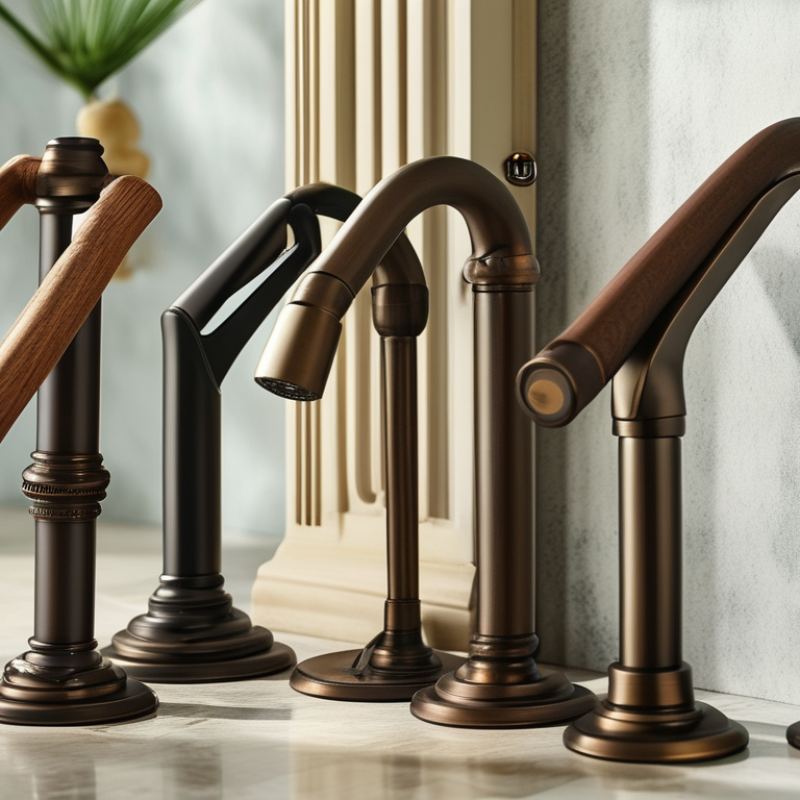
When selecting a support bar, focus on its design and adjustability. The right design ensures it meets your specific needs and matches your home decor. A sleek, modern look might enhance your space, while rugged designs offer durability. Consider whether you need a straight or curved bar, as each serves different purposes.
Adjustability is another crucial factor. Some support bars can be set at various heights. This feature allows each user to find their comfort level, making the bar more effective. Some may need a higher bar for standing assistance; others might prefer a lower setting for safety while sitting. Check the range of adjustment before making a decision.
Don't forget to evaluate the installation process. Some bars require professional help, while others can be easily installed at home. Ensure that the bar can be securely attached to your wall, as stability is essential. Reflect on your surroundings and how the bar will integrate with your daily routine. A thoughtful approach will yield better results in enhancing your safety and comfort.
Reviewing User Feedback and Manufacturer Reputation for Quality Assurance
Selecting the ideal support bar involves careful consideration of user feedback and the manufacturer's reputation. Users often emphasize the importance of durability and comfort. According to a recent industry report, 68% of consumers prioritize product longevity when choosing support equipment. This feedback highlights a need for brands to invest in high-quality materials to ensure user satisfaction.
User reviews can provide valuable insight into a product's performance. A study indicated that 87% of users felt more confident in their purchase after reading multiple reviews. This suggests a strong correlation between comprehensive user feedback and purchasing decisions. However, not all reviews are trustworthy. An alarming 30% of online reviews may be fake or misleading. This inconsistency reminds consumers to verify sources before relying on testimonials.
Manufacturers should maintain transparency about their production processes. The American Institute of Manufacturing suggests that companies with transparent practices earn a 25% higher trust rating from consumers. Users appreciate brands that disclose their materials and production standards. When shopping for support bars, consider looking for those that give insight into their manufacturing reputation. Ultimately, consistent quality assurance relies on both positive user experiences and a trustworthy manufacturer background.