How to Choose the Right Cargo Load Bar for Your Needs?
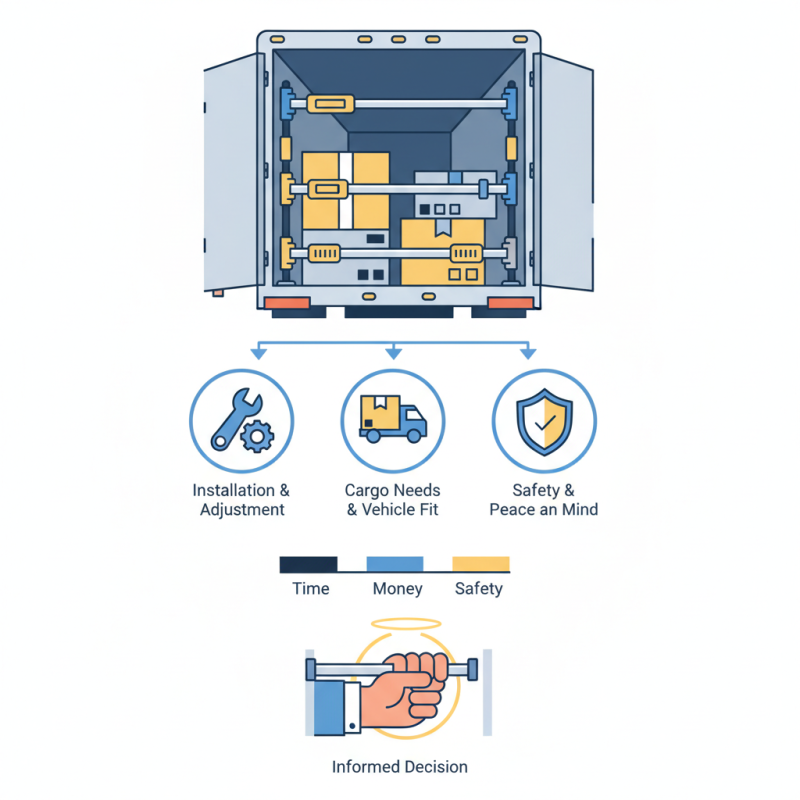
Choosing the right Cargo Load Bar is crucial for transporting goods safely. According to industry expert John Smith, “A good Cargo Load Bar can save you both time and money.” His insight highlights the importance of making an informed decision when selecting this essential tool.
When evaluating your options, consider the specific needs of your cargo. Different designs, materials, and weight capacities can greatly affect performance. Ensure the Cargo Load Bar you choose fits securely in your vehicle and handles the load efficiently.
Many users overlook the details of installation and adjustment. A poorly fitted Cargo Load Bar can lead to accidents. Reflect on your choices and seek advice if uncertain. The right Cargo Load Bar ensures the safety of your goods and peace of mind during transportation.
Factors to Consider When Selecting a Cargo Load Bar
Choosing the right cargo load bar involves careful consideration of several factors. Load capacity is paramount. Data from the Freight Transportation Research Group indicates that a bar’s typical capacity ranges from 1,000 to 3,500 pounds. A heavier load requires a stronger bar. Underestimating this can lead to equipment failure, risking safety.
Material quality also plays a crucial role. Steel is generally more durable than aluminum. However, aluminum is lighter and easier to handle. A report from the National Cargo Safety Administration stated that over 30% of cargo failures are due to improper load securing tools. This highlights the need for reliable, high-quality materials in cargo bars.
Length and adjustability are additional considerations. Cargo bars should fit snugly across different trailer widths. This means a range of adjustability is beneficial. Users often struggle with fit, and a poorly fitting bar can compromise loads. Checking compatibility with your equipment is essential for safe transportation. Opting for a versatile, adjustable option can make a significant difference in load security.
How to Choose the Right Cargo Load Bar for Your Needs?
| Dimension |
Material |
Weight Capacity |
Length Adjustment |
Ease of Use |
| 48 inches |
Steel |
2,000 lbs |
Expandable |
Easy |
| 60 inches |
Aluminum |
1,500 lbs |
Fixed |
Moderate |
| 72 inches |
Steel |
2,500 lbs |
Adjustable |
Easy |
| 96 inches |
Aluminum |
2,000 lbs |
Expandable |
Difficult |
Types of Cargo Load Bars Available on the Market
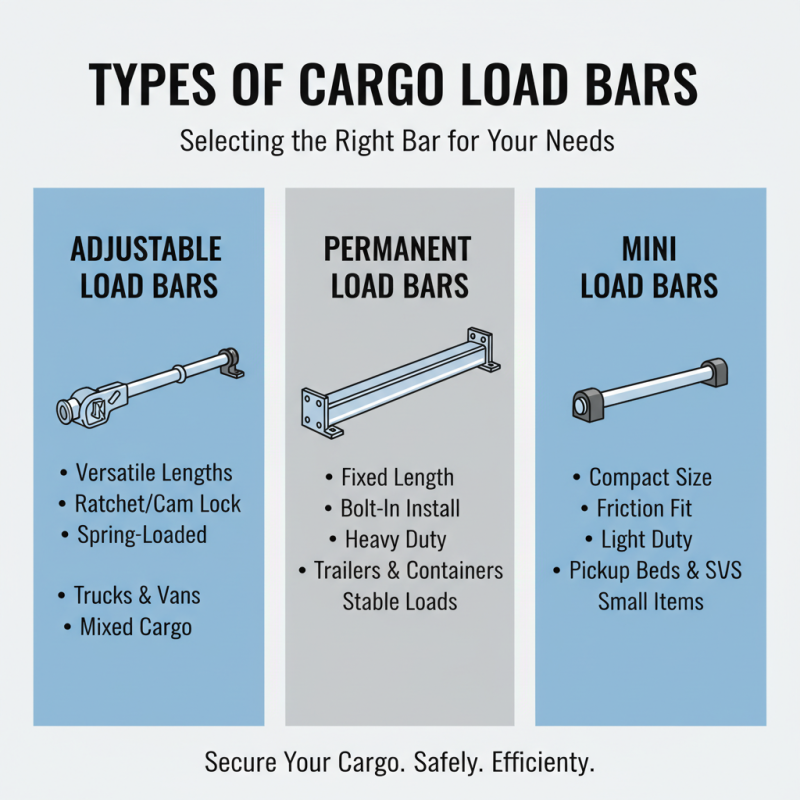
When selecting a cargo load bar, it’s crucial to understand the different types available on the market. Various load bars serve specific purposes, catering to diverse transportation needs. The most common types include adjustable, permanent, and mini load bars. Each type has its unique features and benefits, influencing their optimal use cases.
Adjustable load bars are preferred for their versatility. They can be extended or shortened to fit different cargo areas. This flexibility makes them ideal for transporting various loads. Permanent load bars, on the other hand, are designed for more consistent environments. They are fixed in place, offering stability for regular loads but lack versatility. Mini load bars are compact and convenient, perfect for smaller vehicles and lighter cargo. They’re often overlooked, but they play a significant role in ensuring secure transport.
When choosing a cargo load bar, consider your specific needs. The right choice depends on your cargo type and vehicle size. Ensure you assess the weight capacity, material strength, and adjustability features. A poorly chosen load bar can lead to safety hazards or inadequate load security. Taking time to evaluate options is essential.
Material Durability and Weight Capacity of Load Bars
When selecting a cargo load bar, material durability and weight capacity are crucial factors. Load bars made from high-strength steel offer excellent durability. They resist deformation and are suitable for heavy-duty applications. However, aluminum load bars are lightweight and corrosion-resistant, making them ideal for transport. Each material has its unique advantages.
Understanding weight capacity helps ensure safety and efficiency. Load bars are available with varying capacities. A bar rated for 1,500 pounds may work for light loads, but may not suffice for heavier cargo. Always check the specifications before making a choice. It's essential to match your load bar with the weight you'll be transporting.
Product testing is vital for assessing durability. Load bars may perform differently under stress during real-world use. Some users may encounter issues such as bending or breaking with improper weights. It's worth reflecting on these experiences before purchase. Users should prioritize their needs and consider how often they'll use the bar. A thoughtful approach leads to better decisions in cargo management.
Installation and Adjustment Features of Cargo Load Bars
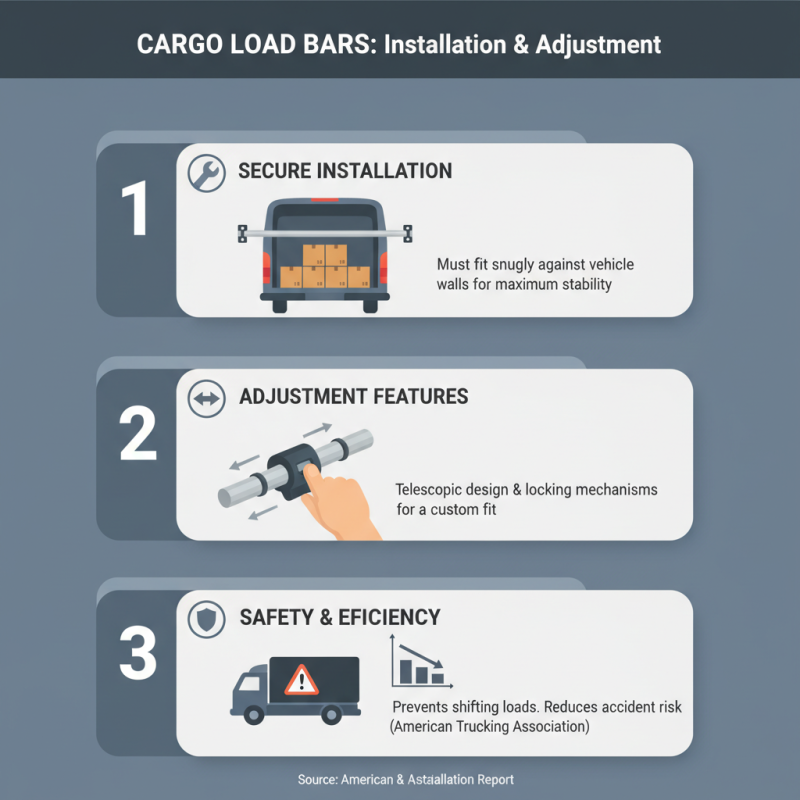
When selecting cargo load bars, proper installation and adjustment features are crucial for efficacy. Cargo load bars must fit securely in your vehicle to provide maximum stability. A report by the American Trucking Association indicates that improperly secured loads are a leading cause of accidents in transportation. Therefore, understanding how to adjust these bars becomes essential.
The adjustment mechanism is typically straightforward. Many models feature an easy-to-turn screw or slide mechanism for quick resizing. A well-designed bar should allow for installation in various types of vehicles. This adaptability is important, given that cargo needs vary significantly across industries. However, not all products meet these needs perfectly. Users often report issues with tightness and fit, which can lead to safety concerns.
Using high-quality materials is critical for durability. Bars made of sturdy aluminum or reinforced steel can withstand serious pressure. Statistics show that cargo loads have a potential weight exceeding 4,000 pounds. Thus, ensuring your load bars can handle such weight is vital. Installation should never be rushed, as errors can compromise transport safety. An expert recommendation is to conduct regular checks to ensure adjustments remain secure over time.
Cost Analysis: Budgeting for Your Cargo Load Bar Needs
When budgeting for a cargo load bar, consider the essential features you need. The material and construction quality significantly impact durability and functionality. Investing in stainless steel or heavy-duty aluminum may yield long-term benefits. These options resist corrosion and provide strong support for heavy loads. Remember, quality often comes at a higher price, but it can prevent costly replacements down the line.
Assess your specific needs to avoid overspending. A load bar for light cargo may not require the same robustness as one intended for heavy shipments. Understanding your cargo's weight and dimensions helps you choose wisely. Many users overlook the hidden costs, such as shipping fees or accessories necessary for installation. Detailed comparisons between products can unveil these potential expenses.
It's crucial to reflect on your decision-making process. Did you consider all options? Were you swayed by attractive advertisements? Taking time to evaluate your choices is vital. Your investment should align with both your budget and operational needs. Balancing cost and quality is key in selecting the right load bar.