How to Choose the Right Dunnage Bag for Shipping?
Choosing the right dunnage bag for shipping can significantly impact your logistics efficiency. Many shippers overlook this vital component. Renowned industry expert, John Smith, asserts, "The right dunnage bag can prevent damage and save costs." This emphasizes the importance of making an informed choice.
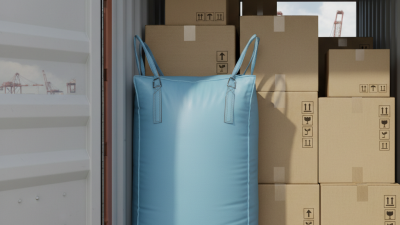
Dunnage bags come in various sizes, materials, and inflation methods. Each option has its unique benefits and drawbacks. For example, a plastic dunnage bag offers moisture resistance, while a paper version may provide better cushioning. Understanding these features is crucial. Ignoring them can lead to product damage during transportation.
Moreover, consider your shipping environment. External factors like temperature and humidity can affect your choice of dunnage bag. Select one that will withstand specific conditions to ensure maximum protection. Relying solely on generic solutions could lead to costly mistakes down the line. It's essential to evaluate your options carefully. Thoughtful decision-making in selecting dunnage bags can ultimately enhance your shipping process.

Factors to Consider When Selecting Dunnage Bags for Shipping
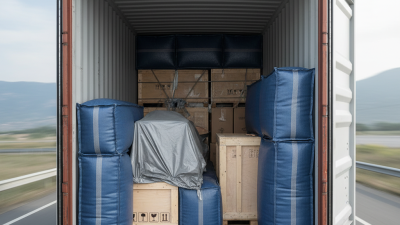
Choosing the right dunnage bag is crucial for safe shipping. Several factors come into play when selecting these bags. The size of your shipment is a key consideration. You need bags that fit snugly around your cargo. Oversized bags may lead to insufficient support. Too small, and your items may shift during transit.
Material is another important aspect. Dunnage bags come in various materials like kraft paper or plastic. Each material has its strengths and weaknesses. For example, plastic bags resist moisture well, but may not be as eco-friendly. Consider the nature of the items you're shipping. Fragile items need more protection from impact.
Additionally, look at the inflation method. Some bags require manual inflation, while others can be inflated using a pump. Manual inflation can be time-consuming. A quicker option may save you time during busy shipping periods. Always consider the weight capacity of the dunnage bags as well. Overloading them can lead to failures, which may damage your cargo. Make informed choices to protect your shipments effectively.
Types of Dunnage Bags and Their Specific Applications
When it comes to dunnage bags, their types are crucial for ensuring effective shipping.
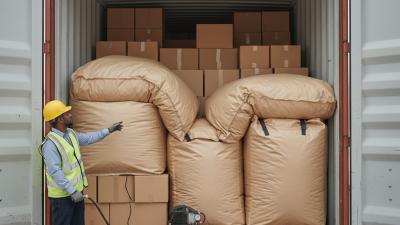
Air-filled dunnage bags often serve as a versatile choice. They adapt well to various load types, providing cushioning against shifts during transit.
According to the International Material Management Association, improper load securement leads to significant freight damage.
Moreover, air-filled options can reduce shipping costs by being lightweight.
On the other hand, foam dunnage bags offer a rigid structure.
They are ideal for fragile items that need a consistent buffer during transportation. These bags can withstand higher pressures compared to air bags.
A report by the American Society of Transportation and Logistics indicates that choosing the appropriate dunnage can lower product loss by as much as 30%.
Ultimately, paper dunnage bags are environmentally friendly, catering to businesses under increasing sustainability pressure. They are less effective in extreme conditions but useful for lighter loads.
Research from the Packaging Innovation Group shows that 70% of shippers prioritize sustainability.
Choosing the right dunnage bag involves careful consideration of material, load type, and environmental impact.
Guidelines for Calculating the Correct Size and Pressure of Dunnage Bags
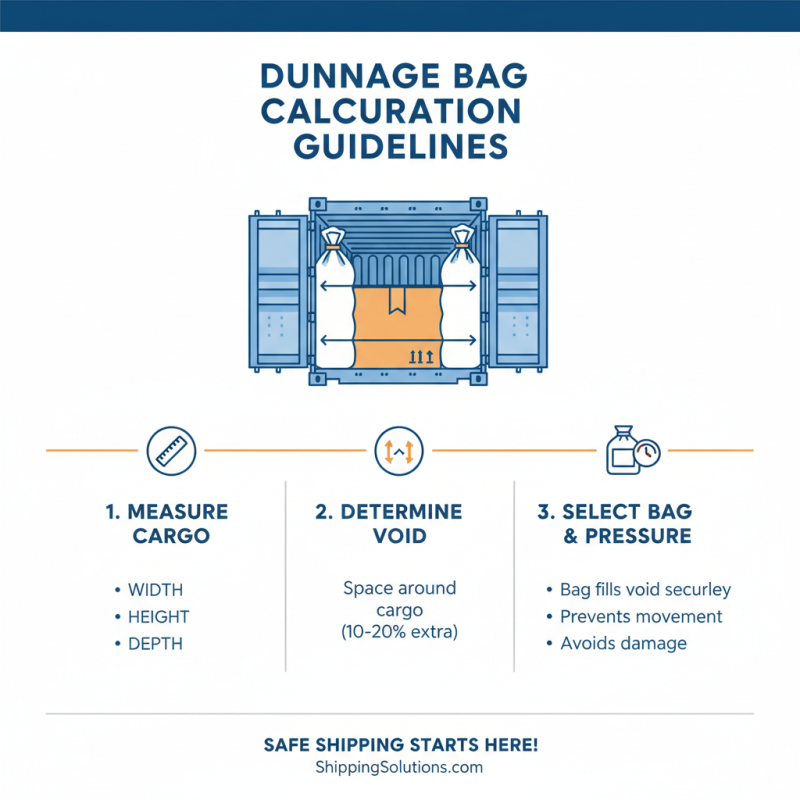
Choosing the right dunnage bag is crucial for safe shipping. Understanding the proper size and pressure is essential. The bag must fit securely around the cargo. An ill-fitting bag can lead to movement and damage during transit. You should measure your cargo dimensions accurately. Width, height, and depth are key factors to consider. Ten to twenty percent extra space is advisable for packing.
Pressure calculations also play a critical role. Each dunnage bag has a specified pressure limit. Overinflation can cause rupture, while underinflation may not provide adequate support. It’s vital to consult guidelines for optimal pressure settings. A pressure gauge can help ensure that inflation is accurate. Remember, proper inflation affects bulk and overall stability.
Don’t overlook environmental factors. Temperature can alter the effectiveness of your dunnage bags. For instance, cold conditions may affect materials. Regularly reviewing supplier specifications can prevent mishaps. Assessing previous shipments can reveal common failures. Your approach should evolve based on these observations, leading to smarter shipping decisions.
Material Options for Dunnage Bags and Their Benefits
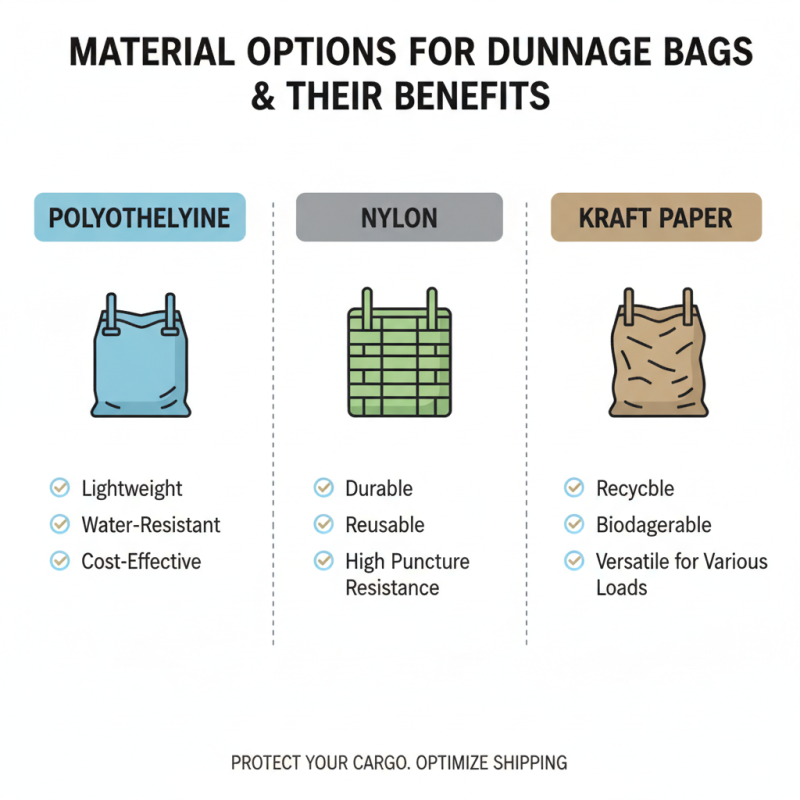
Choosing the right dunnage bag for shipping can greatly impact the safety of your cargo. It’s vital to understand the material options available and the unique benefits each offers. Common materials include polyethylene, nylon, and kraft paper. Each material has specific characteristics that can enhance the shipping process.
Polyethylene dunnage bags are durable and moisture-resistant. They are ideal for bulk cargoes. Nylon bags, while slightly more expensive, offer superior strength and flexibility. They can conform to the load better, providing optimal support. Kraft paper bags are eco-friendly and perfect for lighter loads but may not withstand extreme conditions.
**Tips:** Always consider the nature of your shipment before selecting a material. For heavier items, nylon may provide the best protection. Additionally, conducting a test with different materials can reveal which works best for your specific needs. Reflect on the environmental impact as well; opting for recyclable options can improve sustainability efforts. The perfect choice isn’t always clear, and sometimes experimentation is necessary for optimal results.
Best Practices for Using Dunnage Bags in Shipping Operations
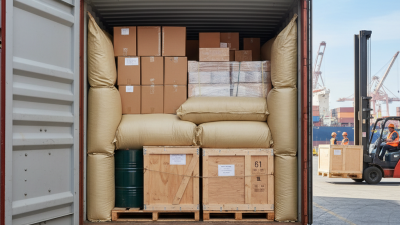
Dunnage bags are crucial for protecting cargo during shipping. They prevent movement and damage. Choosing the right size is vital. A bag too small may not provide sufficient support, while one that is too large could lead to inefficiencies. Always measure your cargo accurately. This is an often overlooked step that can save you time and money.
When using dunnage bags, ensure they are properly inflated. This creates a snug fit. Check for any leaks before sealing your shipments. A small oversight can lead to significant losses. It’s also important to position the bags strategically within the load. Some users fail to consider the weight distribution, which can affect stability. Regular training can enhance employee awareness of these practices.
Finally, inspect the dunnage bags regularly. Over time, wear and tear can compromise their effectiveness. Documenting your usage can help identify patterns. Learning from past mistakes is essential for improvement. Reassessing your shipping process can lead to better outcomes over time.
How to Choose the Right Dunnage Bag for Shipping? - Best Practices for Using Dunnage Bags in Shipping Operations
| Dunnage Bag Type |
Dimensions (inches) |
Weight Capacity (lbs) |
Material |
Recommended Applications |
| Standard Cushion Dunnage Bag |
30 x 48 |
1500 |
Polypropylene |
General shipments and cargo securing |
| Heavy-Duty Dunnage Bag |
36 x 60 |
2000 |
Kraft Paper with Plastic Lining |
Heavy shipments, industrial applications |
| Water-Resistant Dunnage Bag |
24 x 36 |
1200 |
Polyethylene |
For use in damp environments or with moisture-sensitive goods |
| Inflatable Dunnage Bag |
18 x 24 |
800 |
Nylon |
Smaller cargo and sensitive items |