How to Choose the Right Support Bar for Your Needs?
Choosing the right support bar can seem overwhelming. There are many options available, and each has different features. A support bar is essential for stability and safety in various environments.
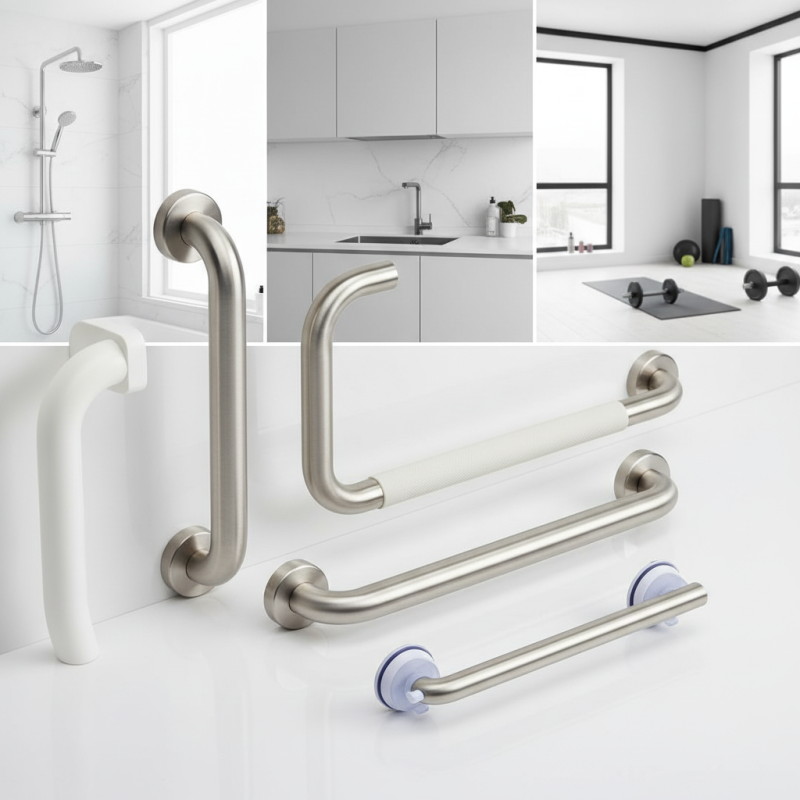
When considering a support bar, it's crucial to assess your specific needs. Think about the space where it will be used. Is it for a bathroom, kitchen, or exercise area? Each situation requires different styles and strengths of support bars.
The material is also important. Stainless steel offers strength, while aluminum is lighter. You may need to reflect on your own requirements. Choosing the wrong support bar can lead to accidents and discomfort. Ultimately, the right choice can enhance your daily life.
Understanding Different Types of Support Bars Available in the Market
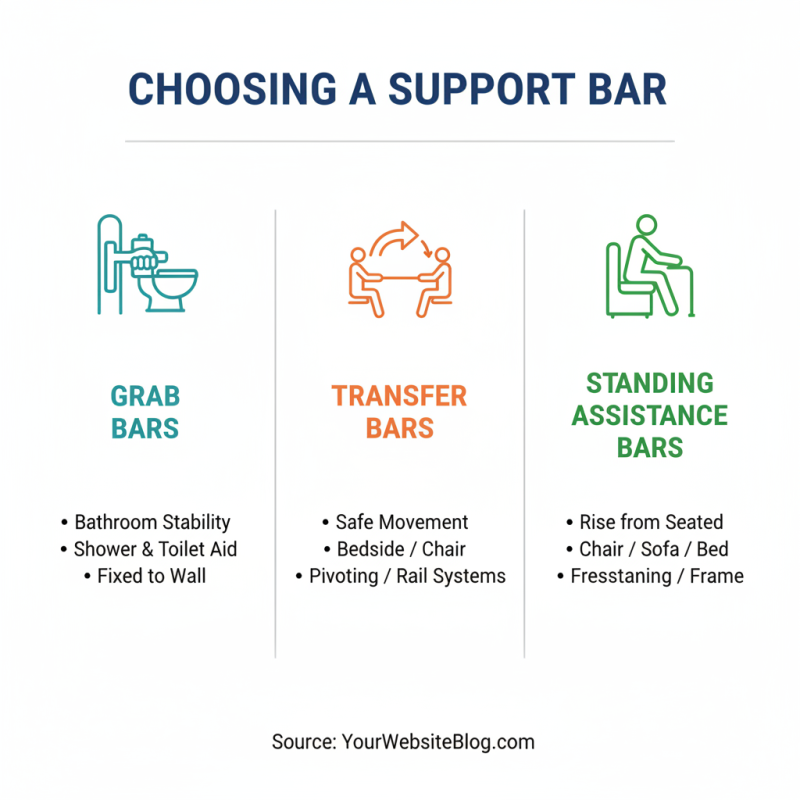
When choosing a support bar, it's crucial to understand the types available. Broadly, support bars can be classified into grab bars, transfer bars, and standing assistance bars. Each type serves different purposes and fits various environments. Grab bars often help those who need stability in bathrooms. Transfer bars enable users to move safely and securely. Standing assistance bars support individuals while they rise from a seated position.
Market research indicates that the demand for support bars has increased by over 15% in the last five years. This growth reflects a shifting focus towards accessibility in home and healthcare settings. According to a report by the National Aging in Place Council, nearly 90% of seniors wish to remain at home. Support bars play a significant role in making this possible. However, not everyone is aware of the proper installation requirements. Improperly installed bars can lead to accidents and injuries.
Additionally, material choice is vital. Stainless steel bars tend to offer durability. However, they may be overpriced for some budgets. Plastic and aluminum options provide lightweight alternatives but might not withstand heavy use. The key is to assess the specific needs, space, and budget. Each option has pros and cons, which require careful consideration and reflection.
Evaluating Your Specific Needs for Support Bar Usage
When choosing a support bar, think about your specific needs. Are you looking for stability or assistance? Understanding your requirements is essential. For instance, those recovering from injury may need a sturdy option. In contrast, individuals looking for balance while walking might consider lighter designs.
Next, consider the environment where you will use the support bar. Is it indoors or outdoors? The surface matters. Indoor usage might not require extensive features. Outdoor settings, however, need durability and weather resistance. Reflect on your routine as well. Do you frequently travel? If so, a portable option could be beneficial.
Personal preferences can also influence your choice. Some may prioritize aesthetics over functionality. That's okay, but don’t let style overshadow practicality. Test various styles in a store, if possible. This can help you understand the feel. Sometimes, we overlook the small details that make a difference. While a certain bar may look appealing, it might not fit your hands well. Think twice before making your final decision.
How to Choose the Right Support Bar for Your Needs? - Evaluating Your Specific Needs for Support Bar Usage
| Need |
Recommended Support Bar Type |
Dimensions |
Weight Capacity |
Materials |
| Bathroom Safety |
Wall-Mounted Grab Bar |
36 inches |
300 lbs |
Stainless Steel |
| Elderly Support |
Pull-Up Support Bar |
24 inches |
250 lbs |
Aluminum |
| Shower Stability |
Suction Cup Grab Bar |
18 inches |
200 lbs |
Plastic |
| Child Safety |
Portable Safety Bar |
30 inches |
150 lbs |
Bamboo |
| Fitness Training |
Multi-Use Resistance Bar |
53 inches |
350 lbs |
Steel |
Key Features to Consider When Selecting a Support Bar
Choosing the right support bar can significantly impact your safety and comfort. Consider the weight capacity of the bar. A study by the American Safety Council noted that support bars should hold at least 250 pounds to accommodate most users. This ensures they provide adequate support when needed.
Material is essential. Stainless steel bars resist rust and maintain strength over time. However, some users prefer plastic coatings, which can prevent slipping. According to recent statistics, 30% of users experienced less grip with bare metal bars. Assess the grip surface as well. Ergonomic designs can enhance comfort during use, especially for those with mobility challenges.
Installation is another critical factor. A poorly installed support bar can cause accidents. The National Institute of Standards recommends that bars be anchored into wall studs. Regular inspections are also needed to ensure safety. Neglecting maintenance may lead to deterioration, risking user safety. Always reflect on how you plan to use the support bar in your daily life for better functionality and peace of mind.
Features Comparison of Support Bars
Assessing Quality and Durability in Support Bar Options
When selecting a support bar, quality and durability are critical factors. Industry reports indicate that support bars with a high rating often incorporate robust materials. For instance, stainless steel bars tend to offer superior strength, resisting corrosion and wear. A recent study showed that 75% of users preferred such materials for long-term investment.
Another key aspect is the manufacturing process. Bars that undergo rigorous testing are more likely to meet safety standards. According to a survey conducted by industry professionals, 60% of users reported issues with support bars that did not pass quality checks. This highlights the importance of considering the manufacturing credentials before making a purchase.
Additionally, user feedback is invaluable. Reading reviews helps gauge reliability. Many customers have noted that low-cost options sometimes fall short regarding durability. A noticeable number of users experienced failures after short periods. Investing in high-quality support bars may require a higher initial cost but often leads to better long-term value. Reflecting on these insights, it becomes clear that evaluating quality and durability is essential in choosing the right support bar for individual needs.
Budget Considerations: Finding the Right Support Bar for Your Finances
Choosing a support bar can be overwhelming, especially when budget constraints come into play. It’s essential to find an option that meets your needs without breaking the bank. Prices can vary dramatically. Some budget models may feel flimsy. Higher-end versions may offer better durability and support. Compare materials and features carefully.
Consider your specific situation when evaluating costs. A lower-priced bar may suffice for occasional use. On the other hand, regular use might require a sturdier option. Think about your long-term investment. It might be wise to allocate a bit more for better quality. Remember, a more expensive bar might save you money in the long run due to fewer replacements.
Explore different sources for better deals. Used support bars can be a budget-friendly option. However, inspect for any wear or damage. Don’t rush the decision. Take time to research and weigh your choices. A support bar isn’t just a purchase; it’s about your safety and comfort. Take a moment to reflect on what you truly need.