What is a Dunnage Bag and How Does It Work?
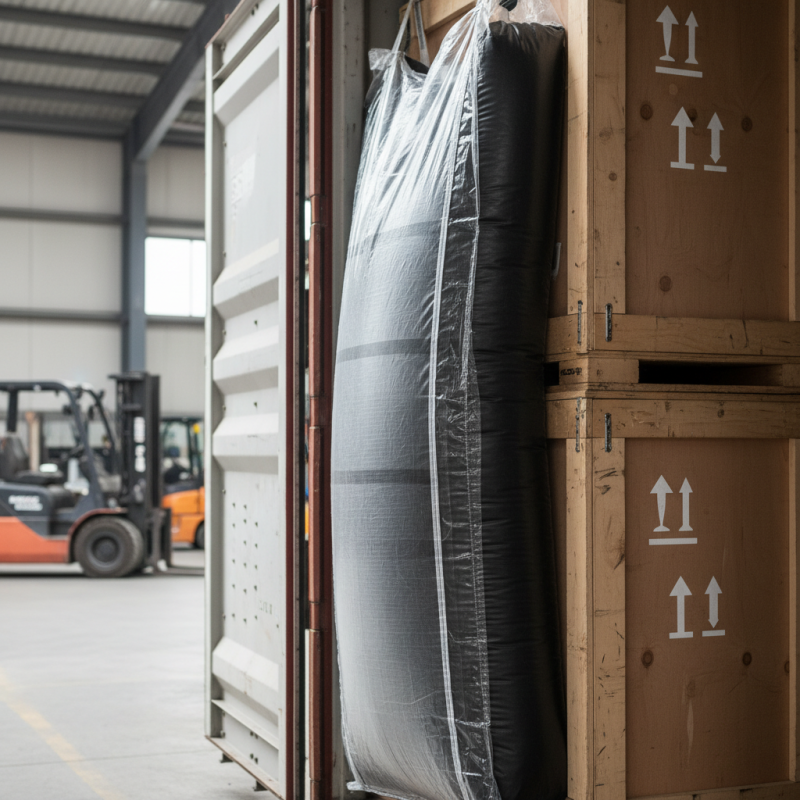
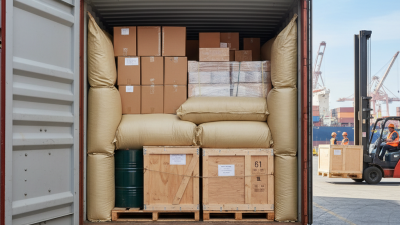
Dunnage bags play a crucial role in securing cargo during transport. According to industry expert John Smith, "Dunnage bags are essential for preventing damage." These inflatable bags are designed to fill empty spaces in shipping containers, stabilizing heavy items.
The design of a Dunnage bag is simple yet effective. When inflated, they create a strong barrier, absorbing shocks and vibrations. This protects goods from movement and impact. However, not all Dunnage bags are created equal. Subpar products can lead to costly damages.
Understanding the proper use of a Dunnage bag is vital for shippers. Too often, insufficient attention is given to their placement and inflation. This oversight can result in fragile items breaking during transit. Experts suggest regular training and reviews for staff handling these bags. This can enhance the shipping process while minimizing risk.
What is a Dunnage Bag?
Dunnage bags are inflatable air cushions used to protect cargo during transportation. They provide a flexible and efficient solution to secure items in shipping containers, trucks, and rail cars. According to a report by the Institute of Packaging Professionals, improper packaging can lead to a 25% increase in damage-related costs. Dunnage bags help mitigate this issue.
These bags are typically made from durable polyethylene or similar materials. They can conform to the shapes of products, filling gaps and preventing movement. The Automotive Industry Action Group estimates that about 60% of damage in transit comes from shifting items. Dunnage bags decrease this risk by immobilizing cargo, ensuring products arrive safely.
Despite their benefits, not all applications utilize dunnage bags effectively. Some companies may overlook their proper inflation levels, leading to ineffective protection. A Bloomberg report notes that nearly 30% of goods shipped are still damaged due to inadequate packaging. Continuous improvement in training and awareness surrounding dunnage bag usage remains necessary to protect valuable cargo during transit.
Usage and Importance of Dunnage Bags in Transportation
The Purpose and Importance of Dunnage Bags
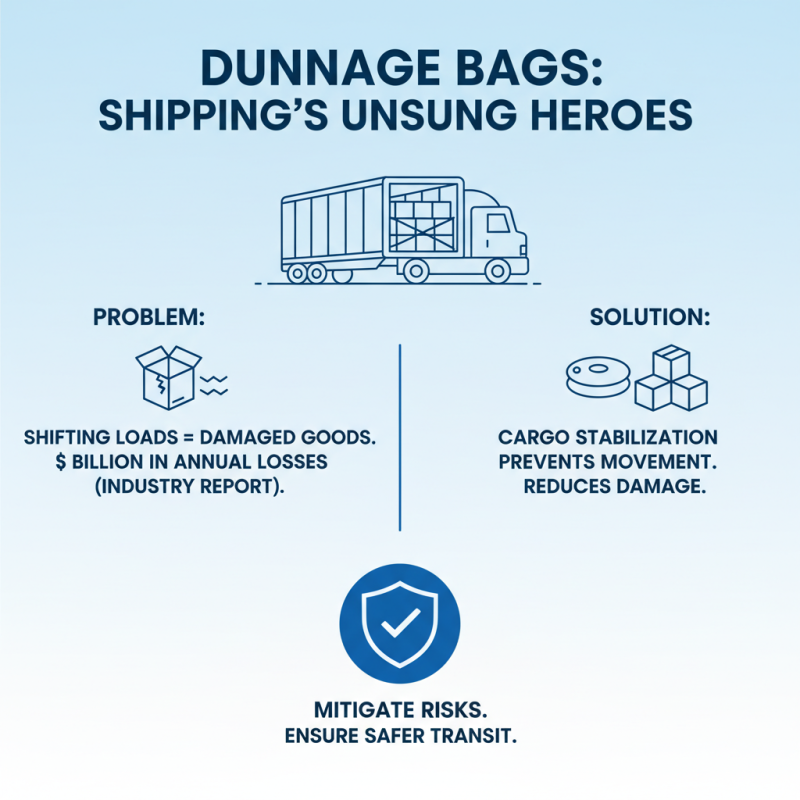
Dunnage bags play a crucial role in shipping and transportation. They are inflatable bags used to stabilize cargo and prevent movement during transit. The impact of shifting loads can be disastrous, leading to damage. According to a recent industry report, damaged goods account for roughly $3 billion in losses annually. Dunnage bags help mitigate these risks significantly.
The importance of using dunnage bags is underscored by their ability to reduce damage and improve safety. In one study, it was found that 87% of companies using these bags reported a decrease in product breakage. This translates to not only reduced losses but also increased customer satisfaction. However, improper use of dunnage bags remains a challenge. Some workers do not inflate bags sufficiently, compromising their effectiveness.
Proper training is essential but often overlooked. Many workers are not aware of the full benefits that come with correct dunnage bag usage. This gap can lead to missed opportunities for saving costs and enhancing cargo integrity. Inconsistent use and lack of standardization can contribute to ongoing issues within the shipping industry. Awareness and education are critical for maximizing the potential of dunnage bags.
How Dunnage Bags Work in Shipping and Transport
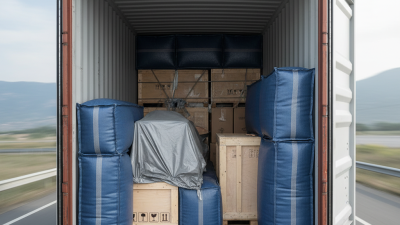
Dunnage bags play a crucial role in shipping and transport. They are inflatable bags that create voids in cargo spaces. By inflating them, they provide necessary support and protection during transit. This prevents the movement of goods, reducing the risk of damage. They fit snugly between items, filling gaps effectively.
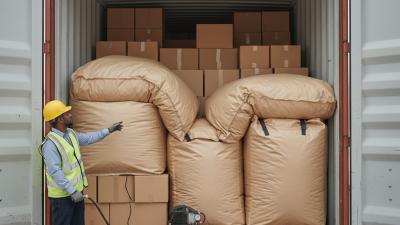
In practice, the process is simple. Workers insert the deflated bags into cargo containers. After positioning, they inflate the bags using a pump. This method secures loads efficiently. However, challenges can arise. Over-inflation may cause rupture. Under-inflation risks insufficient support. Each shipment presents unique situations requiring careful adjustments. Knowing how much air to add can be tricky and may require practice.
Visibility of the bags is also vital. If not placed correctly, they can hinder loading and unloading processes. Their effectiveness hinges on proper usage, but errors can occur. Learning from these mistakes is essential for improvement. In real-world applications, the feedback loop from workers can help refine techniques. Over time, this results in better protection for goods shipped across the globe.
Types of Dunnage Bags: Materials and Designs
Dunnage bags come in various types, made from different materials and designs. Each type serves a unique purpose in securing cargo during transport. Common materials include air-filled plastic, woven polypropylene, and paper. Air-filled options are lightweight and easy to handle. They absorb shock but may not suit all products.
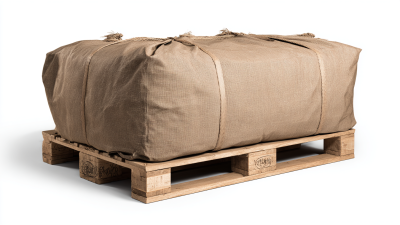
Woven polypropylene dunnage bags are sturdy. They resist punctures and can withstand harsher conditions. Paper dunnage bags are biodegradable, offering an eco-friendly solution. Each design varies in size and style, catering to diverse cargo shapes.
Tips: Always choose a dunnage bag that matches your cargo's weight and dimensions. Check for leaks before use. A simple test can save you from complications later.
Improper use of dunnage bags can lead to cargo damage. It pays to research your options thoroughly. Sometimes, the cheapest choice isn’t the best one. Quality matters in transport safety. Consider long-term benefits over short-term savings.
Best Practices for Using Dunnage Bags Effectively
Dunnage bags are inflatable bags used for securing cargo during transport. To use them effectively, it's important to understand the proper techniques. Start by ensuring that the cargo is stacked correctly. Proper stacking minimizes movement and reduces the potential for damage.
When placing dunnage bags, inflate them fully. This creates a barrier that keeps cargo in place. Position the bags between items and at the ends of the load. The goal is to fill every gap. However, many overlook the importance of avoiding overinflation. This can cause the bags to burst during transit.
Regular checks on the bags during transportation can help maintain their effectiveness. Look for any signs of leaks or damage. If a bag looks compromised, replace it quickly. Learning from past experiences can assist in perfecting these methods. Reflect on any previous shipments that faced issues due to improper securing. Each failure can offer valuable lessons for future loads.