2026 How to Use Pp Woven Dunnage Bag Effectively?
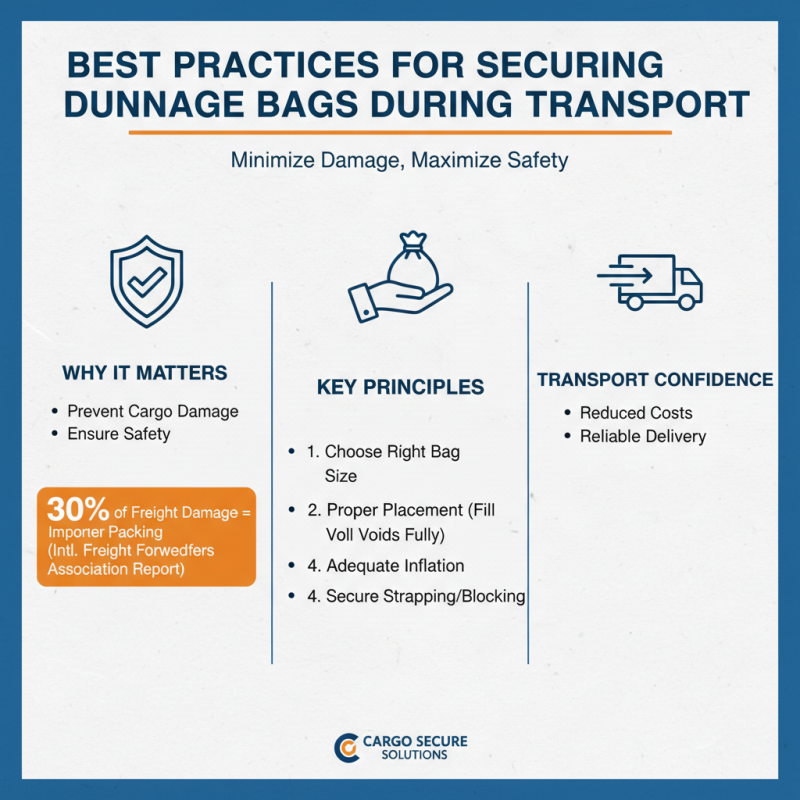
In the logistics and transport industry, the proper use of Pp Woven Dunnage Bags is critical. According to the International Journal of Logistics Management, damaged cargo significantly increases operational costs, leading to an estimated 20% loss in revenue annually for businesses. Effective utilization of dunnage bags can mitigate these losses by ensuring goods are protected during transportation. These bags provide stability, limit movement, and absorb shocks, which is vital for fragile items.
Reports indicate that the global demand for Pp Woven Dunnage Bags is expected to grow by 5% annually over the next five years. This growth highlights the industry's shift toward more efficient packaging solutions. However, not all users understand how to maximize the effectiveness of Pp Woven Dunnage Bags. Mistakes can happen—using the wrong size, for instance, may lead to insufficient protection.
Investing in staff training on optimal usage is essential. It can ensure the right application of the bags, reducing waste and damage. Companies need to evaluate their packaging processes critically. Understanding how to implement Pp Woven Dunnage Bags properly can ultimately lead to significant cost savings and increased customer satisfaction.
Understanding Pp Woven Dunnage Bags and Their Benefits
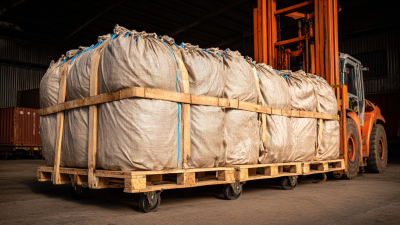
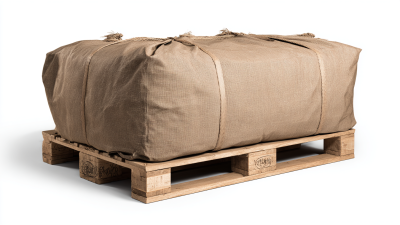
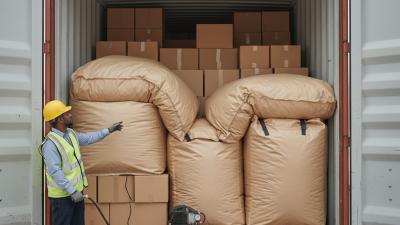
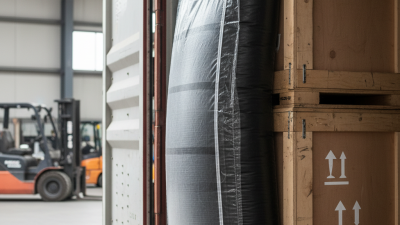
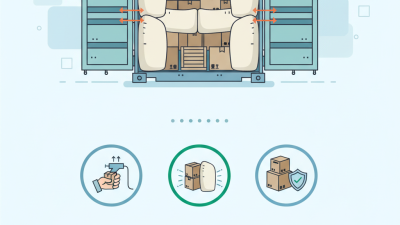
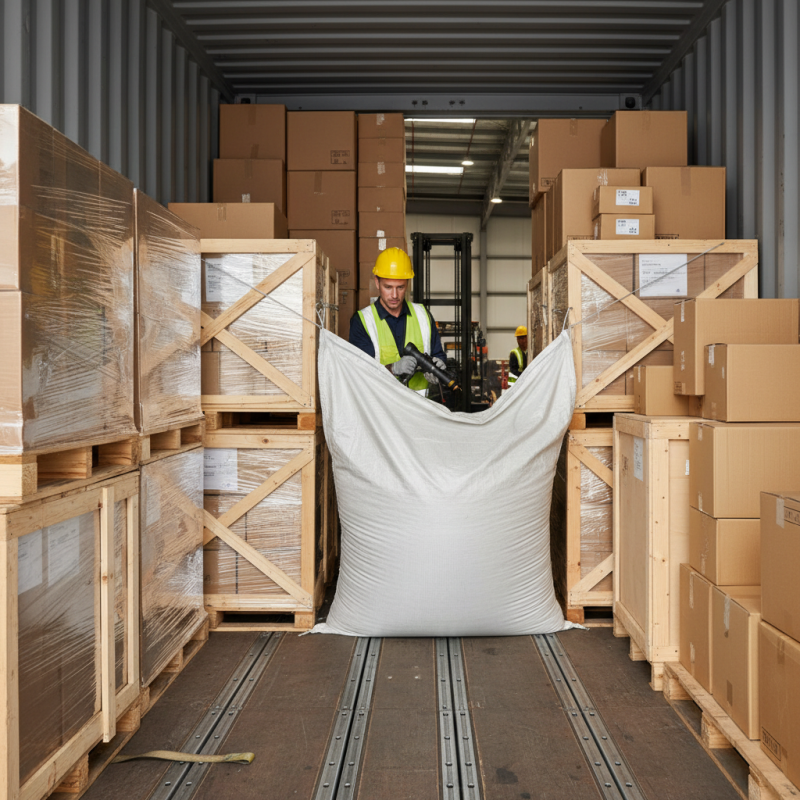
Pp woven dunnage bags serve as crucial tools in the shipping industry. These bags provide excellent support and protection during transportation. According to a recent industry report, approximately 60% of shipping damage occurs due to inadequate cargo securing methods. Utilizing dunnage bags helps to mitigate these risks. They are designed to fill voids, stabilize cargo, and prevent movement.
The benefits of using pp woven dunnage bags are numerous. They are lightweight yet highly durable, capable of withstanding pressure. A study shows that using these bags can reduce load shift by up to 50%. This statistic emphasizes their importance in maintaining cargo integrity. Additionally, they are cost-effective compared to traditional packing materials.
However, there are areas for improvement in their usage. While most users are aware of their benefits, improper inflation can lead to failure. Time spent learning the right inflation techniques is often underestimated. Proper training can increase effectiveness and reliability, ensuring cargo safety. Awareness of these factors is critical for maximizing the potential of dunnage bags in logistics.
2026 Usage Statistics of PP Woven Dunnage Bags
Selecting the Right Size and Type of Dunnage Bag for Your Needs
Selecting the right size and type of dunnage bag for your needs is crucial for effective cargo protection. Dunnage bags come in various sizes and materials. Your choice should depend on the type of cargo you're transporting. For instance, if you have lightweight items, a smaller bag will often suffice. However, heavier loads may require larger, more durable bags.
Consider the dimensions of your cargo space. An ill-fitting bag can be ineffective. A bag that is too small may not provide adequate support. On the other hand, an oversized bag can lead to shifting loads. Proper measurements are essential. Test the bags before using them in transit.
Material also plays a key role. PP woven dunnage bags are popular due to their strength and flexibility. They easily conform to cargo shapes. Reflect on how the bags will be used in real scenarios. Think about potential issues, such as punctures or leaks. Ensure your dunnage bag is compatible with your shipping method. Mistakes in size or material choice can lead to costly damages. Choose wisely to enhance load security and safety.
2026 How to Use Pp Woven Dunnage Bag Effectively? - Selecting the Right Size and Type of Dunnage Bag for Your Needs
| Dunnage Bag Size |
Type of Material |
Weight Capacity (lbs) |
Best Uses |
Inflation Method |
| 24" x 36" |
PP Woven |
2000 |
Shipping small items |
Manual Pump |
| 36" x 54" |
PP Woven |
3000 |
Large pallets |
Electric Pump |
| 48" x 72" |
PP Woven |
4000 |
Heavy machinery |
Manual Pump |
| 30" x 30" |
PP Woven |
1500 |
Stacked boxes |
Manual Pump |
Step-by-Step Guide to Properly Inflate and Position Dunnage Bags
Properly inflating and positioning Pp woven dunnage bags is crucial for effective load securing. Start by selecting the right size of dunnage bag for your cargo. Measure the space between the items and choose a bag that will fit snugly. This ensures maximum protection against shifting during transit.
Inflation begins with the bag laying flat. Insert the air nozzle into the bag's filling valve. Inflate the bag evenly, observing for any irregularities. An over-inflated bag may burst, while one with too little air won’t provide sufficient support. Aim for a firm but not overly rigid feel. Once inflated, position the bag between the cargo items. The goal is to create a solid barrier that keeps everything in place.
Each load is different. It’s essential to assess how the dunnage bag interacts with your specific cargo. Sometimes a bag may not fit perfectly, leading to gaps. These gaps can invite shifting and even damage. Take a moment to adjust and ensure the bag is securely wedged. It's a simple step that can save you from costly mishaps during shipping.
Maintaining and Storing Pp Woven Dunnage Bags for Longevity
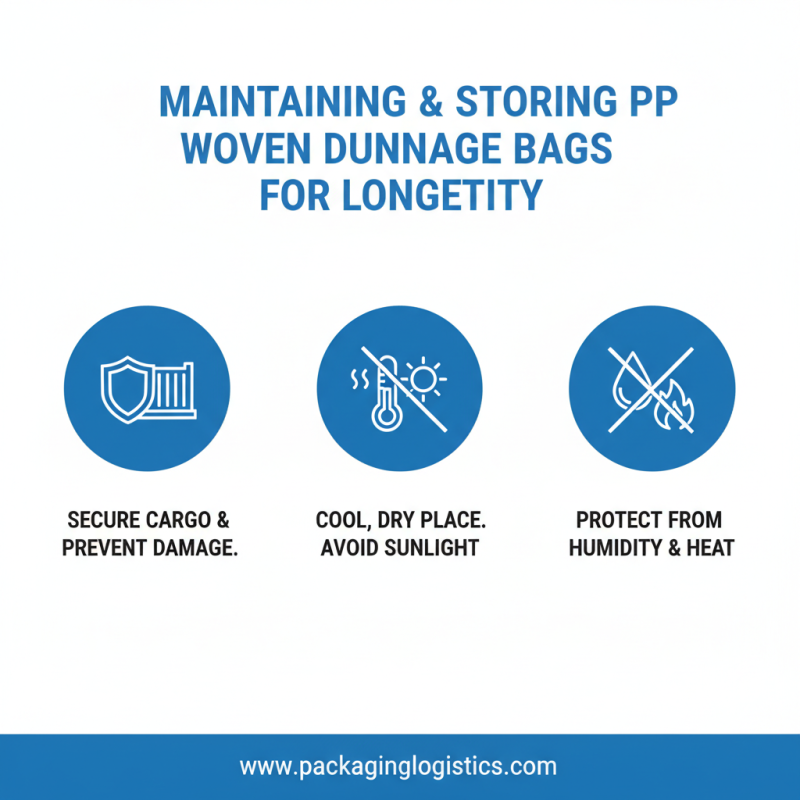
Proper maintenance and storage of PP woven dunnage bags is essential for their longevity. These bags are effective for securing cargo and preventing damage during transport. However, if not stored correctly, they can lose their effectiveness over time. It is important to keep them in a cool, dry place away from direct sunlight. Humidity and heat can degrade the material, making them less durable.
When it comes to cleaning, avoid harsh chemicals. A simple mix of mild detergent and water can often do the trick. After cleaning, ensure they are thoroughly dried before storage. Folding the bags instead of rolling them helps maintain their shape. This reduces the risk of stress points that can lead to weaknesses.
Regular inspections are also crucial. Look for signs of wear or damage before each use. Small cuts can become larger if overlooked. Not all bags may be in perfect condition, and using a damaged bag can compromise safety during transit. Consider keeping a few extra bags on hand as a precaution.