What is a Lock Bar and How Does It Work?
The Lock Bar is an essential component in many locking mechanisms. It enhances security and precision in various applications. According to a recent report by the Security Industry Association, the global market for locking mechanisms is expected to reach $4 billion by 2026. This growth highlights how critical the Lock Bar is in securing our environments.
Expert Bob Johnson, a leading figure in security technology, stated, "The Lock Bar system revolutionizes traditional locking methods." This emphasizes the larger trend toward integrating advanced technology with physical security. However, as effective as Lock Bars can be, there are challenges. Their installation requires expertise to ensure reliability. Inadequate installation can undermine the entire security system.
Some users may overlook the maintenance of Lock Bars. Regular checks are crucial to retain their effectiveness. It's essential to balance technology and traditional methods for optimal results. While advancements are promising, sound practices must be upheld to ensure security systems remain robust and dependable.
What is a Lock Bar? A Definition and Overview
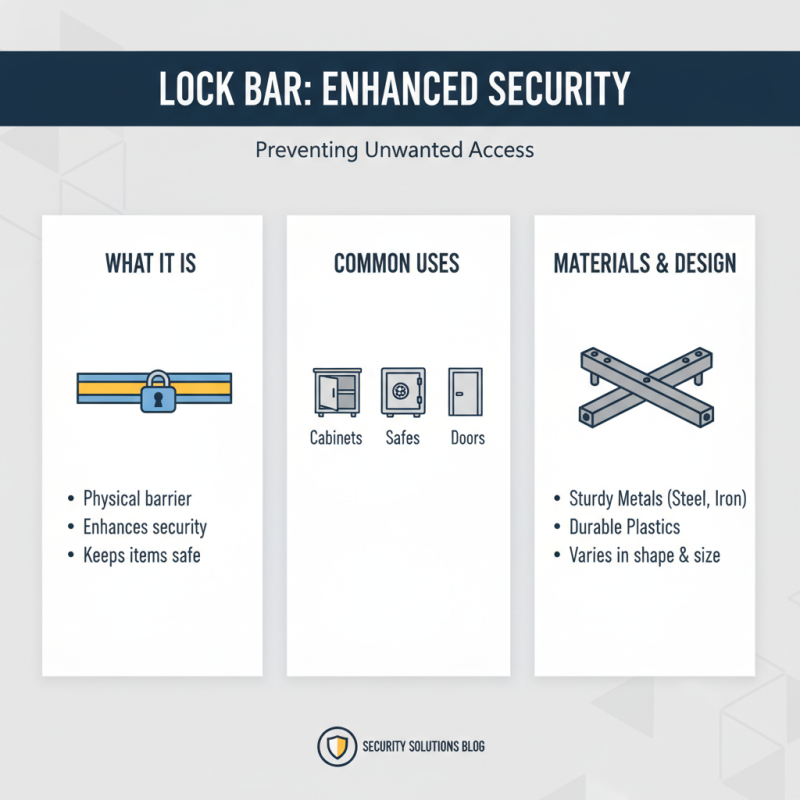
A lock bar is a mechanism that enhances security by preventing unwanted access. It provides a physical barrier that keeps items safe. Often used in cabinets, safes, or even doors, its design may vary. You might find them made of sturdy metals or durable plastics, ensuring longevity.
Understanding how a lock bar works is simple. When engaged, it creates a solid connection between two parts. This function is vital for protection. However, some may overlook its importance until a security issue arises. A poorly installed or maintained lock bar can fail. Regular checks and proper usage are crucial.
Overall, the lock bar serves as a fundamental component in various security systems. Its importance shouldn’t be underestimated. A faulty lock bar can leave your possessions vulnerable. Keeping it functional requires attention and care. Ignoring these aspects can lead to regrettable outcomes.
The Mechanism of a Lock Bar: How It Functions
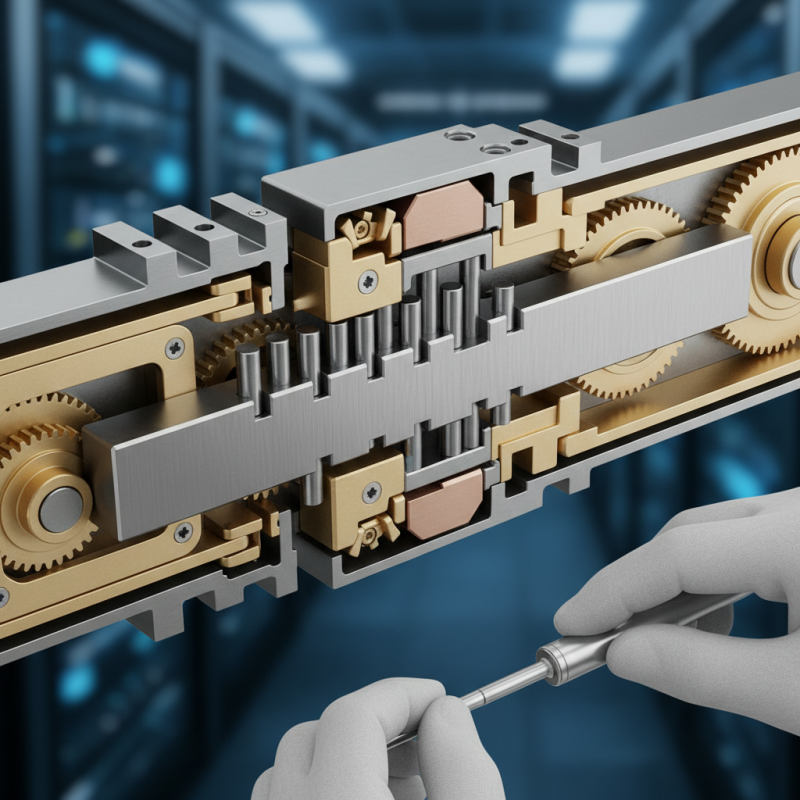
A lock bar is a simple yet effective mechanism that plays a crucial role in securing various items. It functions as a physical barrier, preventing unwanted access. The basic idea involves a bar that moves into place, locking two components together. This can be seen in toolboxes, cases, and even furniture.
When you press down on the lock bar, it engages, often with the help of springs or mechanical levers. This action is often accompanied by a distinct clicking sound, signifying that the mechanism is secure. To release it, a slight upward lift or push is typically required. It’s important to remember that improper handling can lead to frustrating jams.
Tips: Regularly lubricate the lock bar to keep it functioning smoothly. Dust and debris can accumulate, causing it to stick. Also, inspect the mechanism for wear and tear. Sometimes, it’s just one small piece that needs replacing. If you encounter resistance, don’t force it. This could result in damage that’s costly and time-consuming to repair.
Applications of Lock Bars in Various Industries
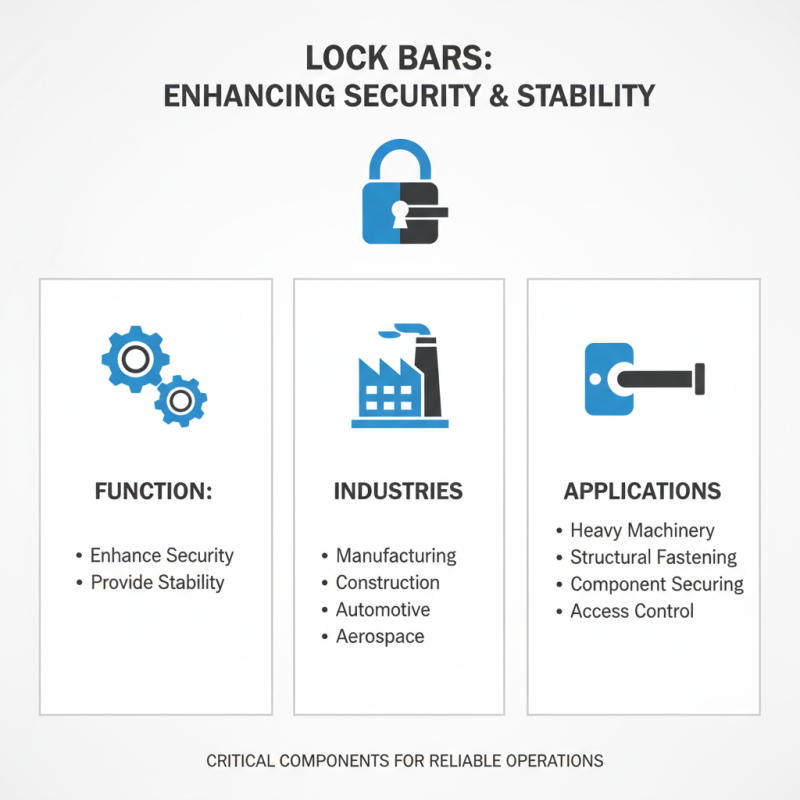
Lock bars are critical components in various industries. They enhance security and provide stability in different applications. For instance, in the manufacturing sector, lock bars are often used in heavy machinery. They ensure that parts remain securely fastened during operations, preventing accidents and enhancing safety.
In the construction industry, lock bars play a vital role as well. They are used to secure scaffolding and other structures. This prevents collapses and promotes a safer working environment. The precision in the arrangement of lock bars can significantly affect the overall stability of a project. Any misalignment may lead to failures.
However, the implementation of lock bars is not without challenges. Often, users face issues with installation. Miscommunications and lack of training may lead to improper usage. Regular reflections on these practices can help improve safety protocols. Addressing these problems is essential for maximizing the effectiveness of lock bars across all applications.
Advantages of Using Lock Bars for Security and Effectiveness
Lock bars serve as a robust security feature in various contexts. They are designed to enhance the safety of doors and sliding mechanisms. Their simple structure often belies their effectiveness in preventing unauthorized access. This makes lock bars a popular choice for homeowners and businesses alike.
One notable advantage of using lock bars is their ease of installation. Many models require minimal tools and time to set up. However, some may struggle with alignment issues or require adjustments after the initial installation. Users should be aware that a well-aligned lock bar provides far better security. Additionally, lock bars can be cost-effective compared to electronic security systems, making them accessible for many.
Lock bars are versatile, fitting different door types and sizes. This adaptability allows them to be used in residential, commercial, or even temporary settings. However, their effectiveness can diminish if the surrounding fixtures are weak or compromised. A sturdy lock bar combined with a strong door system dramatically increases security. Yet, it's essential to regularly check and maintain them to ensure continued reliability.
Maintenance Tips for Ensuring Lock Bar Longevity
Lock bars are essential components of various locking mechanisms. Proper maintenance can extend their lifespan and effectiveness. Regular cleaning, for instance, prevents dirt buildup. This dirt can hinder the lock's function over time. Use a soft brush or cloth for this task. A simple wipe can make a big difference.
Lubrication is another key aspect. Applying the right lubricant can help the lock bar operate smoothly. Yet, too much lubricant can attract more dust. Finding the balance is crucial. Consider re-evaluating your lubrication strategy periodically. Even a well-maintained lock bar may still face issues. It’s essential to inspect the mechanism regularly.
Avoid neglecting small signs of wear. A tiny crack might escalate into a bigger problem if ignored. Pay attention to how the lock feels and sounds when used. If it doesn’t feel right, it probably isn't. Trust your instincts and take action. Keeping a close eye on these details ensures your lock bar remains dependable.
What is a Lock Bar and How Does It Work? - Maintenance Tips for Ensuring Lock Bar Longevity
| Dimension |
Description |
Maintenance Tips |
| Material |
Commonly made from steel or aluminum for durability. |
Inspect for rust or corrosion, apply protective coatings. |
| Locking Mechanism |
Uses a sliding or rotating mechanism to securely hold in place. |
Keep mechanisms lubricated and debris-free. |
| Typical Applications |
Used in knives, tools, and various machinery. |
Regularly check function in real-world usage scenarios. |
| Lifespan |
Can vary; quality materials can last years with proper care. |
Replace as needed; monitor for wear and tear. |
| Operating Environment |
Performance may be affected by temperature and humidity. |
Store in controlled environments when possible. |