Top Non Slip Paper Sheet for Safe and Reliable Use?
In the growing market for safety and convenience, the demand for Non Slip Paper Sheet has become significant. According to a report by Global Industry Analysts, the non-slip materials market is projected to reach $1.2 billion by 2026. This surge in demand highlights the importance of ensuring safety in various applications, from food packaging to protective surfaces. Industry expert Dr. Emily Tan states, "The right non-slip materials can reduce accidents and improve efficiency significantly."
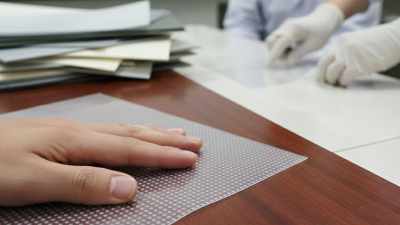
As businesses prioritize safety, Non Slip Paper Sheet stands out for its reliability. These sheets can be used in diverse environments, including restaurants, hospitals, and workshops. Their unique texture provides a sturdy grip, preventing slips and falls. For instance, in food service, using the right non-slip sheets can decrease accidents and enhance operational flow.
However, selecting the right product can be challenging. Many options exist, but not all meet the high standards necessary for effective use. Some products may not adhere well or lose their grip over time. Therefore, it is critical to analyze product specifications and user reviews carefully. This vigilance can lead to smarter purchasing decisions and ultimately safer environments.
What is Non-Slip Paper and Its Applications?
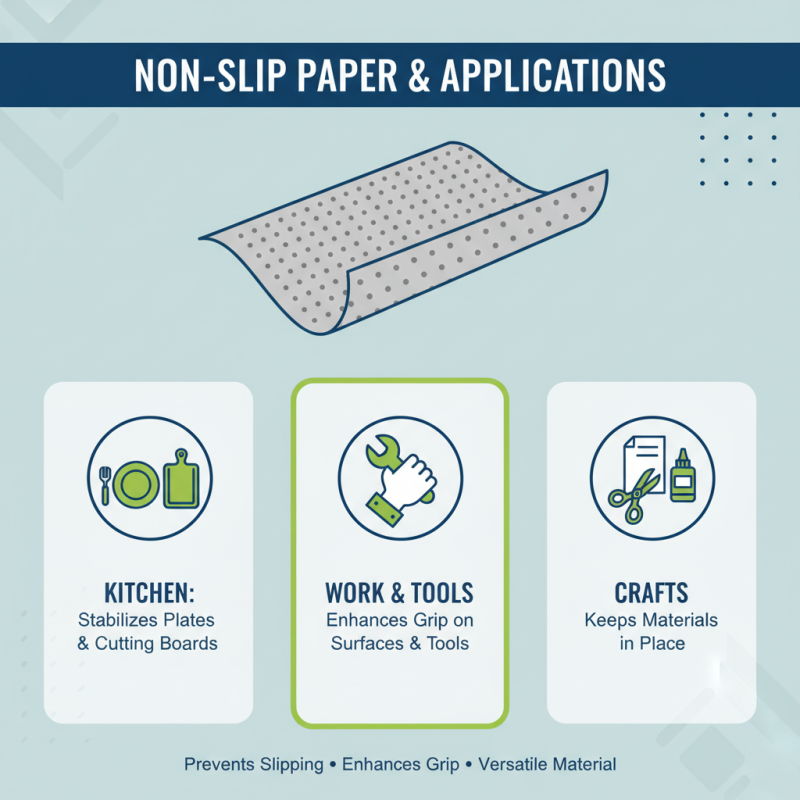
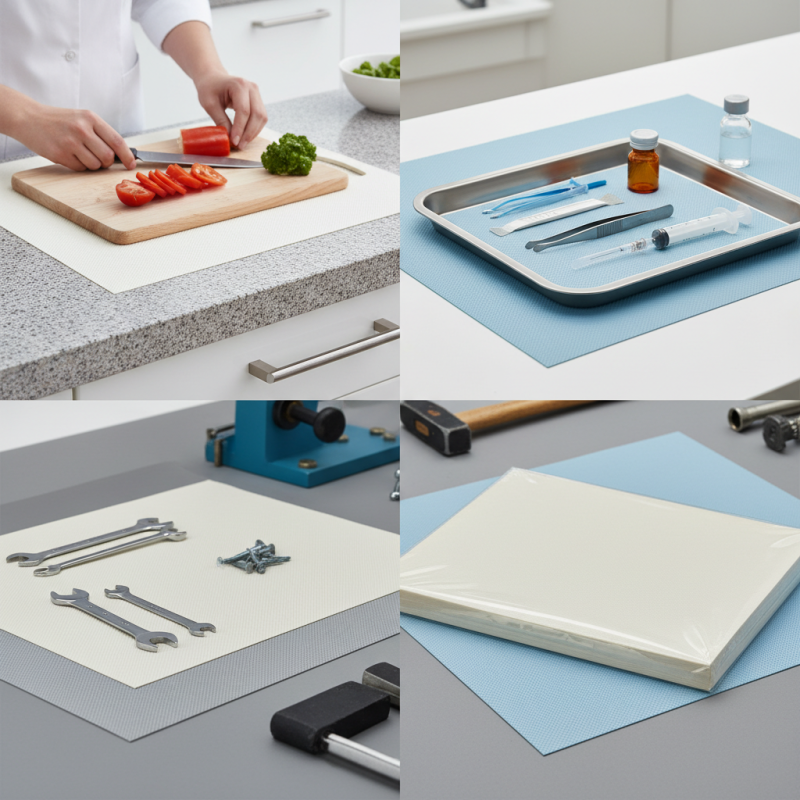
Non-slip paper is a special type of material designed to prevent slipping, making it useful in various applications. Its texture and surface properties enhance grip, whether on the floor, workbench, or even tools. Non-slip paper is often used in kitchens to stabilize plates and cutting boards. In craft projects, it helps keep materials in place while working.
This type of paper is also significant in safety protocols. Businesses use it to create safer environments by reducing accidents caused by slips and falls. In educational settings, non-slip paper can support various interactive activities. However, users must remember that not all non-slip papers provide the same level of effectiveness. Quality can vary significantly, and conditions like moisture may impact performance.
Understanding application is key. In some settings, non-slip properties may wear down faster than expected. Users need to assess how often items are used and the environment they’re in. An effective non-slip solution requires both reliable materials and user awareness.
Understanding the Benefits of Non-Slip Paper Sheets
Non-slip paper sheets have become essential tools in various industries. They provide safety and convenience by preventing slips and spills. According to a recent report by the American National Standards Institute, implementing slip-resistant materials can reduce workplace accidents by up to 30%. This statistic underscores the importance of non-slip paper sheets in both domestic and professional settings.
These sheets are particularly useful in food preparation environments. They help maintain cleanliness and organization while minimizing the risk of injuries. In laboratory settings, non-slip paper can prevent spills that lead to contamination. Such materials are designed with textured surfaces to ensure that items remain stable under pressure. But not all non-slip sheets are created equal. The choice of material and adhesion type varies greatly, often leading to confusion. Testing several options can help identify the most effective solution for your specific needs.
Tips: Always assess the surface where non-slip paper will be used. Surfaces with dust or grease may reduce the effectiveness of the sheets. It may also be helpful to check user reviews and consult safety guidelines to better understand the optimal use of these materials. Investing in quality non-slip sheets can bring long-term safety benefits.
Factors to Consider When Choosing Non-Slip Paper
When selecting non-slip paper, safety and reliability are crucial. One important factor is the coefficient of friction, which measures how well the paper can prevent slipping. Reports indicate that a higher coefficient, generally above 0.5, provides better grip under various conditions. This is particularly essential for environments like kitchens or workshops, where spills and accidents are common.
Another key consideration is the paper's durability. Non-slip papers must withstand wear and tear to be effective. Studies show that papers with stronger fibers and coatings tend to last longer, maintaining their non-slip properties for multiple uses. A rough surface can enhance grip but may also affect the durability of the material. This offers a trade-off between grip and longevity.
Lastly, the environmental impact is increasingly important. More consumers are seeking eco-friendly options. Research suggests that non-slip papers made from recycled materials can perform just as well as traditional versions. However, not all eco-friendly products meet the necessary safety standards. Thus, it's wise to verify certifications and reviews to ensure you choose a reliable option.
Top Non Slip Paper Sheet for Safe and Reliable Use
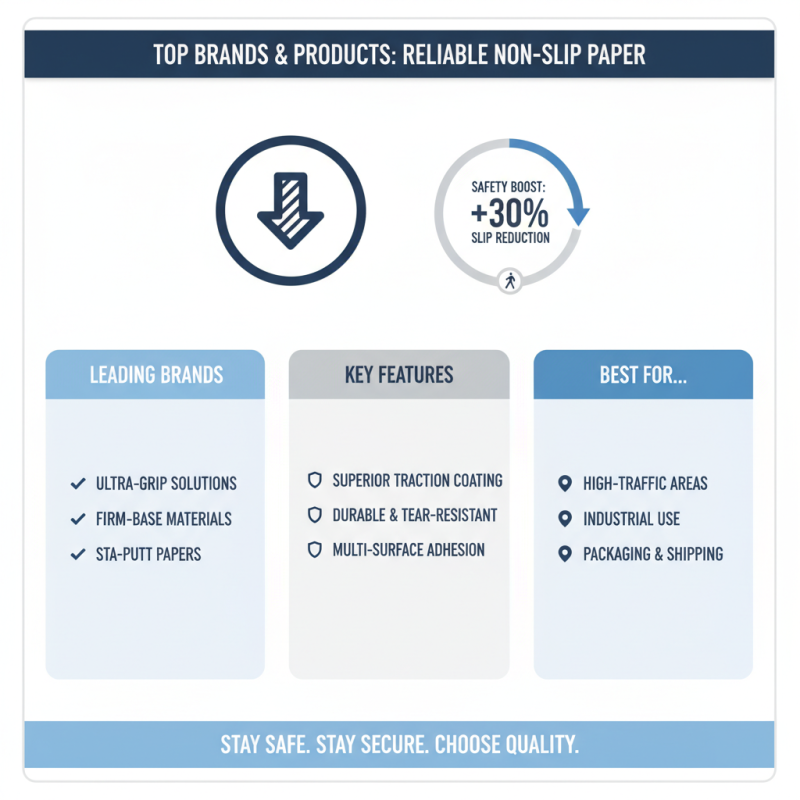
Top Brands and Products for Reliable Non-Slip Paper
Finding the right non-slip paper sheet can be a challenge. The market is filled with various options, each claiming to offer superior performance. Research from industry experts indicates that non-slip papers can reduce the risk of slips by over 30% in high-traffic areas. This statistic highlights the importance of selecting quality products for safety.
Several top brands maintain a reputation for reliability. These manufacturers focus on materials that meet safety standards and usability metrics. Recent studies show that papers with a textured surface provide better grip, especially in moist conditions. However, the durability of these products can be inconsistent. Users often find that some sheets wear out faster than others, rendering them less effective over time.
When considering non-slip paper, it’s vital to analyze user reviews and performance reports. Many consumers express dissatisfaction with certain products due to their limited stickiness or premature wear. These imperfections remind us to carefully evaluate all aspects before making a purchase. Understanding the specifics of each option will enhance user experience and ensure safety in various environments.
Care and Maintenance Tips for Non-Slip Paper Sheets
Non-slip paper sheets can greatly enhance safety in various settings. However, proper care and maintenance are vital for ensuring their effectiveness and longevity. Regular cleaning is essential. Use a soft cloth or sponge with mild soap and water. Avoid harsh chemicals that could damage the surface. Rinse thoroughly and air-dry to prevent moisture buildup. It’s recommended to check for any signs of wear or damage frequently.
Storage is equally important. Keep non-slip paper sheets in a dry, cool place. Excessive heat or humidity can affect their grip. Rolling them instead of folding can also help maintain their integrity. Some users may find that they forget these details. This oversight can decrease the lifespan of the sheets. It's crucial to establish a routine for checking condition before each use. By actively reflecting on maintenance practices, users can ensure a safer experience.
Top Non-Slip Paper Sheet for Safe and Reliable Use
| Product Type |
Material |
Size (inches) |
Durability |
Maintenance Tips |
| Grip Paper |
Polypropylene |
12 x 12 |
High |
Wipe with damp cloth |
| Foam Backed Paper |
Foam and Paper Composite |
10 x 15 |
Medium |
Avoid soaking in water |
| Textured Non-Slip Sheets |
Rubberized Coating |
18 x 24 |
Very High |
Clean with mild detergent |
| Anti-Slip Adhesive Sheets |
Adhesive and Paper |
8 x 12 |
Low |
Replace when dirty |
| Heavy-Duty Non-Slip Sheets |
Thick Vinyl |
24 x 36 |
Extreme |
Use chemical-free cleaners |