What is Pallet Edge in Supply Chain Management?
Pallet Edge represents a transformative concept in supply chain management. This approach emphasizes optimizing pallet utilization and enhancing logistics efficiency. According to a recent industry report by the Council of Supply Chain Management Professionals (CSCMP), companies effectively managing pallet use can reduce warehouse costs by as much as 15%. Such improvements are crucial in today's competitive market.
Data shows that nearly 70% of supply chain professionals struggle with inventory inconsistencies. This directly impacts their bottom line. Implementing a framework like Pallet Edge helps mitigate these issues, ensuring better alignment between inventory and transportation logistics. However, there remains a knowledge gap in how to fully leverage these strategies across industries.
In essence, the future of supply chain management hinges on solutions like Pallet Edge. Organizations must adapt and innovate to maintain efficiency. Ignoring this trend may lead to missed opportunities in a demanding marketplace. The pursuit of continuous improvement in pallet management is not just beneficial; it is essential for long-term success.
Understanding the Concept of Pallet Edge in Supply Chain Management
Pallet Edge is a vital concept in supply chain management that focuses on optimizing pallet use in logistics.
Efficient pallet utilization can significantly impact cost savings. Research highlights that improper pallet use can inflate logistics costs by up to 10%.
This is because poorly loaded pallets require more space, increasing transportation expenses.
By implementing Pallet Edge strategies, organizations can streamline their operations.
For instance, maximizing pallet heights and weights can directly lead to reduced trips and lower fuel consumption.
A study from the Council of Supply Chain Management Professionals (CSCMP) indicates that companies adopting such strategies witnessed a
15% improvement in efficiency. This improvement isn't just ideal; it's necessary for businesses striving to remain competitive.
Yet, adopting Pallet Edge isn't without challenges. Many companies struggle with consistent pallet measurements and compliance with varying retailer requirements.
These inconsistencies create bottlenecks that hinder operational flow. It's essential to reflect on these issues to devise practical solutions that advance supply chain effectiveness.
By focusing on data-driven approaches, organizations can enhance their pallet management, ultimately leading to better supply chain outcomes.
The Role of Pallet Edge in Inventory Management and Distribution
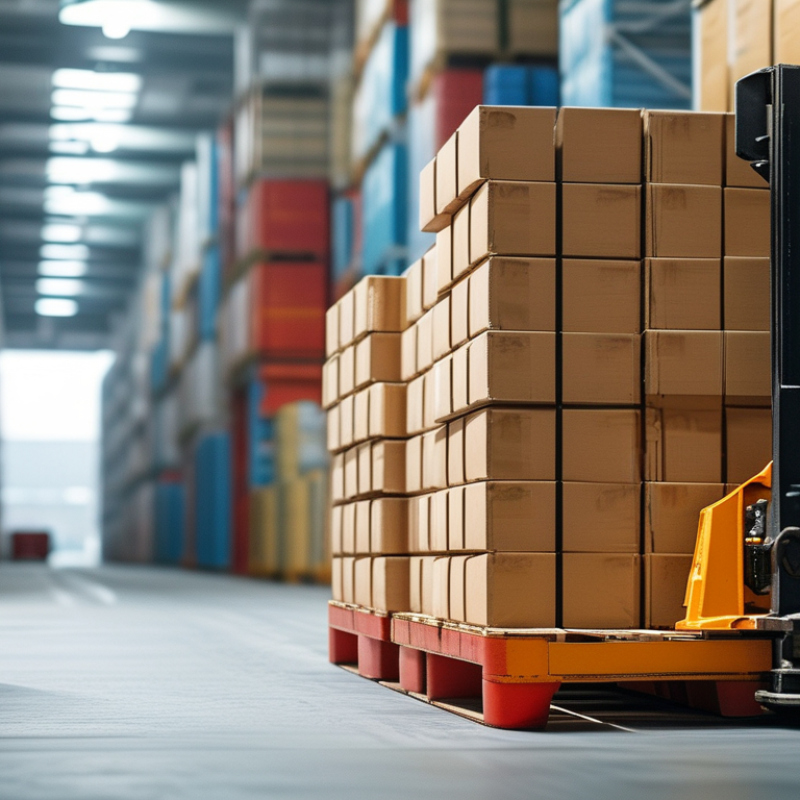
Pallet Edge plays a crucial role in inventory management and distribution. It refers to the outer edge of a pallet, which holds products securely during transport.
Understanding this aspect helps warehouses optimize space and enhance efficiency. Properly aligning products on a pallet increases stability. This prevents damage during shipping and reduces loss.
Inventory visibility is enhanced through effective use of Pallet Edge. Barcode labels can be positioned along the edge, streamlining inventory tracking. When workers scan these barcodes, they access real-time data instantly.
However, it's important to ensure that labels are durable and legible. Poor print quality can lead to scanning errors, negatively impacting inventory accuracy.
Despite its benefits, the Pallet Edge concept isn’t foolproof. Many facilities still struggle with proper alignment and weight distribution. This oversight can lead to accidents or product loss.
Regular training for staff can mitigate these issues, but not all organizations prioritize this aspect. Reflection on these challenges helps improve strategies to utilize Pallet Edge effectively.
Key Benefits of Implementing Pallet Edge Solutions
Pallet Edge solutions bring many benefits to supply chain management. These systems focus on optimizing pallet usage, reducing waste, and increasing efficiency. By implementing Pallet Edge, companies can streamline operations and enhance visibility across their supply chains.
One key advantage is improved inventory management. With Pallet Edge, businesses can track pallet locations in real-time. This reduces lost pallets and minimizes delays. Enhanced tracking also helps in better forecasting and replenishment, leading to cost savings.
Tip: Regularly train staff on using pallet management systems. This ensures everyone understands the benefits and functionalities. Knowledgeable employees contribute to smoother operations.
Another benefit is sustainability. Pallet Edge solutions often promote the reuse of pallets, which lowers the need for new materials. This not only cuts costs but also minimizes the environmental impact. Companies demonstrating commitment to sustainability can enhance their brand’s reputation.
Tip: Analyze your current pallet usage to identify inefficiencies. Small changes can significantly boost overall sustainability efforts.
Adopting Pallet Edge can transform logistics and supply chains. It’s crucial to evaluate the specific needs of your organization. Through careful consideration, you can ensure successful implementation and long-term benefits.
Challenges and Considerations in Utilizing Pallet Edge Technologies
Pallet Edge technologies are transforming logistics. However, companies face several challenges when implementing them. For instance, integrating with existing systems can be difficult. Many organizations struggle with data compatibility. This often leads to delays and confusion.
Training staff on new technology is essential. Employees may resist change, fearing they will not adapt. Investing time in comprehensive training programs can alleviate these concerns. Communication is key. Ensure everyone understands the benefits of Pallet Edge.
Tips: Start small. Pilot programs can help identify issues before a full rollout. Collect feedback regularly to refine processes. Keep an eye on emerging trends in technology. They can influence your Pallet Edge strategy. Building a culture of adaptability is vital. Encourage employees to share their thoughts and experiences to enhance overall performance.
Pallet Edge Technologies in Supply Chain Management
Future Trends and Innovations in Pallet Edge Applications
Pallet Edge technology is transforming supply chain management. As industries shift toward automation, the importance of efficient pallet management grows. According to the Supply Chain Management Review, nearly 70% of companies struggle with inventory accuracy. This highlights the pressing need for innovations in pallet edge applications.
Emerging trends focus on IoT integration. Sensors attached to pallets can monitor conditions in real-time. This provides valuable data for decision-making. Reports indicate that over 40% of logistics firms plan to adopt smart pallet solutions by 2025. However, costs and implementation challenges can hinder progress. The lack of universal standards adds to the complexity.
Blockchain also plays a vital role. It ensures transparency throughout the supply chain. A 2023 report from the Logistics Management Journal noted that 30% of companies are exploring blockchain for pallet management. While promising, the technology requires careful consideration to avoid pitfalls in data security and interoperability. Real-world applications reveal both benefits and hurdles as businesses navigate this innovative landscape.