What Are Paper Dunnage Air Bags and Why Are They Important?
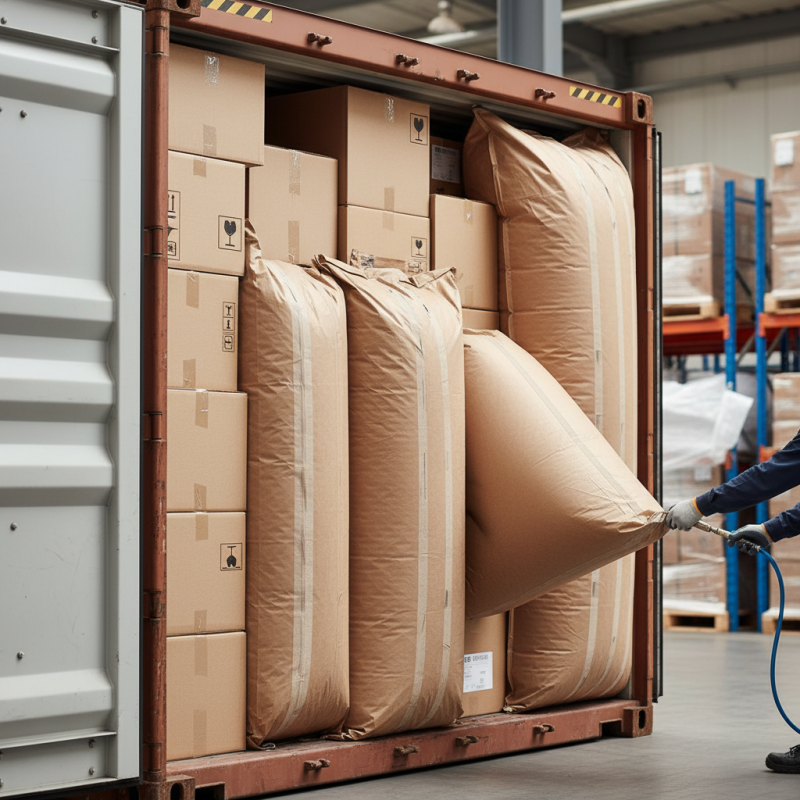
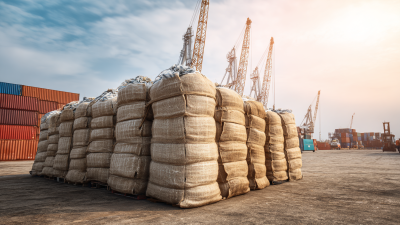
In the world of shipping and logistics, protecting cargo is crucial. One innovative solution is the use of Paper Dunnage Air Bags. These bags provide excellent support and cushioning during transport. They are designed to fill empty spaces in shipping containers, preventing movement and damage.
The importance of Paper Dunnage Air Bags cannot be overstated. They help keep goods secure, reducing the risk of product loss or damage. Imagine a fragile item shifting during transit. It could break, leading to financial losses. Using these air bags mitigates that risk. With proper use, they enhance the safety of shipments.
However, not all users understand their benefits fully. Some may overlook the correct placement of Paper Dunnage Air Bags. This can lead to ineffective cushioning. It's vital for companies to educate staff on proper usage. Neglecting this can result in costly mistakes. In the shipping industry, every detail matters.
What Are Paper Dunnage Air Bags?
Paper dunnage air bags are packaging materials designed to secure and protect cargo during transportation. These bags are filled with air and offer cushioning to prevent movement. They are lightweight yet provide substantial support. When placed between items, they help reduce the risk of damage. The simplicity of design makes them an effective choice for various shipping needs.
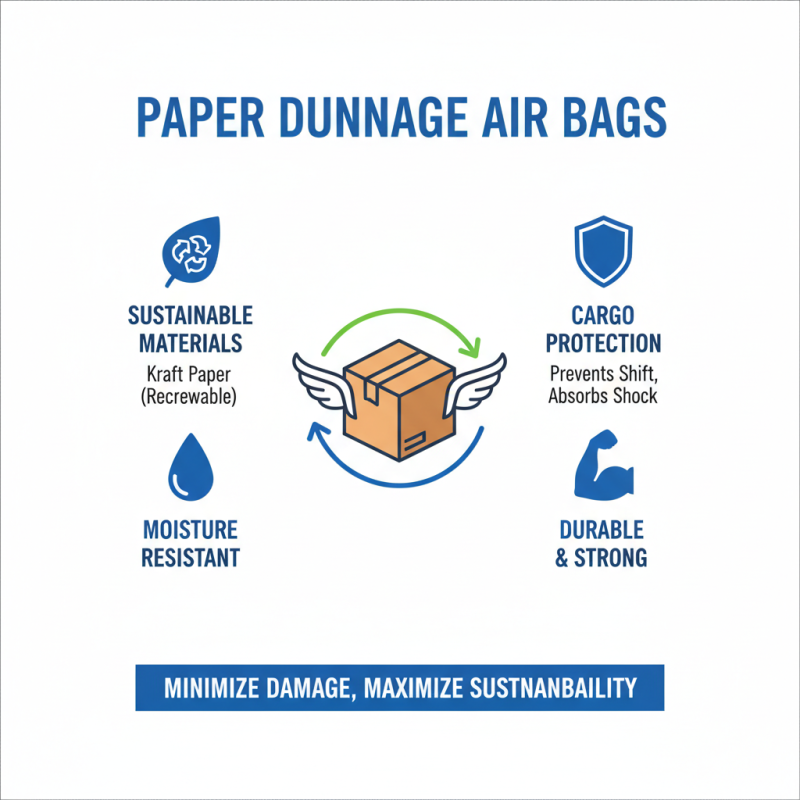
The production of paper dunnage air bags often uses recyclable materials. This aspect appeals to companies looking to reduce their environmental impact. Many businesses also appreciate their cost-effectiveness. However, their effectiveness depends on proper placement and inflation. A poorly positioned bag can lead to cargo shifting or damage. Companies should consider testing different configurations to find the best approach.
Using paper dunnage air bags can be a learning process. It’s essential to continuously evaluate their performance during transport. Not all bags perform equally under different conditions. Sometimes, adjustments are necessary to improve outcomes. These bags represent a balance of efficiency and environmental responsibility, yet they require thoughtful consideration to maximize their benefits.
Benefits of Using Paper Dunnage Air Bags in Shipping
Paper dunnage air bags are essential for secure shipping. These bags help fill empty spaces in shipping containers, preventing movement of cargo. Without proper support, items can shift and sustain damage. A simple air bag can be a game-changer, ensuring products arrive intact.
Using paper dunnage air bags offers multiple benefits. They are lightweight and recyclable, making them eco-friendly. Unlike plastic alternatives, paper provides better cushioning for fragile items. When filled with air, they create a solid barrier. This minimizes the risk of breakage during transit.
Some challenges exist with using these bags, though. They may not hold as much air as plastic options. If not inflated properly, their effectiveness decreases. Over time, users must reflect on their shipping processes to gauge performance. Despite these downsides, paper dunnage air bags remain a valuable choice for many businesses.
What Are Paper Dunnage Air Bags and Why Are They Important? - Benefits of Using Paper Dunnage Air Bags in Shipping
| Feature |
Description |
Benefits |
| Material |
Made from recycled paper, providing an eco-friendly option. |
Reduces environmental impact and promotes sustainability. |
| Puncture Resistance |
Designed to withstand punctures and tears during transportation. |
Ensures safety of cargo and minimizes damage during transit. |
| Air Inflation |
Inflated with air to provide cushioning support for cargo. |
Offers superior protection and prevents shifting during shipment. |
| Custom Sizes |
Available in various sizes to fit different cargo needs. |
Flexibility in packaging solutions for diverse products. |
| Cost-Effectiveness |
Lower costs compared to traditional dunnage materials. |
Reduces shipping costs and increases overall efficiency. |
| Ease of Use |
Quick to inflate and install, easy to handle. |
Streamlines the loading and unloading process. |
Applications of Paper Dunnage Air Bags in Different Industries
Paper dunnage air bags provide essential protection during the shipping of various products. They are crucial in multiple industries, including automotive, consumer goods, and agriculture. For the automotive sector, studies show that about 70% of damage during transport comes from movement. Paper dunnage air bags effectively stabilize parts, reducing shifting and minimizing damage risk.
In the consumer goods industry, packaging strategies are shifting. Reports indicate that efficient packaging can save companies about 25% in shipping costs. Paper dunnage air bags help achieve this by filling empty spaces in containers, ensuring products remain secure. They’re lightweight, which contributes to lower shipping expenses. Despite these benefits, companies sometimes overlook the importance of quality materials in production, which can lead to inefficiencies.
Agricultural products also rely on this technology. Transporting fragile items like fruits and vegetables poses challenges. A significant percentage of agricultural losses stem from poor handling. Implementing paper dunnage air bags can mitigate this issue. However, some businesses still opt for less effective solutions, risking product integrity. Understanding both the advantages and limitations of these bags is vital for their optimal use in various sectors.
Environmental Impact of Paper Dunnage Air Bags Compared to Alternatives
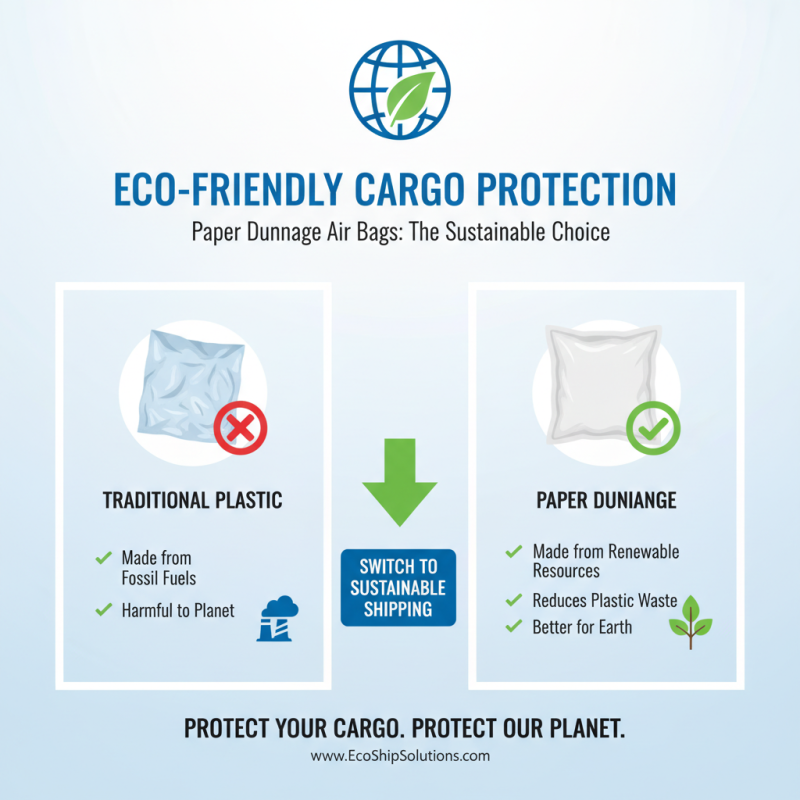
Paper dunnage air bags are eco-friendly alternatives for cargo protection. Unlike traditional plastic options, they are made from renewable resources. This makes them a better choice for those seeking sustainable solutions in shipping. Every time a shipment is made, harmful plastics can damage our planet. In contrast, using paper dunnage reduces this impact.
While paper dunnage is better for the environment, challenges remain. They can be less durable than plastic alternatives, which may lead to compromises during transport. However, they decompose naturally, leaving no harmful residue. Shipments may require additional protective measures, as they might not withstand heavy loads as effectively as plastic. Evaluating these trade-offs is essential for businesses aiming to minimize their environmental footprint.
The transition to paper dunnage is a step toward better sustainability. Yet, there is still a long way to go in optimizing their strength and reliability. Ongoing innovations are needed to enhance their performance. Every company must assess the balance between protection and environmental impact. The journey towards greener packaging practices is complex, but worth exploring.