Understanding the Role of Pp Dunnage Bags in Preventing Cargo Damage Statistics and Best Practices
 In the logistics and shipping industry, the safe transport of goods is paramount, with statistics revealing that cargo damage can cost companies millions annually. According to a report by the American National Standards Institute, an estimated 25% of cargo loss is attributed to improper packaging and securing methods. This is where the Pp Dunnage Bag plays a crucial role, acting as a protective buffer that prevents cargo movement and potential damage during transit. By filling voids and immobilizing products, Pp Dunnage Bags not only safeguard against shock and vibration but also enhance overall supply chain efficiency.
As best practices in cargo protection evolve, utilizing advanced materials and robust testing standards for Pp Dunnage Bags becomes essential for shippers aiming to minimize costs and maximize delivery integrity. Implementing these strategies can lead to a significant reduction in freight claims, ultimately underscoring the importance of effective packaging solutions in preserving cargo integrity.
Importance of Pp Dunnage Bags in Protecting Cargo During Transit
Pp dunnage bags play a crucial role in protecting cargo during transit, serving as a vital component in the logistics and shipping industry. According to a report by the Insurance Institute for Highway Safety, approximately 30% of cargo damage occurs during transportation, often due to shifting loads. Pp dunnage bags are designed to fill voids in shipping containers, stabilizing cargo and significantly reducing the risk of movement. This results in a marked decrease in the rates of cargo loss and damage, aligning with best practices recommended by the International Maritime Organization.
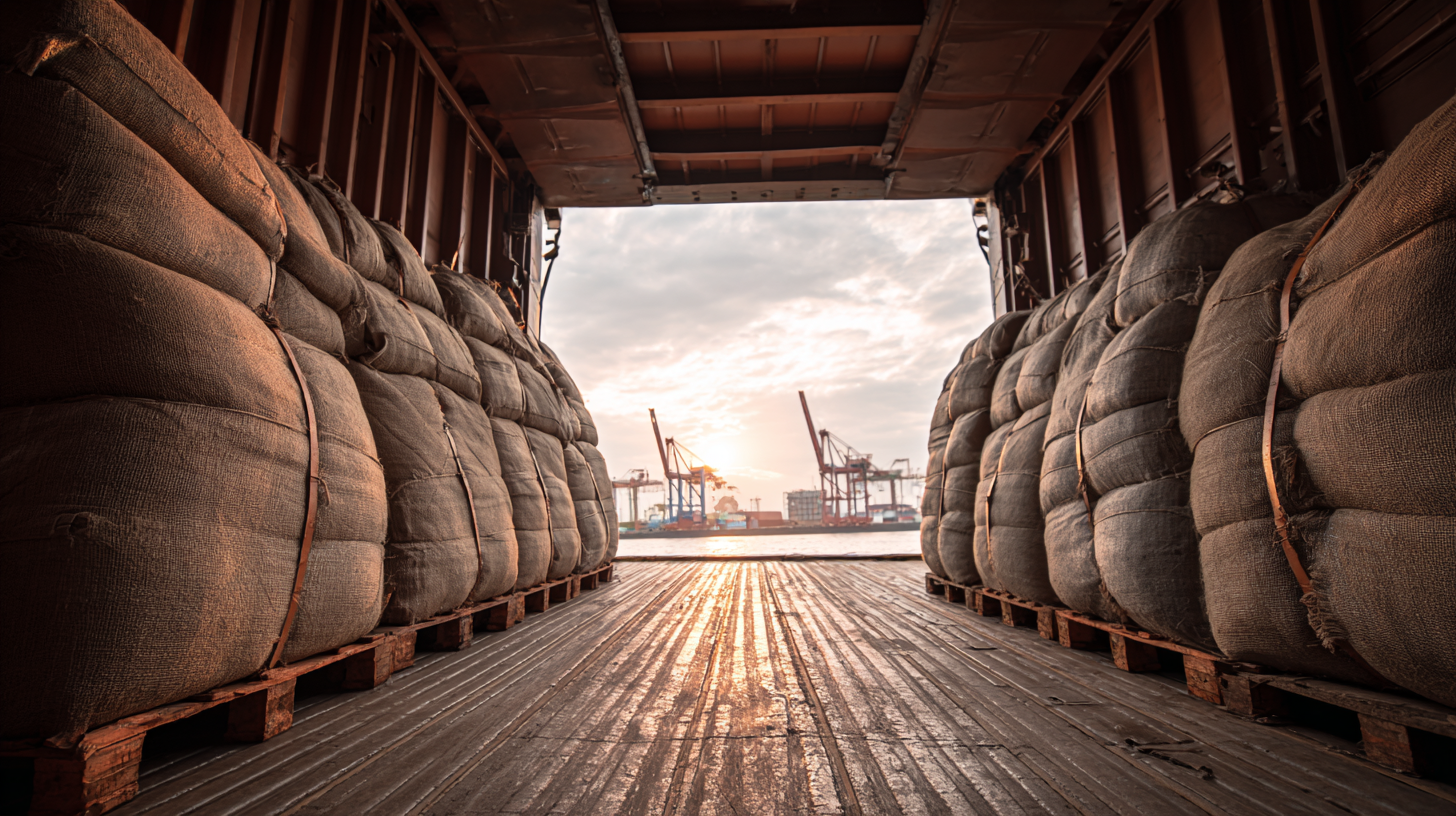
Employing pp dunnage bags not only ensures the safety of the goods but also enhances operational efficiency. The World Shipping Council states that shipper investments in protective packaging can lead to a 20-50% reduction in product damage claims. Furthermore, they are lightweight and easy to deploy, making them a cost-effective solution for various industries ranging from automotive to electronics. The adoption of these dunnage bags reflects a proactive approach to cargo protection, addressing the economic impact of shipping mishaps and improving overall supply chain reliability.
Key Statistics on Cargo Damage and the Impact of Dunnage Bags
Cargo damage has become a significant concern in the shipping industry, with industry reports indicating that approximately 10% of all goods are damaged in transit. This statistic underscores the importance of effective cargo securing solutions, such as Pp Dunnage Bags, which play a crucial role in preventing damage. By providing cushioning and stabilization for goods during transportation, these bags help mitigate the risks associated with cargo movement, including shifting and vibrational impacts.
According to a survey conducted by Cargo Security International, nearly 80% of logistics managers reported that proper dunnage significantly reduced cargo damage rates. The report suggested that implementing effective dunnage solutions can lead to up to a 30% decrease in loss claims related to cargo damage. This highlights the financial benefits of utilizing Pp Dunnage Bags, which not only protect the integrity of the shipped goods but also help companies save costs associated with damages and insurance claims. These statistics emphasize the essential role of dunnage bags in enhancing supply chain efficiency and cargo handling practices.
This chart illustrates the percentage of cargo damage incidents with and without the use of dunnage bags. It is evident that the implementation of dunnage bags significantly reduces the risk of damage during transit, highlighting their critical role in cargo protection.
Best Practices for Proper Use of Pp Dunnage Bags in Shipping
Proper use of PP dunnage bags is essential for ensuring the safe transport of goods. These inflatable bags are designed to fill voids within cargo spaces, preventing movement during transit. To maximize their effectiveness, it is crucial to select the right size and pressure for the specific cargo being shipped. Over-inflation can lead to ruptures, while under-inflation may not provide adequate support. Regularly checking the integrity of the bags prior to loading can also prevent mishaps during transport.
In addition to proper inflation techniques, correct placement of PP dunnage bags within the cargo hold is vital. They should be strategically positioned between heavy items and along the sides of the container to minimize the risk of shifting. Utilizing multiple bags to create a stable packing structure can dramatically reduce the chances of cargo damage. Regularly training staff on best practices for dunnage bag usage enhances overall safety and efficiency in shipping operations, ultimately leading to lower damage statistics and improved customer satisfaction.
Common Mistakes to Avoid When Using Dunnage Bags
When using Pp dunnage bags to secure cargo, it's crucial to avoid common mistakes that can lead to damage during transit. One frequent error is improper inflation of the bags. Over-inflation can cause the bags to burst, while under-inflation may not provide adequate support. Always ensure the bags are inflated according to the manufacturer's specifications for optimal protection.
Another mistake to watch out for is neglecting to inspect the cargo load before installation. Not all loads are uniform, and uneven weight distribution can compromise the effectiveness of dunnage bags. Always assess the cargo configuration and adjust the placement of the bags to maintain balance.
**Tips:**
1. Regularly check the integrity of dunnage bags for any signs of wear or damage before each use.
2. Consider using multiple smaller bags rather than one large bag to better adapt to the shape of the cargo and provide enhanced stability.
3. Train your staff on the correct installation and monitoring techniques to ensure that the dunnage bags are used effectively throughout the transportation process.
Understanding the Role of Pp Dunnage Bags in Preventing Cargo Damage Statistics and Best Practices
| Common Mistakes |
Statistics (%) |
Best Practices |
| Improper Inflation |
35 |
Ensure correct pressure based on load specifications |
| Using Incorrect Size |
25 |
Select dunnage bags that fit the cargo dimensions |
| Not Securing Properly |
30 |
Utilize multiple bags for stability |
| Ignoring Environmental Conditions |
20 |
Consider temperature and moisture when selecting bags |
| Failure to Inspect Before Use |
15 |
Inspect bags for integrity and signs of damage |
Innovative Techniques to Enhance Cargo Security with Dunnage Bags
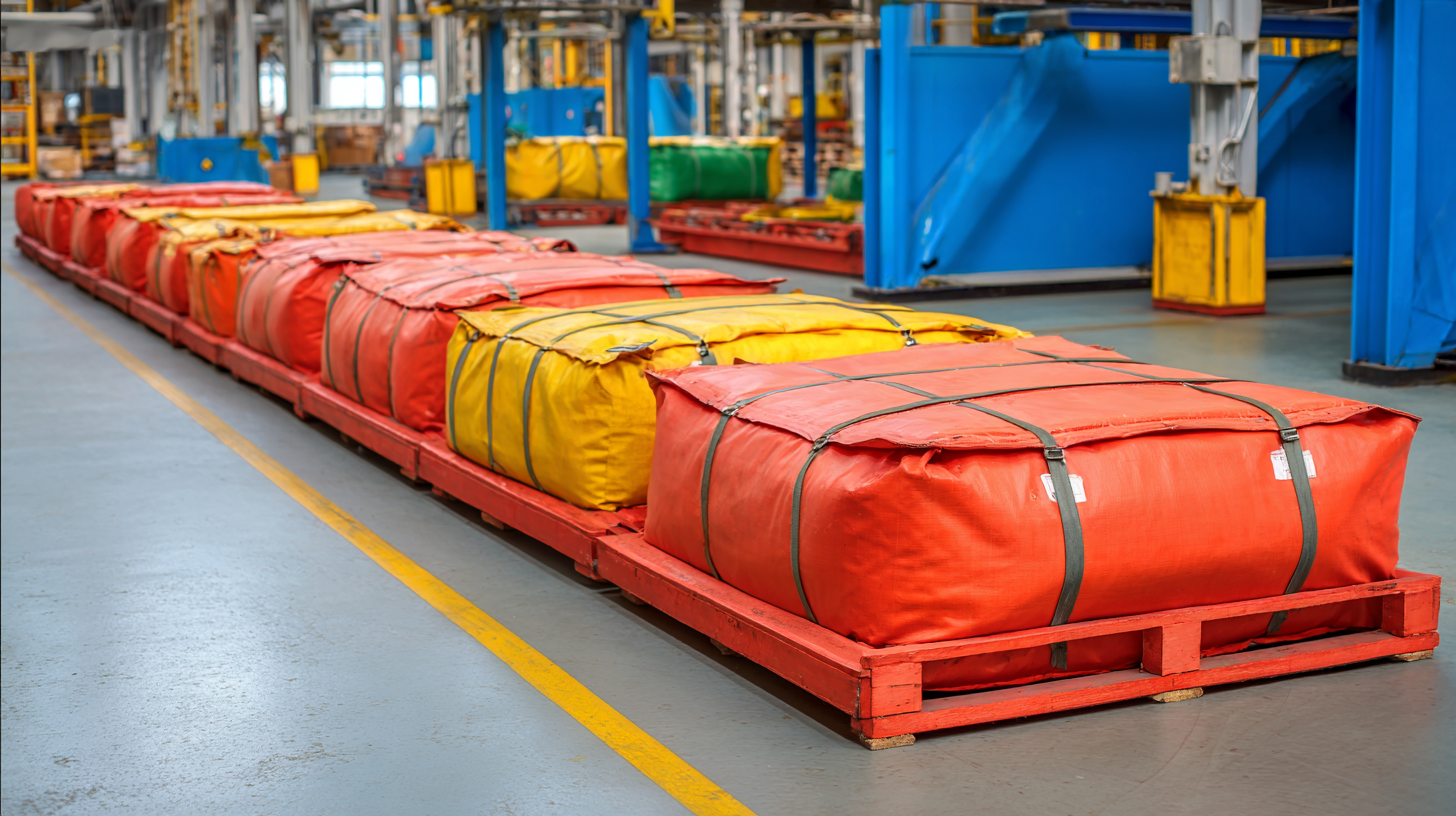 Dunnage bags have emerged as an innovative solution to enhance cargo security and mitigate potential damage during transport. These inflatable bags create a cushion of air that fills empty spaces in shipping containers and vehicles, effectively stabilizing cargo. By utilizing dunnage bags, shippers can significantly reduce the risk of cargo shifting, which is a common cause of damage during transit. The strategic placement of these bags allows for optimal load distribution, ensuring that heavy items remain securely packed and minimizing the likelihood of collisions.
Moreover, recent advancements in dunnage bag technology have introduced features that further bolster their efficiency. For instance, some bags are now equipped with anti-static materials that help prevent static electricity issues, which can affect sensitive electronic goods. Other innovations include enhanced durability materials that withstand rough handling and extreme environmental conditions, making them suitable for various cargo types. By adopting these best practices, companies can not only protect their shipments but also reduce overall costs associated with cargo damage and losses. Embracing dunnage bags as a standard practice proves essential for modern logistics operations focused on securing cargo integrity.