What is a Safety Cargo Net and How Does it Work?
In the transportation industry, the need for safety is paramount. A Safety Cargo Net plays a crucial role in securing loads during transit. According to the National Highway Traffic Safety Administration, improper cargo handling causes thousands of accidents each year. Reports indicate that nearly 11,000 injuries occur from shifting loads. A Safety Cargo Net can significantly reduce these incidents by keeping cargo in place.
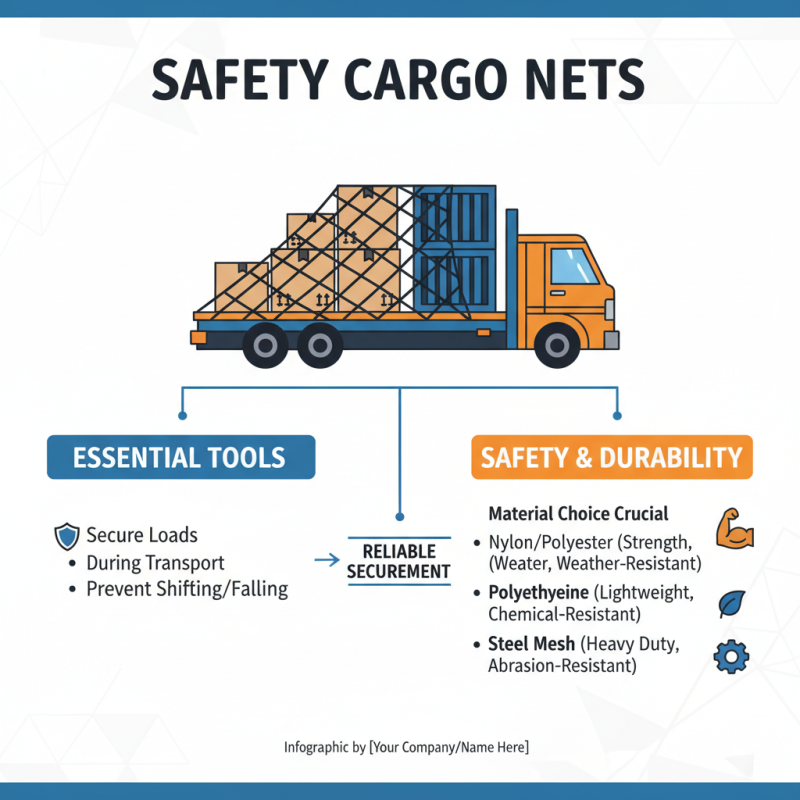
Using a Safety Cargo Net ensures that items do not shift or fall during transport. This prevents potential damages and injuries. Various industries utilize these nets, from logistics to construction. However, not all nets are created equal. Some may not meet required safety standards. This raises questions about their effectiveness and reliability.
Despite the advantages, some users overlook proper installation. Neglecting this step can lead to serious safety risks. It's vital to understand that even minor errors can have major consequences. The safety of cargo is not something to take lightly. Companies should invest time in selecting the right Safety Cargo Net. It is essential for securing loads and protecting lives.

Definition and Purpose of Safety Cargo Nets
Safety cargo nets are vital tools in the transportation and logistics sector. These nets are designed to secure cargo during transit. They prevent items from shifting, falling, or being damaged. According to industry reports, nearly 30% of cargo damage results from inadequate securing measures. This highlights the necessity of using cargo nets effectively.
The purpose of safety cargo nets extends beyond simple containment. They enhance safety for both workers and bystanders. For example, in a study conducted by the Occupational Safety and Health Administration (OSHA), the use of cargo nets reduced accidents related to cargo handling by 40%. These nets are typically constructed from durable materials, such as high-tensile webbing. This ensures they withstand the rigors of transportation.
However, despite their effectiveness, improper usage remains a concern. Many workers lack training on net installation. This can lead to ineffective securing and potential hazards. It’s clear that while safety cargo nets are essential, understanding their proper application is crucial for maximizing safety and efficiency in cargo handling.
Safety Cargo Nets Usage Statistics
Mechanisms of Action: How Safety Cargo Nets Work
Safety cargo nets play a vital role in transportation. They prevent loads from shifting, thereby reducing accidents. These nets are constructed from durable materials like polypropylene or nylon. They are designed to withstand heavy weights and harsh weather conditions.
The mechanism of action relies on tension and distribution of force. When a load is secured by a cargo net, the mesh design allows for even weight distribution. This helps minimize the risk of items falling during transit. According to industry reports, cargo nets can reduce cargo-related accidents by up to 30%. It’s crucial to adhere to the manufacturer’s weight limits for optimal performance.
Tip: Always inspect your cargo net for signs of wear. Regular checks can prevent potential failures. A small tear can compromise the net's integrity. Additionally, ensure proper attachment points on your vehicle to maintain maximum stability.
Beyond load security, these nets can also facilitate efficient unloading. They prevent items from spilling over the edges. However, improper use or crafting can lead to serious safety issues. Training on securing loads is essential for all personnel involved.
Applications of Safety Cargo Nets in Various Industries
Safety cargo nets play a crucial role in various industries. These nets help secure loads during transport. They are especially important in logistics and construction. In shipping, they prevent cargo from shifting. This reduces damage and enhances safety for workers. A well-placed net can make a significant difference.
In construction, workers often use safety cargo nets to catch falling materials. This minimizes risks on site. It supports compliance with safety regulations. However, relying solely on nets isn't enough. Regular inspections are essential. Workers must be trained to use them effectively. Proper training can help prevent accidents.
In the military and aviation sectors, safety cargo nets ensure that equipment remains secure during transport. They allow for safe aerial drops. The consequences of improper usage can be severe. A missed detail may lead to accidents. Continuous improvement and assessment are required. Industries must constantly evaluate their safety practices.
Safety Standards and Regulations for Cargo Nets
Cargo nets play a crucial role in securing goods during transportation. These nets must comply with specific safety standards and regulations. Various organizations provide guidelines to ensure cargo nets can withstand the rigors of transport and protect both cargo and personnel. Understanding these standards is vital for manufacturers and users alike.
In many regions, cargo nets must adhere to established material strength specifications. The nets should be made from durable materials that can endure heavy loads and harsh conditions. Regular inspections are also essential. A worn-out net can lead to accidents. Identifying potential weak points is necessary to maintain safety.
The regulation process can sometimes seem overwhelming. Some users may overlook minor details. However, these details can significantly impact safety. Following guidelines not only protects cargo but also ensures compliance with legal requirements. Adhering to safety standards is not just a checkbox; it’s a commitment to the well-being of everyone involved in the transport process.