What are Slip Sheets and How Do They Benefit Your Business?
In the ever-evolving logistics landscape, "Slip Sheets" are gaining attention. These thin sheets serve as a lightweight alternative to traditional pallets. According to industry expert John Smith, “Slip Sheets revolutionize efficiency by reducing weight and space.” Businesses that adopt slip sheets can benefit significantly.
The design of slip sheets allows for easier stacking and handling. Their compact nature can lead to lower shipping costs. However, not all businesses are aware of the potential they hold. Some may struggle to integrate this technology into existing operations or worry about switching equipment.
Yet, the advantages often outweigh the challenges. Companies that embrace slip sheets can enhance their supply chain. They may find opportunities to save costs and improve logistics. Slip sheets can transform how products are moved, but businesses must be open to change. In this fast-paced market, relying solely on traditional methods might hinder growth.
What Are Slip Sheets: Definition and Overview
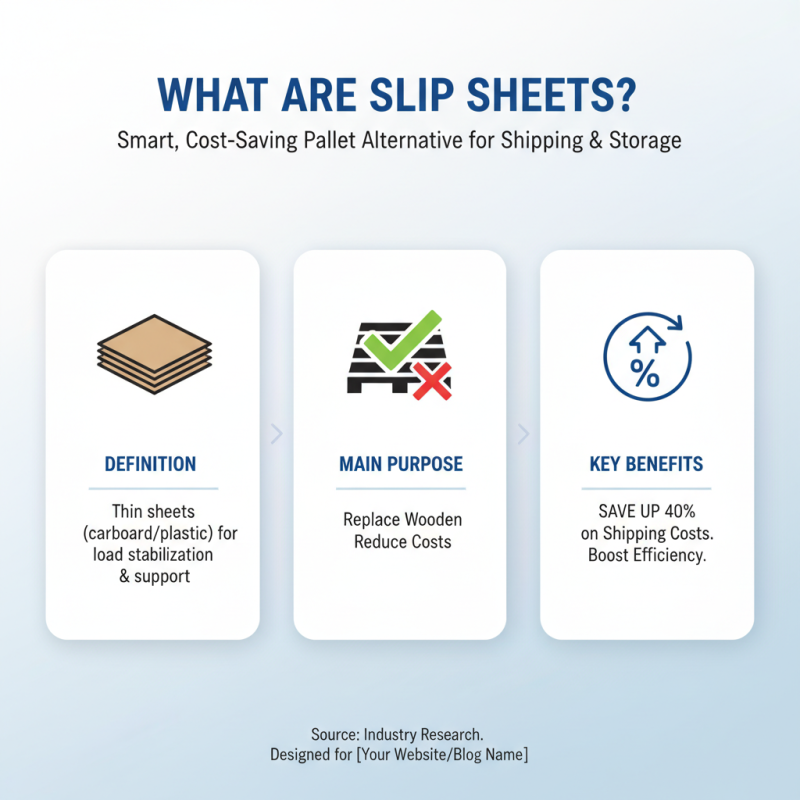
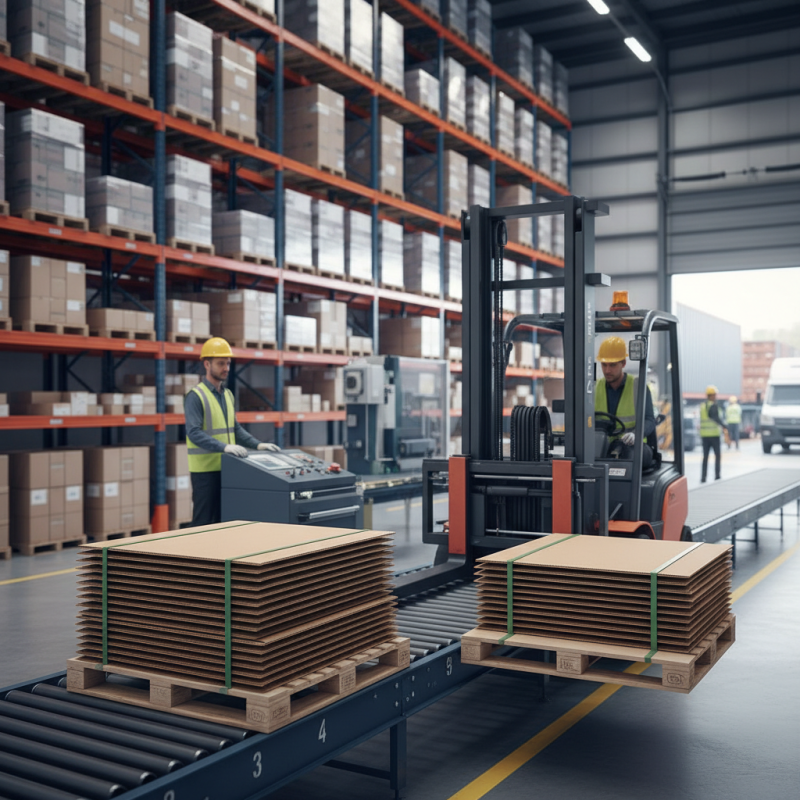
Slip sheets are thin sheets designed for load stabilization and support during shipping and storage. These sheets are typically made from corrugated cardboard or plastic. Their main purpose is to replace wooden pallets, reducing costs associated with shipping and storage. Research shows that using slip sheets can lower shipping costs by up to 40%. This is crucial for businesses looking to save without sacrificing efficiency.
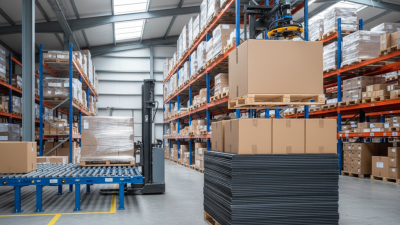
With slip sheets, businesses can optimize their storage space. They are significantly thinner than pallets, allowing for more efficient stacking. The average slip sheet is less than a quarter of an inch thick, compared to a typical pallet that stands several inches high. This allows companies to increase capacity significantly. According to industry reports, companies using slip sheets can add 25% more load per truck, improving transportation efficiencies.
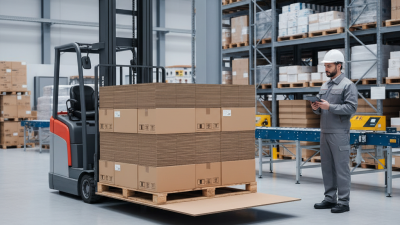
However, transitioning to slip sheets can pose challenges. Not all employees may be trained in their usage, leading to potential operational hiccups. Companies might also need to invest in new equipment, such as specialized forklifts. These factors must be carefully evaluated. Mistakes during the transition can lead to increased costs and disruptions in the supply chain. Proper training and planning are essential for a successful integration of slip sheets into existing logistics operations.
The Materials Used in Manufacturing Slip Sheets
Slip sheets are becoming a preferred alternative to traditional pallets in many industries. These flat sheets are typically made from materials like cardboard or plastic. They provide a lightweight and cost-effective solution for transporting goods. According to industry reports, using slip sheets can reduce shipping costs by up to 50%. Their lower weight contributes to savings on freight.
Cardboard slip sheets are generally made from recycled materials. This choice supports eco-friendly practices in supply chain management. Plastic slip sheets are durable and resistant to moisture. They can outperform cardboard in some environments. However, while plastic options are more robust, they may not always be recyclable.
Tip: Consider the environment. When choosing slip sheets, weigh the sustainability of materials against your company's values. Regularly assess supplier options for better materials to ensure compliance with environmental standards.
It's crucial to understand that not all slip sheets are suitable for every application. While some may fit well with standard racking systems, others could lead to mishandling. Test different materials and designs in your specific context. This evaluation can prevent damage and increase operational efficiency.
What are Slip Sheets and How Do They Benefit Your Business? - The Materials Used in Manufacturing Slip Sheets
| Material |
Thickness (mm) |
Weight (kg per 100 sheets) |
Recyclable |
Common Applications |
| Polyethylene (PE) |
0.5 |
7.5 |
Yes |
Food & Beverage, Pharmaceuticals |
| Polypropylene (PP) |
0.4 |
6.5 |
Yes |
Electronics, Automotive Parts |
| Cardboard |
1.0 |
10.0 |
Yes |
Retail, Consumer Goods |
| Fiberboard |
0.8 |
9.0 |
Yes |
Building Materials, Furniture |
| Aluminum |
0.3 |
5.0 |
Yes |
Heavy-Duty Applications, Machinery |
How Slip Sheets Improve Shipping Efficiency
Slip sheets are becoming increasingly popular in the shipping industry. They serve as a cost-effective alternative to traditional pallets. These thin sheets, made from materials such as cardboard or plastic, reduce weight and space. According to a report by the Packaging Association, companies can save up to 50% on shipping costs by using slip sheets.
The use of slip sheets can greatly enhance shipping efficiency. They allow for tighter stacking in trucks and containers. This optimized use of space reduces the number of trips needed for transport. In fact, industry reports suggest that businesses can increase their load capacity by up to 30% when switching to slip sheets. That means fewer vehicles on the road, reducing carbon emissions.
Despite these advantages, some companies still hesitate to adopt slip sheets. Concerns about handling and compatibility with existing systems are common. Companies must evaluate if their current equipment can accommodate slip sheets effectively. Transitioning to slip sheets may reveal inefficiencies, requiring process adjustments. Addressing these challenges is crucial for maximizing the benefits of slip sheet usage in shipping operations.
Implementing Slip Sheets in Your Business Operations
Implementing slip sheets in your business operations can streamline logistics and reduce costs. According to a report by the Material Handling Industry, companies that adopt slip sheets can see up to a 30% reduction in shipping costs. This reduction primarily occurs because slip sheets are lighter and require less space than traditional pallets. As a result, more items can fit into shipping containers.
However, transitioning to slip sheets may not be seamless. Employees might require training to handle this new system effectively. Some businesses report a temporary decline in efficiency during the adjustment period. Frequent communication and feedback loops can help identify challenges and improve the implementation process. Additionally, ensuring compatibility with existing equipment is crucial. Some forklifts may need modifications to use slip sheets properly.
Data from the Warehouse Education and Research Council indicates that companies using slip sheets have improved inventory accuracy by 20%. This enhancement leads to fewer errors in order fulfillment and increased customer satisfaction. Despite these benefits, businesses must weigh the initial investment against potential savings. Assessing whether slip sheets align with specific operational needs is vital before making changes.