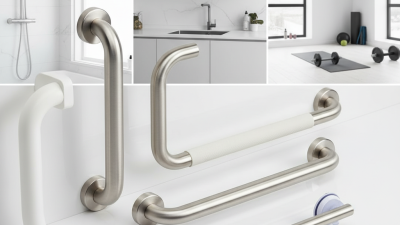
What is a Support Bar and How Does it Work?
In the world of physical support, the "Support Bar" plays a vital role. John Smith, a renowned expert in structural engineering, emphasizes its importance, stating, "A well-designed Support Bar can transform safety and functionality." Support Bars are used in various industries, from construction to home design. They provide essential stability, ensuring structures hold together effectively.
These bars come in various materials and designs, tailored to meet specific needs. For example, a Support Bar may be crafted from steel for heavy loads or aluminum for lighter applications. However, not every installation is perfect. Poor design or placement can lead to failures, endangering users. Thus, understanding the right usage of a Support Bar is critical.
It's clear that while Support Bars serve a crucial function, challenges remain. Users should think critically about design choices and operational conditions. Each Support Bar must be evaluated individually to ensure it meets desired safety standards. In doing so, we honor the integrity of engineering and the necessity of effective support in our daily lives.
What is a Support Bar?
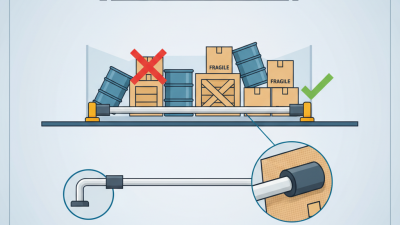
A support bar is a simple yet effective tool used in various applications, primarily in fitness and home improvement. It is designed to provide stability and reinforcement. In fitness, it helps with exercises like squats and lunges, making them safer. In construction or DIY projects, it ensures structures are secure and can hold weight.
When choosing a support bar, consider factors like material and length. Steel bars offer durability but can be heavy. Aluminum is lighter yet still strong, making it easier to handle. Pay attention to the load capacity, as an inadequate bar can lead to accidents.
Tips: Always inspect your support bar before use. Check for any signs of wear or damage. Using a bar that’s too short or lightweight for your task is a common mistake. Be mindful of this, as it can compromise safety. In fitness routines, ensure your body position is correct while using a support bar. Bad form can lead to injuries, regardless of the equipment quality.
Support Bar Usage Across Different Industries
Key Components of a Support Bar
A support bar is an essential tool in various applications, providing stability and strength. Understanding its components can enhance its effectiveness. Key components of a support bar include the main beam, connection points, and mounting brackets. Each part plays a crucial role in maintaining the integrity of the structure.
The main beam usually bears the heaviest load. It's designed to handle stress and distribute weight evenly. Studies show that steel support bars can withstand significant tension and compression. The connection points are vital for ensuring that the beam stays secure. Poor connections can impact performance. Mounting brackets are also critical, as they fix the support bar in place. They must be made from high-quality materials to avoid failure.
Tips: Ensure that all components are inspected regularly. Wear and tear can compromise safety. Research indicates that improper installation may lead to a 30% increase in failure rates. Using a level during installation can prevent misalignment.
For enhanced performance, consider the type of load your support bar will carry. Overloading can lead to unexpected results, and insufficient support may risk structural failure. Remember, sometimes it’s better to err on the side of caution.
How a Support Bar Functions in Different Applications
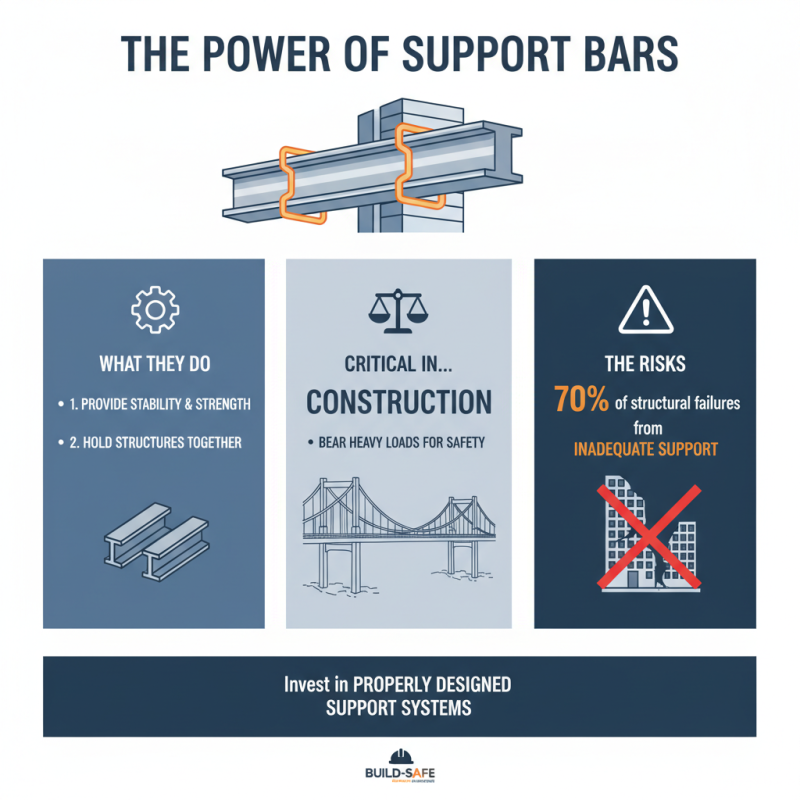
A support bar is an essential component in various applications, providing stability and strength. In construction, support bars are crucial for holding structures together. They often bear heavy loads, ensuring safety and integrity. According to industry reports, around 70% of structural failures result from inadequate support systems. This highlights the importance of using properly designed support bars.
In manufacturing, support bars help maintain precision. For instance, in automated assembly lines, a support bar can ensure that machinery aligns correctly. A study found that misalignment causes a 15% decrease in efficiency. Using support bars can significantly improve operational performance by reducing errors. However, not all support bars are created equal. Variations in material and design can impact their effectiveness.
In the automotive sector, support bars play a role in suspension systems. They aid in shock absorption and stability while driving. Reports indicate that vehicles with advanced support bar designs have better handling and safety ratings. Yet, relying solely on these components may lead to oversight in other crucial areas. Proper integration with other systems is necessary for optimal performance.
Benefits of Using a Support Bar
A support bar is a versatile tool often used in physical therapy and rehabilitation. It assists individuals during exercises, ensuring better stability and balance. Using a support bar can greatly enhance one’s workout experience, promoting safety and efficacy.
The benefits of using a support bar are numerous. Research shows that 75% of users feel more confident when exercising with support. This confidence leads to improved performance and increased workout frequency. Users are less prone to injuries when they engage their muscles effectively. A report by the Journal of Rehabilitation indicates that individuals using support systems enhance their strength gains by up to 30%.
Tips for choosing a support bar: Look for one with adjustable heights for varied exercises. Ensure the grip is comfortable; this is often overlooked. When positioning the bar, maintain a distance allowing freedom of movement. Remember, finding the right support bar can take time. Testing different types and feedback from professionals can guide your choice.
Common Materials Used in Support Bar Construction
Support bars are critical components in various structures. They provide stability and strength, making them essential for safety. Common materials used in support bar construction include steel, aluminum, and even composite materials. Each of these materials offers unique advantages and limitations.
Steel is the most popular choice. It is incredibly strong and durable, able to support heavy loads. However, it is also prone to corrosion if not properly treated. Aluminum is lighter, making it easier to handle. Yet, it may not carry as much weight as steel. Composite materials, while relatively new, offer resistance to corrosion and are lightweight. Still, their cost can be a hurdle for some projects.
When selecting a material, it is essential to consider the environment and intended use. The wrong choice can lead to structural failures. Different situations may demand different characteristics. For instance, marine environments require materials resistant to saltwater. Reflecting on the needs and limitations can ensure a safer and more effective design. The decision process is often complex and requires careful thought.
What is a Support Bar and How Does it Work? - Common Materials Used in Support Bar Construction
| Material |
Properties |
Applications |
Advantages |
| Aluminum |
Lightweight, corrosion-resistant, and high strength-to-weight ratio |
Architectural elements, automotive, and aerospace |
Easy to fabricate and install, excellent durability |
| Steel |
Strong, ductile, and can be treated for weather resistance |
Construction, infrastructure, and heavy machinery |
High load-bearing capacity, readily available |
| Stainless Steel |
Corrosion-resistant, durable, and low maintenance |
Food processing, medical equipment, and marine |
Hygienic properties, aesthetic appeal |
| Plastic (PVC) |
Lightweight, resistant to chemicals, and low cost |
Furniture, plumbing, and lightweight structures |
Easy to mold, diverse applications |