As the 2026 Canton Fair approaches, industry experts anticipate significant trends in the HDPE sheet market. James Thompson, a leading expert in plastic manufacturing, commented, "Innovation in HDPE sheets is essential for adaptation in various industries." This perspective highlights the dynamic nature of the sector.
The Canton Fair, held from April 15 to May 5, showcases advanced materials. This year, attendees can expect to see cutting-edge HDPE sheet products that align with sustainability goals. Supply chain efficiency is critical. The integration of AI in the fair enhances the buyer’s experience. It allows for quick vendor identification based on certifications, such as ISO and CE.
Despite the positive outlook, challenges remain. Buyers might struggle with the overwhelming options available. Navigating through 1.55 million square meters of exhibits is no small feat. The quest for quality and innovation continues. Reflecting on these factors will help shape the future of HDPE sheets. The fair aims to bridge gaps, but it also requires buyers to adapt and evolve in their procurement strategies.
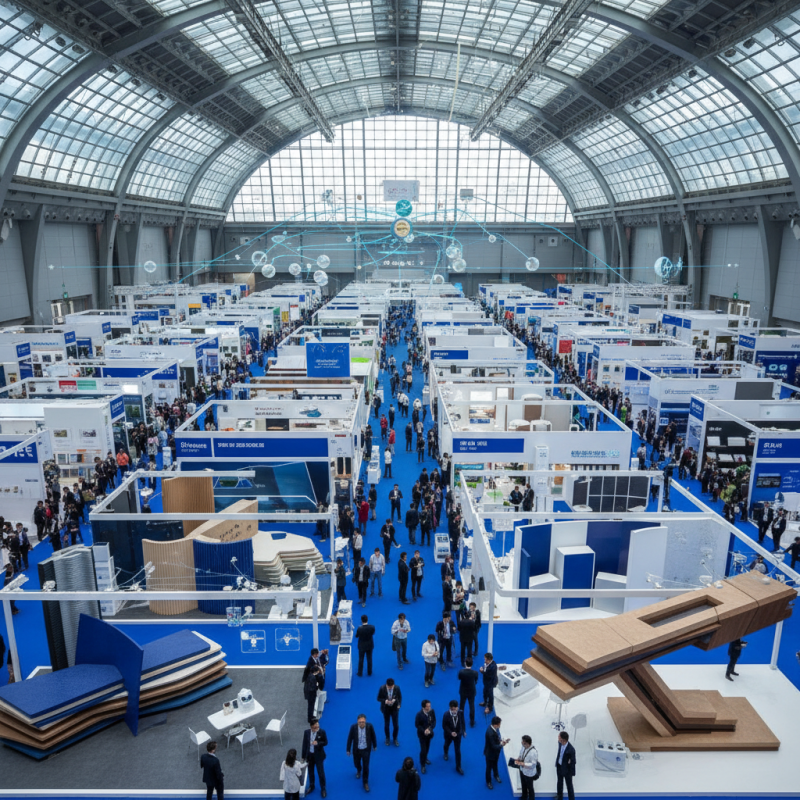
The 2026 Canton Fair is set to showcase a variety of emerging applications for high-density polyethylene (HDPE) sheets. Buyers can expect innovations in sectors like construction, packaging, and agriculture. A recent industry report highlighted that demand for HDPE is projected to increase by 5% annually through 2028. This growth is driven by its versatility and durability.
In the construction sector, HDPE sheets are gaining traction for waterproofing and insulation. They provide optimal protection against moisture and are lightweight. Meanwhile, in packaging, eco-friendly initiatives push for the use of HDPE to reduce plastic waste. A staggering 30% of packaging solutions are now expected to incorporate recyclable materials by 2026.
Tips for buyers: Consider adopting HDPE sheets for unique landscaping projects. Their UV resistance can extend product lifespan. Also, don't overlook the importance of supply chain partnerships. Ensuring a reliable source can minimize delays. Some buyers might miss this key detail, leading to missed opportunities. Stay informed about the latest trends, and don't hesitate to ask exhibitors about their product innovations.
At the 2026 Canton Fair, innovative manufacturing techniques for HDPE sheets were prominently featured. These techniques aim to enhance efficiency and sustainability in production. Many exhibitors showcased advanced methods that minimize waste. The focus was on improving the overall quality of the sheets while reducing environmental impact.
One interesting trend was the incorporation of automation in the production process. Machines with AI capabilities were demonstrated, showcasing precise cuts and reduced labor costs. Additionally, some manufacturers experimented with biodegradable additives in HDPE. This sparked curiosity among buyers. However, questions about durability and performance lingered.
Another highlight was the emphasis on customization. Buyers expressed interest in tailored solutions for various applications. Many manufacturers were open to feedback, eager to refine their offerings. This dynamic interaction was refreshing yet highlighted the gap in understanding market needs. It feels like a promising journey, but the challenge remains in balancing innovation with practicality.
Sustainability is reshaping the HDPE sheet industry significantly. Reports indicate that the global demand for sustainable materials is growing. In 2022 alone, the market for environmentally friendly plastics surged by 18%. Buyers at the 2026 Canton Fair will encounter various eco-friendly HDPE sheet options. Production processes are evolving to prioritize recycled content, reducing waste.
A recent industry survey highlighted that 65% of buyers prefer products with clear sustainability credentials. This shift is not just a trend; it reflects consumer values. Many manufacturers are adopting life cycle assessments to improve product sustainability. However, challenges persist. Some manufacturers struggle to source high-quality recycled materials. This scarcity can inflate costs and affect quality.
Moreover, innovative designs are becoming more prevalent. Engineers are experimenting with bio-based additives to enhance HDPE’s functionality. These developments can improve durability while minimizing environmental impact. Yet, the balance between performance and sustainability remains hard to achieve. Buyers must navigate these complexities carefully. They must consider both immediate needs and long-term environmental effects in their purchasing decisions.
| Trend | Description | Impact on Sustainability | Projected Market Growth (%) |
|---|---|---|---|
| Recycled HDPE Utilization | Increased focus on using post-consumer recycled HDPE | Reduces landfill waste and conserves natural resources | 15% |
| Biodegradable Additives | Incorporation of additives that aid in decomposition | Minimizes environmental impact post-use | 10% |
| Lightweight HDPE Sheets | Development of thinner yet durable sheets | Lower transportation costs and energy use | 12% |
| Customizable Designs | Ability to create tailor-made sheets for specific applications | Enhances functionality and product lifespan | 8% |
| Thermal and UV Resistance | Improved resistance to heat and sunlight exposure | Increases durability and reduces replacement frequency | 14% |
| Enhanced Recycling Programs | Partnerships to boost collection and processing of HDPE | Supports circular economy initiatives | 20% |
| Specialty HDPE for Critical Applications | Materials designed for medical, food, and hazardous uses | Ensures safety and compliance with environmental standards | 18% |
| Smart HDPE Technology | Integration of IoT for monitoring and managing applications | Facilitates efficient resource management | 25% |
| Collaborative Sustainability Initiatives | Joint ventures between producers for eco-friendly practices | Promotes shared responsibility and innovation | 30% |
| User Education Programs | Efforts to educate consumers on recycling and product use | Increases responsible use and disposal | 5% |
The HDPE sheet market is evolving rapidly, especially as the 2026 Canton Fair approaches. Key players are focusing on innovation and sustainability as their main strategies. According to market reports, the demand for recyclable HDPE sheets is predicted to grow by 15% annually. This indicates a growing trend towards eco-friendly materials in various industries.
The competition among manufacturers is intense. Emerging brands are adopting advanced technologies to produce lighter and stronger sheets. A recent study found that 30% of buyers prioritize durability over cost. This shift reflects changing consumer expectations and a focus on performance, which can push market dynamics in unexpected ways.
Tips: Always verify the sheets’ specifications before making a purchase. Performance is paramount, but pricing also matters. Keep an eye on emerging brands; sometimes they offer unique solutions at better prices. Moreover, anticipate potential challenges. Not all suppliers may meet the burgeoning demand for sustainable options, impacting availability in the short term. The HDPE landscape will continue to transform as the market grows.
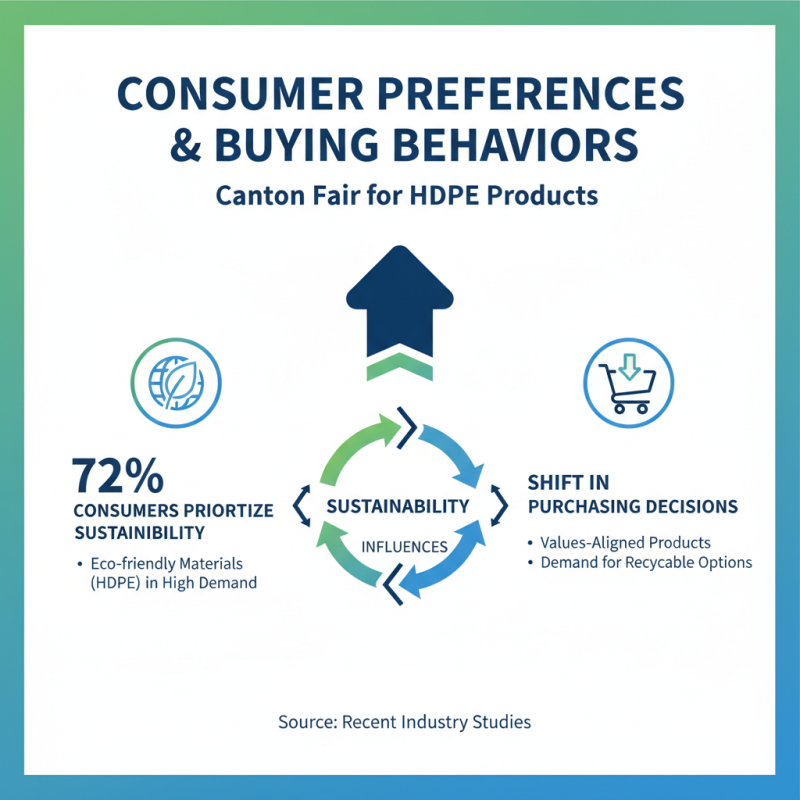
The Canton Fair has become a crucial meeting point for HDPE product buyers. Recent studies show that 72% of consumers are increasingly focused on sustainability. This shift influences their purchasing decisions significantly. The demand for eco-friendly materials, such as high-density polyethylene (HDPE), is rising. Buyers prefer products that align with their values.
Price sensitivity remains a factor. Reports indicate that 65% of buyers are looking for competitive pricing. However, many are willing to pay more for quality and sustainability. The challenge lies in balancing cost and environmental impact. Buyers need to evaluate options carefully.
Color and customization trends have emerged. Data reveals that 58% of buyers prefer customizable HDPE sheets in various colors. This preference reflects a growing desire for individuality in products. Yet, suppliers must ensure that customization does not compromise quality. Finding a middle ground is essential for long-term business success.