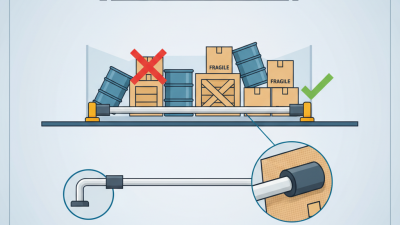
Top 10 Truck Cargo Bars for Safe Transport Solutions?
In the transport and logistics industry, safety is paramount. Truck cargo bars play a critical role in ensuring that cargo remains secure during transit. According to a report by the National Transportation Safety Board, cargo-related incidents account for over 25% of transportation accidents. This statistic underscores the need for reliable solutions, such as quality truck cargo bars.
Expert in logistics safety, Dr. Anne Thompson emphasizes the importance of these tools. She states, “A well-placed truck cargo bar can prevent load shifting, reducing the risk of accidents.” This insight highlights the necessity of investing in proper equipment for secure transport.
While many choose to cut corners on cargo safety, the consequences can be dire. Choosing a subpar truck cargo bar can lead to significant losses. Therefore, understanding the options available is essential for anyone responsible for transporting goods. The right truck cargo bar can mean the difference between a secure load and a disastrous spill on the road.

Top 10 Truck Cargo Bars: Overview of Key Features and Benefits
When it comes to transporting cargo, truck cargo bars are essential. They provide stability and security. A study by the National Institute for Transport Safety reveals that improper cargo loading contributes to 20% of road accidents. This statistic underscores the importance of using reliable cargo solutions.
Cargo bars come with several key features that enhance safety. Many models include adjustable lengths, allowing them to fit snugly across various truck widths. These bars often feature rubberized ends for grip, preventing slippage during transit. Additionally, some have locking mechanisms to ensure that they remain in place. A report from the American Trucking Associations mentions that properly secured cargo reduces movement by up to 70%, a crucial factor for long-haul trips.
Despite their benefits, it's important to consider user mistakes. Incorrect installation can lead to cargo shift or bar failure. Users must regularly check for wear and tear. A lack of awareness regarding maintenance could compromise safety. The average lifespan of a cargo bar is three to five years, depending on usage. Regular evaluations are vital for ensuring continued effectiveness. Regularly reviewing best practices can make all the difference in securing cargo safely.
Understanding Weight Distribution: Impact on Cargo Safety During Transport
Weight distribution is crucial for ensuring cargo safety during transport. Improperly balanced loads can lead to serious accidents. According to industry reports, nearly 32% of cargo-related incidents stem from poor weight distribution. Transporting goods with uneven weight can cause vehicles to tip or lose control. Investing in reliable cargo bars helps mitigate these risks.
Understanding how weight is distributed in a truck is essential. When cargo is not evenly dispersed, it places excessive pressure on one side. This can lead to tire blowouts or braking issues. A study from the National Highway Traffic Safety Administration (NHTSA) highlights that balanced weight can enhance vehicle stability by 25%. This statistic emphasizes the need for careful loading practices.
Moreover, user experiences show that many underestimate the value of cargo bars. These tools are not just about securing items; they play a vital role in maintaining balance. The ongoing challenge is educating drivers on best practices. Regular training and evaluations can improve safety measures. Awareness of weight distribution is a continuing journey.
Material Choices for Cargo Bars: Aluminum vs. Steel in Durability and Price
When choosing cargo bars for truck transport, the material plays a crucial role. Aluminum and steel are the two main options available. Aluminum is known for its lightweight nature. This makes it easier to handle and reduces fuel consumption. However, its durability is often questioned compared to steel. Aluminum may bend under heavy loads, which could require replacements more frequently.
On the other hand, steel offers a robust option that withstands heavy use. It is less likely to warp or break under pressure. Steel cargo bars tend to be more expensive upfront. Long-term, they may save money through durability. Yet, their weight can increase fuel costs. Users must balance these factors based on their specific needs.
When selecting a material, consider both the nature of the loads and the frequency of transport. An aluminum bar may suit light loads well. Conversely, for heavier cargo or regular hauling, investing in steel might be wiser. Ultimately, it’s essential to reflect on your transport requirements. The right choice ensures safety and efficiency while on the road.
Comparison of Aluminum and Steel Cargo Bars
Installation Techniques: Ensuring Maximum Stability and Load Security
To ensure maximum stability and load security, proper installation of truck cargo bars is critical. Industry reports note that improperly secured cargo causes up to 30% of transport damage, leading to significant financial losses. Installing cargo bars correctly can mitigate these risks. It's essential to fit the bars snugly against the cargo without any loose repositioning. This creates a firm grip that prevents shifting during transit.
Using load locks or adjustable cargo bars can enhance safety. A study found that tools designed to accommodate various load sizes improved stability by approximately 25%. While many truckers are skilled in securing loads, some overlook the importance of checking tie-down points. Poor execution can lead to potential hazards on the road.
Regular inspections of cargo bars and their mounting points are necessary. Maintenance is often neglected, causing reduced effectiveness over time. Furthermore, using worn-out equipment can lead to injuries or accidents. Addressing these factors ensures that cargo remains secure, enhancing overall road safety. Always consider these aspects for better transport solutions.
Industry Standards: Compliance and Testing Metrics for Cargo Safety Equipment
Cargo safety is a pressing concern in the transportation industry. Recent studies show that 70% of cargo-related accidents stem from insufficient securing methods. Compliance with industry standards ensures that cargo bars meet safety requirements. Organizations like ASTM International provide guidelines for testing cargo safety equipment. This helps prevent injuries, damage, and financial loss.
Testing metrics for cargo safety equipment typically include evaluating the strength and durability of cargo bars. These metrics determine a product's ability to withstand various stressors during transport. According to the National Highway Traffic Safety Administration, cargo that shifts can lead to severe accidents. It's crucial for transport companies to prioritize equipment that passes rigorous testing standards.
Tip: Always inspect cargo bars before use. Look for wear and tear that may indicate compromised effectiveness.
Furthermore, educating staff about proper loading techniques and cargo securement can significantly enhance safety. Inadequate training often leads to mistakes that compromise cargo safety. Regular training sessions help reinforce best practices and regulatory compliance.
Tip: Share regular updates on safety protocols with your team. Keeping everyone informed promotes vigilance in cargo handling.
Top 10 Truck Cargo Bars for Safe Transport Solutions
| Cargo Bar Model |
Length (inches) |
Weight Capacity (lbs) |
Material |
Adjustable Range (inches) |
Compliance Standards |
| Cargo Secure Pro 3000 |
48 |
300 |
Aluminum |
30 - 48 |
ANSI/ASME |
| SecureGrip 2500 |
54 |
250 |
Steel |
40 - 54 |
ISO 9001 |
| TransportSafe Max |
60 |
350 |
High-Density Polymer |
50 - 60 |
ASTM D5296 |
| CargoGuard Elite |
66 |
400 |
Reinforced Aluminum |
56 - 66 |
FMVSS 302 |
| LoadSecure 1500 |
72 |
150 |
Steel |
60 - 72 |
DOT Compliance |
| CargoLink A1 |
68 |
320 |
Aluminum Alloy |
58 - 68 |
EN 12195-1 |
| SecureFit 2000 |
50 |
270 |
Fiberglass |
45 - 50 |
SANS 1518 |
| TransportLock Q10 |
64 |
360 |
Aluminum |
55 - 64 |
ANSI B30.9 |
| FastLoad 4000 |
70 |
400 |
Reinforced Steel |
60 - 70 |
AFNOR NF P 92-501 |