How to Use Paper Dunnage Air Bags for Safe Shipping?
In the realm of logistics, efficient packaging solutions are crucial. Paper Dunnage Air Bags have emerged as a reliable choice for ensuring safe shipping. According to a report by the International Journal of Logistics Management, around 70% of shipped goods experience some form of damage during transportation. This highlights the need for effective protective measures.
Paper Dunnage Air Bags serve as a cushioning barrier, keeping products tightly secured within their shipping containers. The use of these air-filled bags provides a lightweight yet sturdy option for preventing movement and impact. Industry data indicates that over 60% of companies report reduced damage claims when utilizing air dunnage solutions. This statistic underscores their importance in modern shipping practices.
While Paper Dunnage Air Bags offer many advantages, users must remember that improper use can lead to inefficiencies. Misplacement or insufficient inflation may not provide adequate protection. Thus, training staff on correct application is vital. Companies can enhance their shipping protocols by implementing best practices for air bag usage, ultimately increasing reliability in the supply chain.
Understanding Paper Dunnage Air Bags and Their Purpose
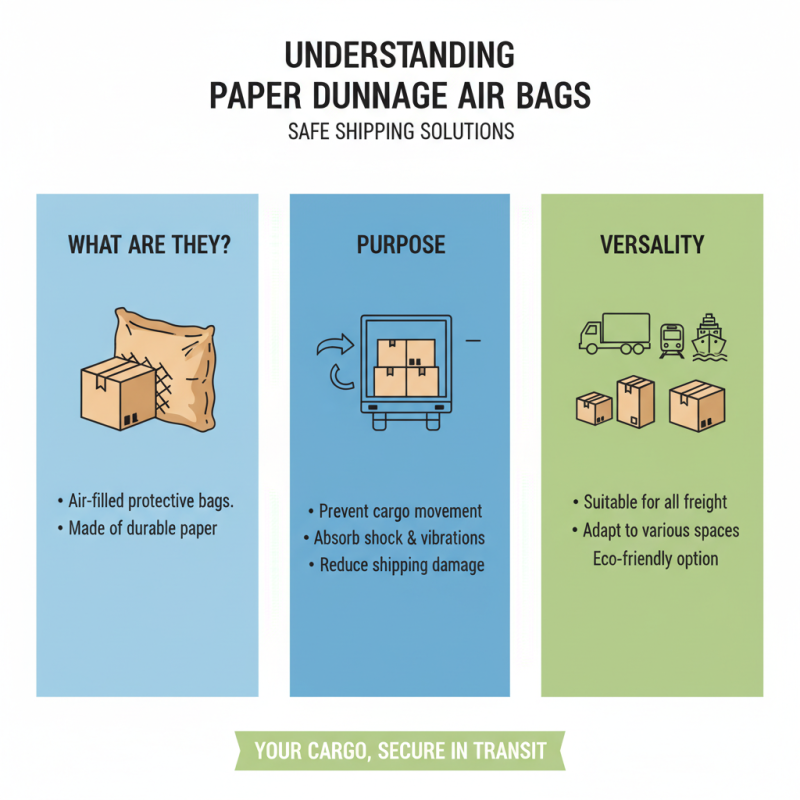
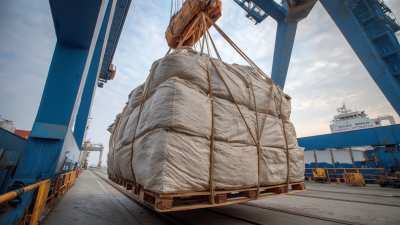
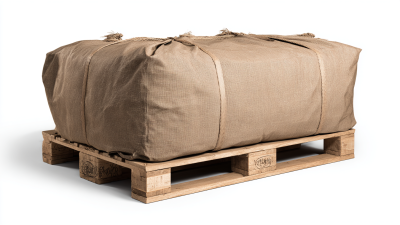
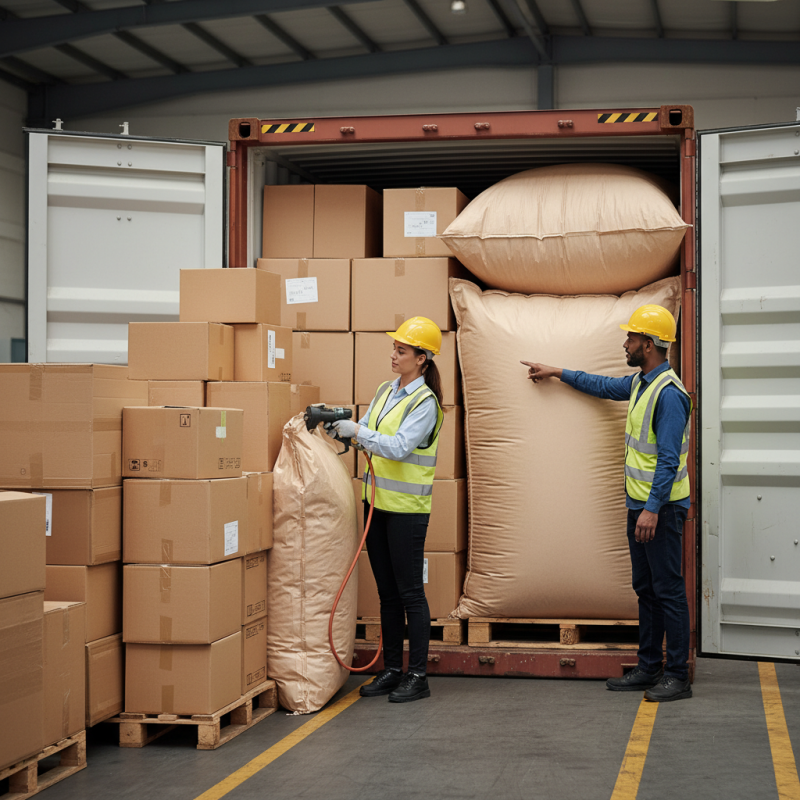
Paper dunnage air bags are innovative tools for safe shipping. They provide a protective barrier for cargo, ensuring items remain secure during transit. These bags are filled with air and can fit into various spaces, preventing movement and damage. Their versatility makes them suitable for freight of all shapes and sizes.
Understanding their purpose is essential for effective use. These bags can absorb shocks and impacts, which is critical for fragile items. By minimizing shifting, they help maintain the integrity of the shipment. However, improper placement or over-inflation can lead to issues. It’s vital to follow guidelines for optimal performance.
Users often overlook the importance of quality checks. Regular assessments of the bags ensure they can perform as intended. Observing wear and tear can save money in the long run. Shipping mishaps can still happen, but with proper use of paper dunnage air bags, the risks decrease significantly.
Choosing the Right Size and Type of Paper Dunnage Air Bags
When selecting paper dunnage air bags for shipping, size and type are crucial. An appropriate air bag prevents damage during transportation. Research shows that improper size results in 30% more product damage. Ensuring a snug fit can significantly reduce movement within containers.
Different types of paper dunnage air bags exist, such as flat and tubular designs. Flat bags are suitable for lighter loads, while tubular bags provide more cushioning. Analysis from logistics reports indicates that tubular bags can absorb shocks better, reducing loss rates by 20%. However, understanding the specific needs of shipments is essential. An incorrect choice may lead to increased costs and efficiency issues.
Choosing the right paper dunnage requires awareness of the load weight and shipment dimensions. Overestimating the size can lead to air bag deflation, while underestimating may crush products. Each shipment carries unique risks. Taking time to assess these factors ensures better protection.
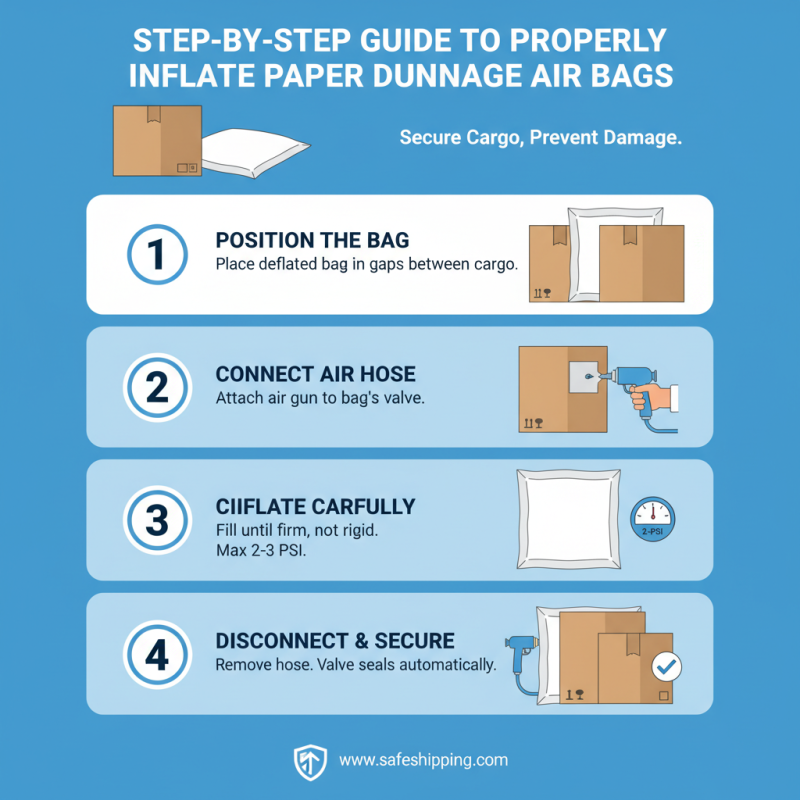
Step-by-Step Guide to Properly Inflate Paper Dunnage Air Bags
Using paper dunnage air bags for safe shipping is increasingly popular. Proper inflation ensures your cargo stays secure during transit. Here’s a step-by-step guide to inflate these bags effectively.
Begin by inspecting the air bag for any damage. A defective bag can lead to loss of air. Unroll the bag fully and identify the inflation valve. This process seems simple, but small errors can result in inadequate inflation. Ensure a tight seal when connecting your inflation device. This prevents air leaks that can compromise stability.
When inflating, monitor the pressure gauge carefully. Over-inflation can cause the bag to burst. Keep it firm but not rigid. After inflation, check for any bulges or signs of stress. These may indicate improper inflation. Adjust if necessary by releasing some air.
Tips:
- Always handle air bags with care to avoid compromising their integrity.
- Test a few bags before shipping large quantities to refine your technique.
- Consider environmental factors, like temperature changes, which can affect inflation.
Reflection is key. Look back at each shipment. Don’t hesitate to note any mishaps related to inflation. This practice helps improve your technique and overall shipping quality.
Techniques for Securely Positioning Air Bags During Shipping
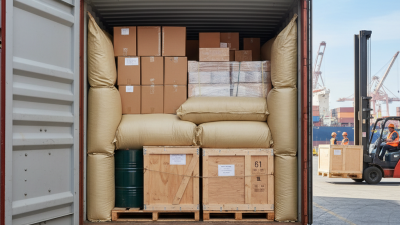
When shipping fragile items, securely positioning paper dunnage air bags is essential. Start by assessing the load. Ensure it fits snugly in the shipping container. Use multiple bags to fill gaps. This minimizes movement during transit. Each air bag should be inflated properly. An unevenly inflated bag can lead to shifting.
Position air bags strategically. Place them at key stress points. Corners often take the brunt of impact; use bags here. Consider adding bags on the sides and between items. This creates a strong support system. After positioning, check for any potential weak spots. A minor oversight can lead to damages.
Air bags need monitoring. During transit, vibrations can change their positioning. Occasionally review your packing methods. What worked once might not always be effective. Experiment with different placements for different shipments. Adapting to specific loads is vital for safe delivery. Reflect on past shipments; learn from experiences to enhance future packing techniques.
Best Practices for Inspecting and Maintaining Air Bags Post-Shipping
Inspecting and maintaining air bags post-shipping is critical for ensuring safe transportation. Studies indicate that nearly 70% of damages during shipping occur due to inadequate packaging. Air bags, particularly paper dunnage types, play an essential role in preventing cargo movement. Regular inspection of these bags helps identify any punctures or leaks. A well-performing air bag can withstand pressure varying from 5 to 15 psi, so thorough checks are vital.
Maintenance should be systematic. After each shipment, air bags should be examined for integrity. Excessive wear or exposure to moisture can compromise their usability. Industry reports suggest that businesses performing regular checks can reduce shipping damage costs by up to 30%. This highlights the importance of diligence in handling air bags.
Improper disposal can also impact safety. A recent survey found that over 60% of companies lack a proper disposal plan for used dunnage. Old air bags can cause logistical issues if left in warehouses or landfills. Implementing a sustainable approach to maintenance and disposal is essential, especially as regulations tighten surrounding waste management. Taking these steps helps ensure future shipments are secure.
Air Bags Usage and Inspection Post-Shipping