How to Use a Container Cargo Net for Secure Transport?
Transporting goods securely is essential in logistics. A well-designed Container Cargo Net plays a pivotal role in this process. According to industry expert John Smith, “The right securement tools can make or break a shipment.” His words highlight the importance of using proper equipment.
Using a Container Cargo Net provides added safety and stability for your cargo. These nets prevent shifting during transit, reducing the risk of damage. They are available in various sizes, accommodating different container types. However, one must carefully assess the load limit. Overloading a net can lead to failures.
Many workers forget to inspect their nets regularly. A frayed or damaged net can compromise security. It's crucial to recognize these shortcomings. Reflection on secure transportation practices can lead to improvement. Each shipment should be treated with the utmost care and responsibility, ensuring all cargo is protected effectively.
Understanding Container Cargo Nets: Purpose and Benefits
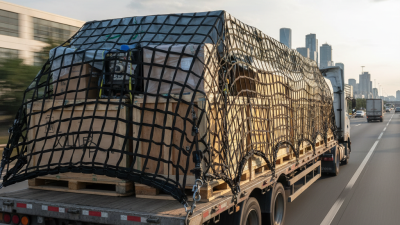
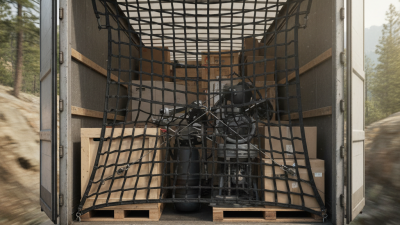
Container cargo nets serve a vital role in secure transport. They are designed to keep cargo in place during transit. This prevents shifting and reduces the risk of damage to goods. Made from durable materials, these nets can handle heavy loads effectively.
Using cargo nets comes with many benefits. They help in maximizing space within the container. Loose items can easily fall or collide. A cargo net keeps everything organized and minimizes chaos. This can be especially important when transporting fragile items. However, improper use can lead to accidents. Ensure the net is correctly secured to avoid any misplacement.
Cargo nets also offer versatility. They can be used for various shapes and sizes of items. Yet, many users forget to regularly inspect their nets. A frayed or damaged net cannot perform effectively. Without this maintenance, you might be putting your cargo at risk. So, while cargo nets are beneficial, they require attention and care.
Benefits of Using Container Cargo Nets
Choosing the Right Type of Cargo Net for Your Container
Choosing the right cargo net for your container is crucial for safe transport. Different types exist to meet various needs. Some nets are made from heavy-duty materials. They provide strength and durability for transporting heavy cargo. Lightweight nets are also available. They are suitable for lighter items and reduce excess weight.
When selecting a cargo net, consider its size and mesh type. A net that is too large can lead to cargo shifts during transport. It may cause damage. Smaller mesh nets prevent small items from falling out but can be harder to tighten. Think about the cargo you transport regularly. This may help in making a better choice.
It’s easy to overlook the importance of cargo nets. They may seem simple, but they play a vital role. Improper usage can lead to accidents or losses. Regular checks on the net’s condition are necessary. A frayed or worn net can compromise safety. Reflect on past experiences. Learn from any mistakes made in cargo transport.
Step-by-Step Guide to Properly Installing a Cargo Net
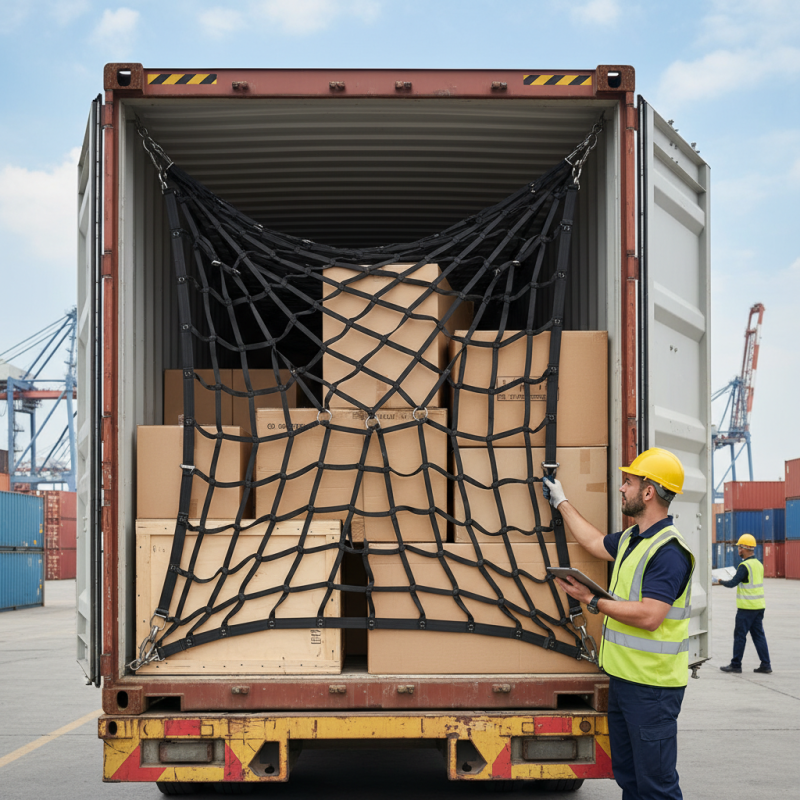
When using a container cargo net, proper installation is key. Begin by assessing the load to ensure the net can handle the weight. According to industry standards, a high-quality net must have a load capacity of at least 1,500 pounds. This prevents cargo shifting during transport. Measuring your cargo dimensions accurately is also important. Use a tape measure to determine the correct net size.
Once you've chosen the net, position it over your load. Ideally, the net should cover the entire cargo area. Utilize appropriate securing hooks or straps for attachment. The National Institute of Occupational Safety and Health emphasizes that improperly secured loads can lead to accidents and damage. Check for tightness and adjust as needed. An ideal installation allows for a few inches of slack but avoids excessive looseness.
After securing, conduct a final inspection. Look for any wear and tear on the net. Tears could lead to failure, especially during transport. Data from logistics studies show that about 30% of cargo damage occurs due to inadequate securing methods. Pay attention to frayed edges; these can compromise safety. A few moments of reflection before hitting the road can save significant costs later on.
Securing Loads: Best Practices for Using Cargo Nets
Using a cargo net effectively can greatly enhance the security of your load during transport. Properly securing your cargo is crucial to prevent accidents and damage.
Relying solely on a cargo net, however, may not always be enough. Regular checks are essential.
When setting up a cargo net, ensure it covers the load completely. Overlapping edges can provide extra security. If items are prone to shift, consider adding more netting or straps.
This simple step often transforms an unsecured load into a stable one.
It’s easy to overlook connections.
Double-check all knots and hooks.
Tip: Always point the net's openings downward. This helps catch items from falling.
Another mistake is choosing the wrong net size. A net that’s too small can become loose, while one that's too large can be cumbersome. Pay attention to the
weight capacity of the net. Ensure it matches your load’s weight. A mismatch can lead to accidents.
Tip: Use color-coded ropes or markers for quick identification. This can save time and prevent errors.
Remember, even a well-secured load can shift, so drive carefully.
Smooth roads may deceive you into thinking all is secure.
Regularly reflect on your securing methods. Are they effective?
Adjust as necessary for better safety.
Maintaining and Inspecting Your Cargo Net for Safety
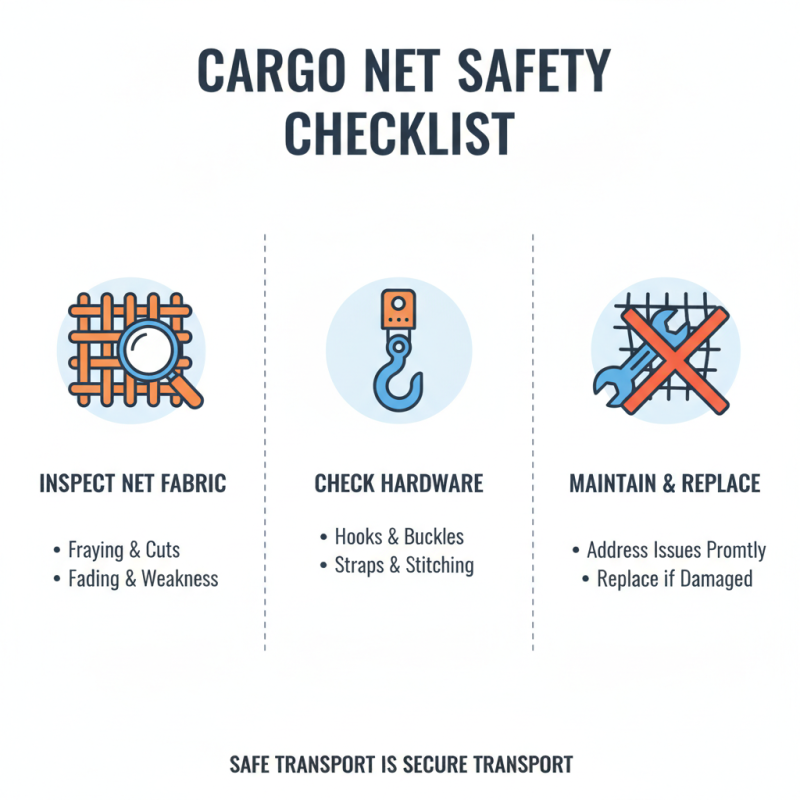
Inspecting and maintaining your cargo net is crucial for safe transport. Regular checks can prevent accidents. Look for signs of wear, like fraying or fading. Pay attention to the hooks and straps. They should be intact and functional. If anything seems off, address it immediately.
Cleaning the cargo net is also important. Debris can weaken the net, creating potential hazards. Use mild soap and water, then air dry it completely. Avoid harsh chemicals. They might degrade the net's materials. Store the net in a dry, shaded area to prolong its life.
Think about your transport conditions. If you frequently drive on rough terrain, inspect the net more often. The environment affects durability. Remember that even a small tear can lead to big problems. Take the time to reflect on your inspection habits. Regular maintenance now saves time and trouble later.