How to Use Kraft Slip Sheets for Efficient Shipping?
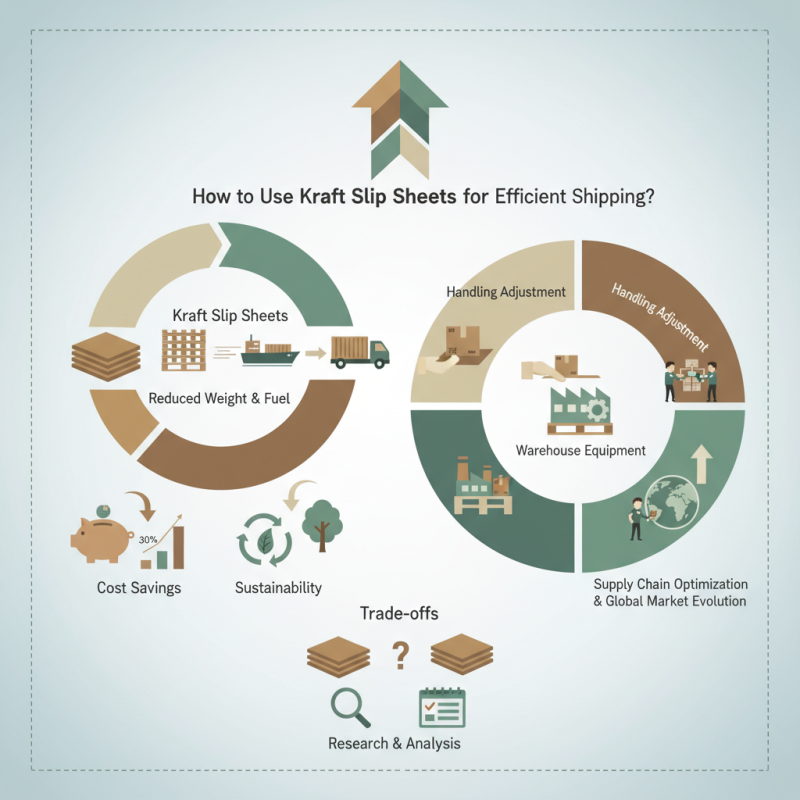
Kraft Slip Sheets are revolutionizing the shipping industry. According to a 2021 report by Grand View Research, the global packaging market is projected to reach $1 trillion by 2028. Cost efficiency and sustainability are key drivers behind this growth. Kraft Slip Sheets provide an alternative to traditional pallets, saving both space and resources.
Using Kraft Slip Sheets can reduce shipping costs by up to 30%. They are significantly lighter than wooden pallets. This weight reduction leads to lower fuel consumption during transport. However, the transition to using Kraft Slip Sheets may require adjustments in handling practices. Not all warehouses are equipped for slip sheet handling. Staff training may be necessary to maximize efficiency.
Despite the benefits, implementing Kraft Slip Sheets is not without challenges. Companies must reconsider their supply chain strategies. Some industries may still prefer conventional pallets. As the market evolves, it remains essential to weigh the trade-offs. Proper research and analysis can mitigate potential setbacks in adopting this innovative solution for efficient shipping.
Understanding Kraft Slip Sheets: Definition and Benefits
Kraft slip sheets are becoming a popular option in logistics. These flat sheets are made from recycled paperboard. They help in the efficient transportation of goods. According to industry reports, 75% of companies have shifted to slip sheets to reduce costs. They can replace pallets for shipping, which cuts shipping weights significantly.
One benefit of Kraft slip sheets is their eco-friendliness. They are recyclable and biodegradable. This is appealing in today’s market, where sustainability is critical. Reports suggest that 60% of consumers prefer brands that showcase sustainable practices. Additionally, slip sheets take up less space. When storing, their slim profile allows for better space utilization. This can lead to a potential 30% reduction in warehouse costs.
However, there are challenges. Not all goods can be transported on slip sheets safely. Fragile items may require additional cushioning. There also is a learning curve for employees. Training is essential to ensure effective use. If not implemented properly, the benefits of slip sheets may not be realized. Companies should evaluate their needs carefully before transitioning.
How to Use Kraft Slip Sheets for Efficient Shipping?
| Feature |
Description |
Benefits |
| Material |
Kraft paper, a strong and lightweight alternative to traditional pallets |
Reduces shipping weight and costs |
| Size |
Standard sizes, customizable upon request |
Maximizes cargo space and efficiency |
| Stackability |
Designed to stack easily and securely |
Improves stability during transportation |
| Environmental Impact |
Made from recyclable materials |
Promotes sustainability in shipping practices |
| Compatibility |
Works with various lifting equipment and shipping systems |
Enhances versatility across different shipping methods |
Selecting the Right Kraft Slip Sheets for Your Shipping Needs
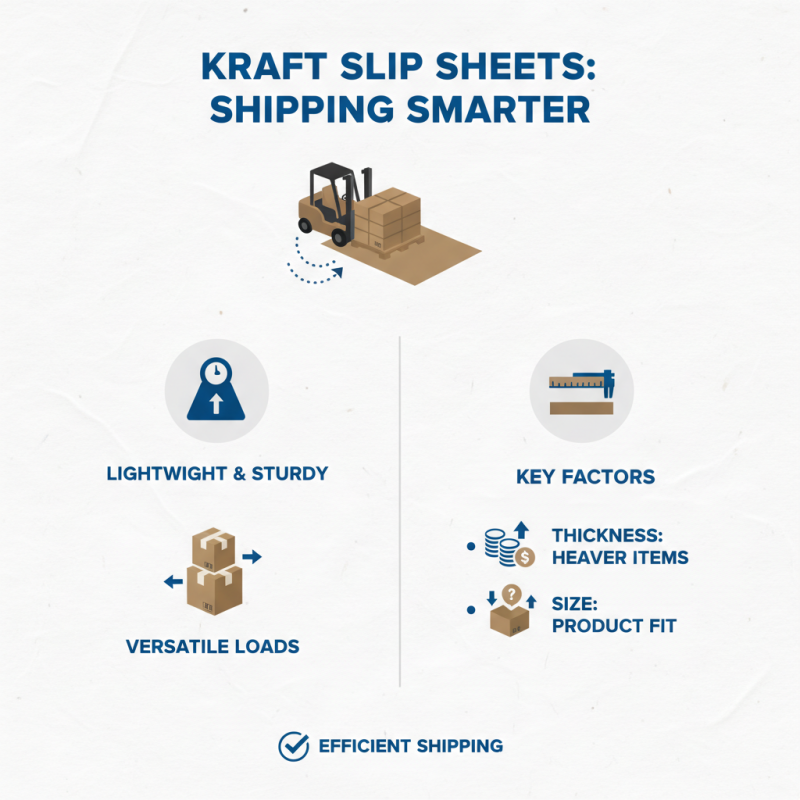
Selecting the right kraft slip sheets is crucial for efficient shipping. These sheets are lightweight and sturdy, making them ideal for various loads. When choosing a slip sheet, consider the thickness and size. Thicker sheets provide better support, especially for heavier items. You may also want to think about the dimensions that suit your products. A mismatched size can lead to instability during transport.
It’s important to acknowledge that not all kraft slip sheets are created equal. Some may not handle moisture well, which can be a concern in certain climates. Always check for quality and durability. Conducting a small test shipment might reveal potential issues. Reflect on the outcomes, and adjust your choices accordingly.
Also, consider how slip sheets interact with your existing shipping processes. Do they fit well with your loading equipment? If not, it could slow down your operations. Sometimes, a quick fix isn’t the best approach. Investing time in evaluating all these factors can save you from costly mistakes later on.
Preparing Your Goods for Efficient Use of Slip Sheets
When preparing your goods for efficient use of slip sheets, start with proper sizing. Ensure that your products fit securely on the sheets.
An exact fit is crucial. Loose items may cause instability during transport.
Measure everything carefully before packing. Consider the weight distribution, too. Even goods should be placed to avoid tipping.
Next, enhance load stability with corner protectors. They help maintain the shape of your cargo.
This reduction in shifting can prevent damages. Always check the alignment as you load.
Small misplacements can lead to big issues later. Strapping your goods down is vital.
Products should not move during shipping. This might seem tedious but is essential.
Additionally, don’t overlook the environment where the slip sheets will be used.
Sometimes, the surface isn’t ideal. Slippery or uneven ground can affect stability. It might be necessary to make adjustments.
Reflecting on past mistakes can lead to better practices. Analyze what’s worked and what hasn’t.
Each shipment provides lessons that enhance future operations.
Techniques for Packing and Stacking with Kraft Slip Sheets
Using Kraft slip sheets can enhance your shipping efficiency. These lightweight alternatives to wooden pallets save space and weight, making them ideal for many industries. Research shows that using slip sheets can reduce shipping costs by up to 15%. This shift allows businesses to focus on maximizing load capacities.
When packing with Kraft slip sheets, consider stacking techniques that optimize space. Proper stacking can increase cargo density, which is crucial for smaller shipments. Arrange boxes in layers, alternating the direction of the boxes. This interlocking design stabilizes stacks. Keep weight distribution even to prevent toppling. A study by the Supply Chain Management Institute highlights that balanced stacking can decrease damage rates by 30%.
However, using slip sheets isn't without challenges. They require compatible forklifts or pallet jacks for handling. Employee training is essential for safe use. Sometimes, companies may overlook these aspects, leading to inefficiencies. Addressing these gaps can significantly improve your shipping operation while reducing waste. A careful assessment of your current processes may reveal areas for improvement.
Shipping Efficiency with Kraft Slip Sheets
This chart compares the efficiency of shipping using Kraft Slip Sheets against traditional pallets across various metrics such as shipping time, cost, storage space, and weight. The data highlights the advantages of Kraft Slip Sheets in shipping logistics.
Best Practices for Shipping and Handling Loaded Slip Sheets
Efficient shipping using slip sheets requires specific best practices. According to industry reports, using slip sheets can reduce shipping costs by up to 30%. This reduction stems from their lighter weight compared to traditional pallets. Properly loading slip sheets ensures they bear weight evenly. Uneven loading can lead to damage or injury.
Handling loaded slip sheets correctly is crucial. Ensure that the equipment used for moving them is compatible. Forklifts with slip sheet attachment can streamline operations. However, many warehouses often overlook this and still rely on standard forks. This can result in wasted time and increased risk of accidents.
Training staff on best practices can make a significant difference. Research indicates that well-trained workers boost productivity by at least 20%. Yet, companies often undervalue the upfront investment in training. They might not realize that it pays off through fewer damages and improved efficiency. Adopting these practices fosters a safer and more cost-effective approach to shipping.