Why Use Paper Slip Sheets for Efficient Shipping and Handling?
In today's fast-paced logistics environment, efficiency is key. Companies seek solutions that simplify shipping and handling. Paper Slip Sheets have emerged as a practical alternative. These sheets are lightweight and easy to use. They can replace traditional pallets in many situations. This not only saves space but also reduces costs.
Using Paper Slip Sheets can lead to significant improvements in warehouse operations. They allow for more products to be stacked in a given area. Transporting goods becomes easier and more manageable. However, not all firms have embraced this innovation. Some still cling to old methods, unsure of the shift. These concerns can hinder progress.
While Paper Slip Sheets offer numerous benefits, challenges remain. Training staff on new systems takes time. Businesses must also consider compatibility with existing equipment. Despite these hurdles, the potential for efficiency gains is undeniable. Embracing Paper Slip Sheets may require reflection and adaptation, but the rewards could be substantial.
Benefits of Using Paper Slip Sheets in Shipping Operations
Paper slip sheets have become an essential tool in the shipping industry. They offer significant benefits that many companies are starting to recognize. A recent industry report highlighted that companies using paper slip sheets can reduce their packaging costs by up to 30%. This is largely due to their lightweight nature, which also decreases transportation expenses. Each slip sheet can replace traditional pallets, leading to substantial savings in freight costs.
These sheets are not just cost-effective; they are also environmentally friendly. Made from recycled materials, paper slip sheets help reduce waste. According to studies, using them can cut down plastic consumption by 20%. However, some companies still hesitate to switch from pallets to slip sheets. They worry about the transition period and employee training. These concerns are valid but often unfounded. The benefits, such as increased load stability and easier handling, far outweigh the initial challenges.
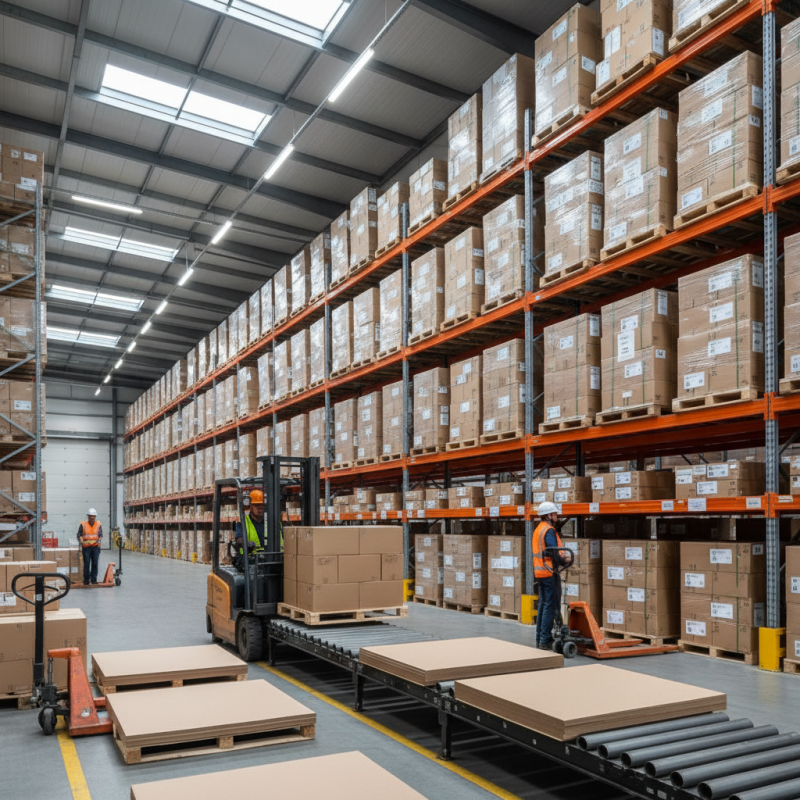
Another advantage of paper slip sheets is their compact storage. They take up much less space compared to pallets. Warehouses can utilize their space more efficiently, optimizing inventory management. Interestingly, research indicates that storage efficiency can improve by up to 50%. Yet, companies must consider their specific needs before making the shift. Transitioning is a process, and not every operation will benefit equally. Adapting to new methods takes time and patience.
Cost-Effectiveness of Paper Slip Sheets Compared to Traditional Pallets
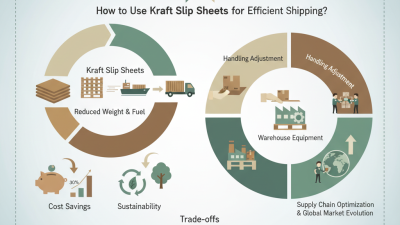
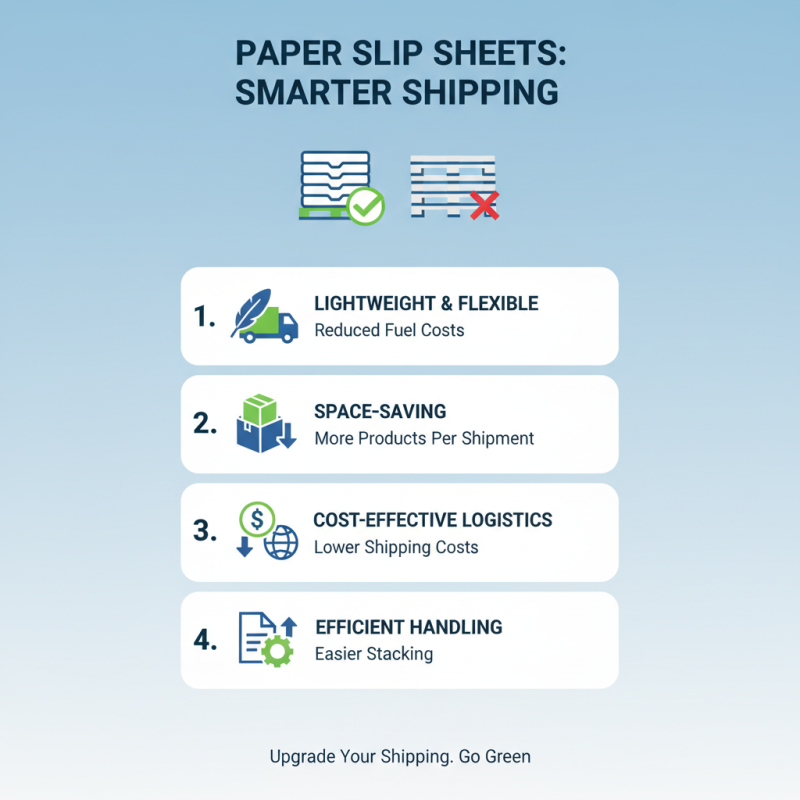
When it comes to shipping and handling, paper slip sheets are emerging as a smart choice. They are lightweight and flexible, making them ideal for cost-effective logistics. By replacing traditional pallets, businesses can reduce shipping weight significantly. This decrease leads to lower fuel consumption and transportation costs. Moreover, slip sheets take up less space, allowing for more efficient stacking. Imagine fitting more products in a single shipment. That's a clear advantage.
However, some might question their durability compared to wooden or plastic pallets. Yes, paper slip sheets may seem fragile at first glance. But they are designed to withstand standard handling conditions. Many companies have successfully adapted to this new method, realizing significant savings in storage and shipping costs. It’s a change that requires adjustment but offers clear benefits. Sometimes, the best solutions are not the most conventional ones. Embracing innovative materials can reshape how businesses approach logistics. Transitioning to paper slip sheets may require a shift in mindset, but the potential rewards are noteworthy.
Improved Efficiency in Load Handling with Paper Slip Sheets
Paper slip sheets are transforming shipping operations. Their lightweight design makes them easy to use, and they are eco-friendly too. This change improves efficiency in load handling. By using slip sheets, businesses can stack more products in less space. This maximizes storage areas and reduces shipping costs.
Handling with slip sheets is a skill. Proper techniques can speed up loading and unloading. For maximum effectiveness, always align the slip sheet with the load. Misalignment can lead to accidents. Make sure the load is secured properly. This ensures safety during transportation.
Tip: Practice regularly with your team. This reinforces good habits and ensures everyone understands the process. Evaluate your current handling methods. Identify areas that can improve efficiency. Small adjustments can lead to significant benefits. Collect feedback from your staff. They often have valuable insights that can improve operations.
Improved Efficiency in Load Handling with Paper Slip Sheets
Environmental Advantages of Choosing Paper Slip Sheets for Shipping
In recent years, the shipping industry has shown a growing awareness of sustainability. Paper slip sheets have emerged as a more environmentally friendly alternative to traditional wooden pallets. Research from the Environmental Protection Agency suggests that paper products are biodegradable and can significantly reduce waste in landfills. This shift offers many companies a chance to decrease their carbon footprint.
Using paper slip sheets can also lead to a reduction in energy consumption during transportation. According to a study by the Forest Products Laboratory, transporting goods with paper slip sheets requires up to 30% less space than wooden pallets. This efficiency can translate to decreased fuel usage. However, some logistics companies may hesitate to switch due to concerns about durability and load capacity.
The production of paper slip sheets utilizes renewable resources. More than 70% of paper is made from recycled materials. Yet, the industry still grapples with balancing the demand for eco-friendly options and the overall sustainability of paper production. Some argue that the recycling process may not be as efficient as intended, leading to challenges in achieving true sustainability. This ongoing debate highlights the need for further innovation and more effective recycling programs.
Why Use Paper Slip Sheets for Efficient Shipping and Handling? - Environmental Advantages of Choosing Paper Slip Sheets for Shipping
| Dimension |
Paper Slip Sheet |
Plastic Slip Sheet |
| Weight (per sheet) |
0.5 lb |
1.5 lb |
| Biodegradability |
Yes |
No |
| Recyclability |
Yes |
Limited |
| Cost (per 100 sheets) |
$20 |
$30 |
| Carbon Footprint |
Low |
High |
| Load Capacity |
1500 lbs |
2000 lbs |
Versatility of Paper Slip Sheets in Various Transportation Methods
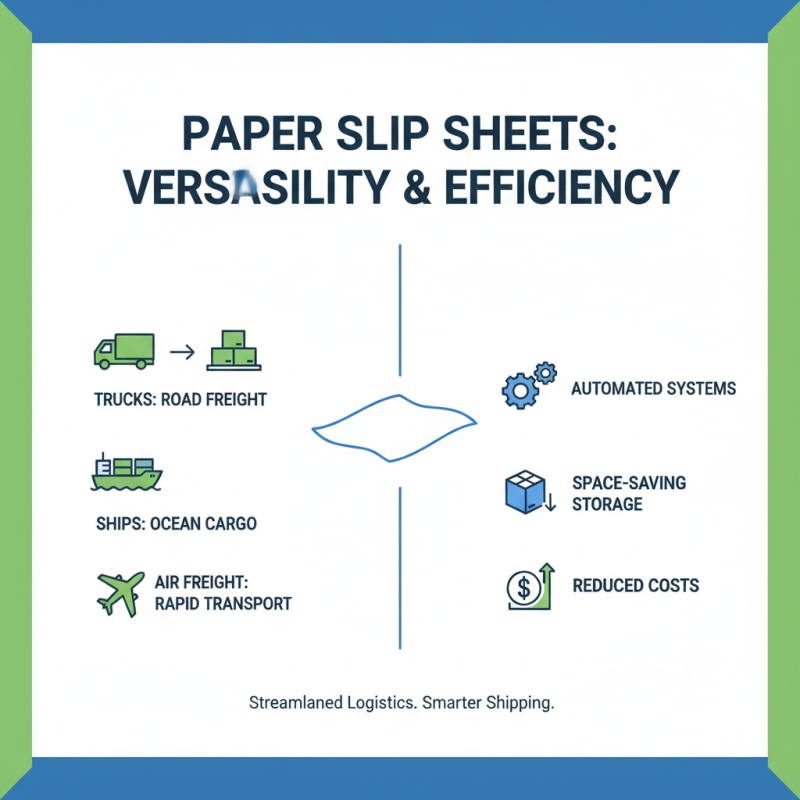
Paper slip sheets offer remarkable versatility across various transportation methods. They can be used in trucks, ships, and even air freight. This flexibility allows businesses to streamline operations and reduce costs. Slip sheets work well with automated systems, making loading and unloading quicker. They also take up less space compared to traditional pallets. This can lead to more efficient storage and transportation.
When using slip sheets, consider your product's dimensions. Ensure the sheets are sized correctly for maximum stability during transport. Another tip is to evaluate your handling processes. If your team uses forklifts or pallet jacks, make sure they're compatible with paper slip sheets. This will prevent damage and ensure safety during movement.
While slip sheets are beneficial, they may not suit all products. Bulky or heavy items might need extra support. Reflecting on your specific needs is crucial. Examine your shipping methods and the type of cargo you transport. Adapting to paper slip sheets can lead to efficiency, but it's important to assess their practicality for your business.