How to Use Pp Dunnage Bag for Optimal Packaging Solutions?
In today’s fast-paced logistics industry, proper packaging solutions are crucial. The Pp Dunnage Bag stands out as a reliable option for securing goods during transport. According to industry expert John Smith, "Using Pp Dunnage Bags ensures safety and reduces damage risk significantly." These bags provide excellent void fill, protecting products in transit.
Manufacturers face challenges in choosing the right packaging materials. Pp Dunnage Bags offer flexibility and strength, preventing movement within shipping containers. However, some may overlook their proper usage, leading to inefficiencies. It’s essential to understand how to deploy these bags effectively.
Visualizing a process where Pp Dunnage Bags safeguard fragile items can be enlightening. Imagine delicate glassware shipped across countries, safe within a padded, secure environment. Companies must reflect on their packaging choices. Each bag presents opportunities for improvement, ensuring the integrity of transported goods.
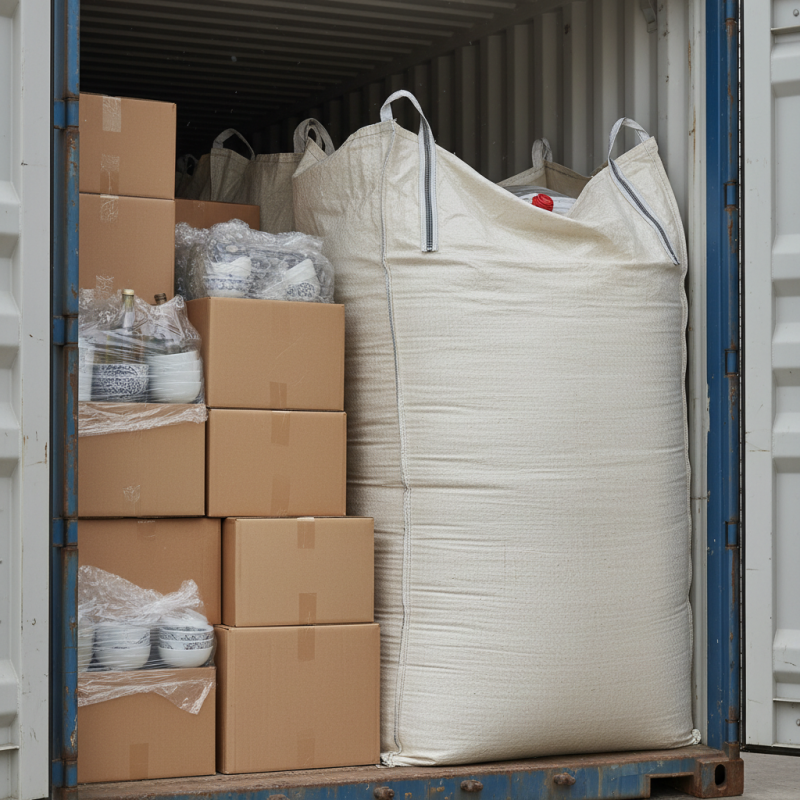
Understanding Pp Dunnage Bags and Their Benefits for Packaging
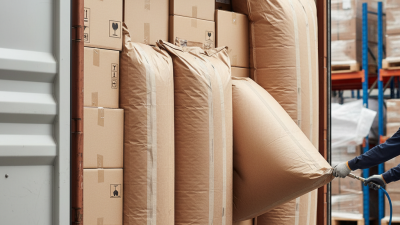
PP dunnage bags are essential for secure packaging. They are designed to fill voids and stabilize goods during transit. The bags are made from durable materials that can withstand harsh conditions. This makes them ideal for protecting fragile items. Their lightweight nature helps reduce overall shipping costs.
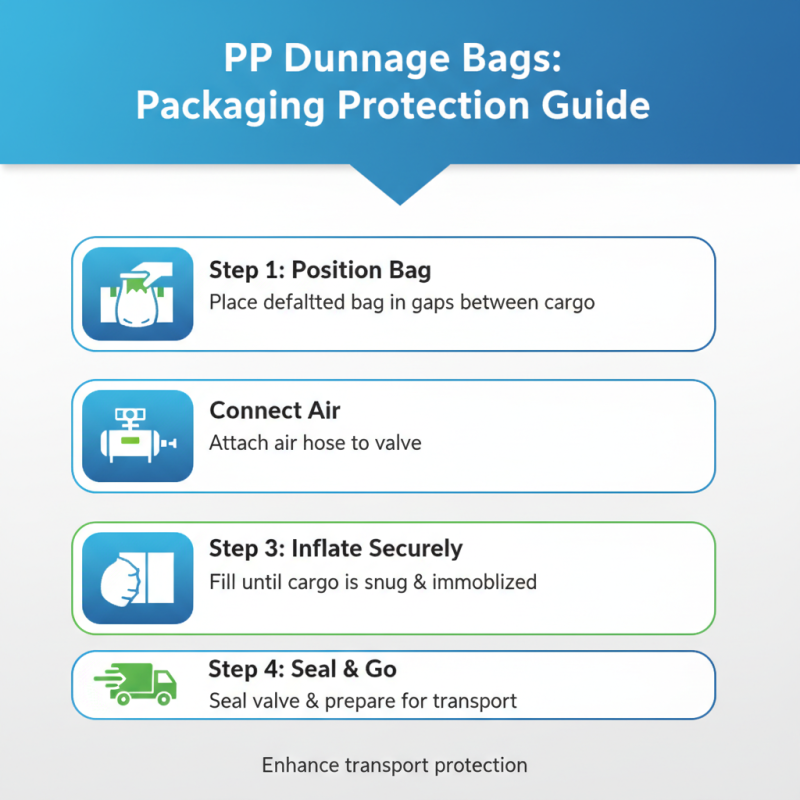
Using dunnage bags effectively can enhance safety. Here are a few tips. Ensure bags are inflated properly. Under-inflated bags may not provide enough support. Over-inflated bags can burst during transport. Another tip is to place the bags strategically in the container. They should be positioned where the most movement occurs. This prevents shifting and potential damage.
While dunnage bags are effective, monitoring their performance is crucial. Check them regularly for signs of wear. This helps maintain their integrity. Also, consider the packaging environment. Extreme temperatures can affect their efficiency. Sometimes, alternative methods may be necessary. Adapting to changing shipping conditions is a must.
Benefits of Using Pp Dunnage Bags in Packaging
Identifying the Right Size and Type of Pp Dunnage Bag for Your Needs
When selecting the right size and type of PP dunnage bag, clarity is essential. An ideal dunnage bag should fit snugly within the shipping space. It minimizes movement during transit, which prevents damage. According to a report from the International Packaging Association, packaging-related damage accounts for around 30% of all product losses during shipping. This statistic raises the need to consider proper sizing significantly.
The industry suggests measuring the cargo's dimensions accurately. A bag that is too small may not provide enough support. Conversely, a bag that is too large can shift, causing instability. Research indicates that 60% of shippers prefer a custom fit to optimize protection. It is essential to have a few different sizes on hand to cater to various needs.
Material choice is equally important. Standard dunnage bags are lightweight yet durable. However, specific types are designed for heavier loads or extreme conditions. A study by the Packaging Research Institute found that inappropriate material choice can lead to a 20% increase in shipping costs due to damage. Choosing the right type and size ensures safety and efficiency, but it requires careful consideration. Many still overlook this crucial aspect, leading to unnecessary financial loss.
Tips for Ensuring Maximum Protection with Pp Dunnage Bags
Using PP dunnage bags effectively requires understanding their role in packaging. These bags are essential for protecting goods in transit. Proper inflation and placement can prevent damage. In fact, a study by the Packaging Institute found that over 30% of products are damaged during shipping. This emphasizes the importance of proper packaging solutions.
To ensure maximum protection, consider the weight of the items being shipped. PP dunnage bags can support up to 50 pounds each when inflated correctly. Secure them tightly to eliminate movement within the container. The ideal inflation level keeps the bag filled but not over-expanded. Under-inflated bags can lead to load shift, while over-inflated ones risk bursting.
Don't overlook the importance of bag placement. Position the dunnage bags to absorb shock and stabilize items. Misalignment can result in failure to protect the cargo. Additionally, take inventory of your shipping environment. Factors like temperature and humidity can affect bag performance. Frequent assessments and adjustments are vital. Maintaining these practices leads to better outcomes and fewer damages in the long run.
Best Practices for Storing and Maintaining Pp Dunnage Bags
Storing and maintaining PP dunnage bags is crucial for their effectiveness. Proper storage extends their lifespan. Keep these bags in a cool, dry place. Avoid exposure to extreme temperatures. Ideal storage temperatures should range from 40°F to 100°F. Higher temperatures can compromise the bag's integrity. According to industry reports, maintaining optimal conditions can increase durability by 30%.
Regular inspections are vital. Check for any signs of wear or damage. Even small punctures can lead to losses in functionality. Proper handling also plays a role. Avoid dragging the bags across rough surfaces. This can cause unnoticeable tears. Reports indicate that 15% of bag failures are due to improper handling. Handling them with care can prevent unnecessary waste.
Cleaning dunnage bags is also essential. Use mild detergents that are gentle. Harsh chemicals can weaken the material. When needed, wash with cool water and let them air dry. Most industry standards recommend cleaning after each use to maintain hygiene. It’s not just about reusing them; it’s about doing it effectively. Regularly reviewing these practices can lead to better resource management and reduce costs significantly.