How to Use Slip Sheets for Efficient Global Shipping?
In the realm of global shipping, the efficiency of logistics is paramount. Slip Sheets, an innovative alternative to traditional pallets, are increasingly reshaping how goods are transported. John Miller, a logistics expert with over 20 years of industry experience, states, "Slip Sheets can reduce costs and increase load capacity." This insight highlights the growing importance of Slip Sheets in modern supply chain practices.
As businesses seek to streamline operations, the adoption of Slip Sheets offers tangible benefits. They are lightweight, enabling businesses to transport more goods while minimizing carbon footprints. Additionally, they allow for faster loading and unloading, saving valuable time in busy shipping ports. However, the shift from pallets to Slip Sheets is not without challenges. Companies must invest in appropriate handling equipment and train staff accordingly.
Considering these factors, it becomes clear that embracing Slip Sheets requires careful planning. While they can optimize shipping processes, organizations must reflect on their specific needs and capabilities. The journey to efficient global shipping through Slip Sheets presents both opportunities and hurdles. Thus, understanding how to effectively implement them is essential for any business aiming for success in the competitive logistics landscape.

Understanding Slip Sheets and Their Benefits in Shipping
Slip sheets are becoming an essential tool for efficient global shipping. These thin sheets, usually made of plastic or cardboard, help reduce package weight and save space. According to a report by the International Journal of Shipping and Transport Logistics, using slip sheets can decrease shipping costs by up to 25%. This is especially beneficial for companies that frequently export heavy goods.
The primary advantage of slip sheets is their ability to maximize pallet space. Traditional pallets can be bulky, taking up more room in shipping containers. Slip sheets allow for more efficient stacking, increasing the load capacity. However, one challenge is ensuring proper handling equipment is available. Not every facility is equipped for slip sheet logistics, which can lead to potential delays in the supply chain.
Furthermore, slip sheets can promote sustainability by reducing material waste. A report from the World Economic Forum highlights that using slip sheets instead of wooden pallets can decrease deforestation pressures. However, businesses must consider regional compliance, as not all areas have accepted the shift. This transition requires planning and training to optimize slip sheet usage effectively.
Types of Slip Sheets: Materials and Sizes for Global Shipping
Slip sheets are an innovative alternative to traditional pallets in global shipping. They are typically made from materials like cardboard, plastic, or chipboard. This versatility allows businesses to choose the right type based on load requirements and shipping conditions. For instance, using thick cardboard can support heavier loads, while plastic sheets are durable and moisture-resistant, ideal for international shipping.
When selecting slip sheets, considering their sizes is crucial. They commonly come in standard dimensions to fit various containers and transport methods. A standard size is 48x40 inches, fitting many freight specifications. However, custom sizes are available for unique shipping needs. Understanding the dimensions of your products is essential, as it impacts stacking and stability during transit.
It's important to note that not all slip sheets are equal. Some may lack strength or insulation properties, risking damage to goods. Researching reliable suppliers can mitigate these issues. Additionally, it’s good to evaluate the environmental impact of materials used. Adopting eco-friendly options can enhance sustainability in supply chains while also meeting regulatory requirements. Effective use of slip sheets means balancing efficiency with reliability.
How to Properly Use Slip Sheets for Loading and Unloading
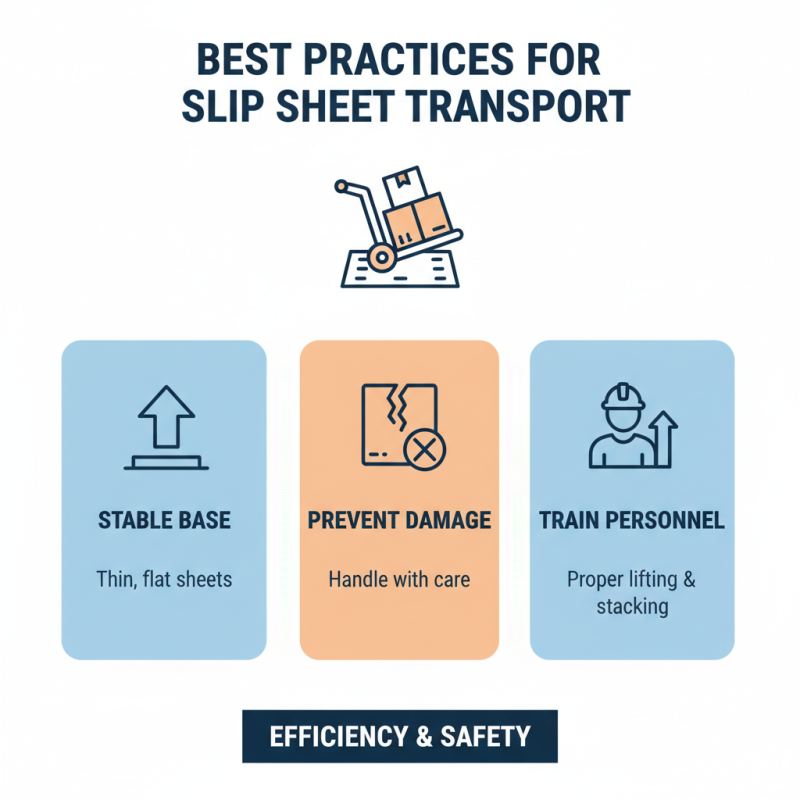
Slip sheets can streamline the loading and unloading process in global shipping. Using them effectively involves a few crucial steps. Ensure the slip sheets are the correct size for your cargo. This helps maximize space and minimize damage. Choose the right slip sheet material based on the type of goods being handled. For example, lightweight products work well with thinner sheets.
When loading, position the slip sheet beneath the cargo. Use the right tools to lift and move the load easily. This prevents potential injuries and damages. During unloading, be mindful of how the slip sheets are removed. Proper technique reduces wear on the sheets and maintains their usability for future loads.
However, there can be challenges. Not all forklifts are compatible with slip sheets. This can create delays during loading and unloading. It is essential to train your team on best practices, as mistakes can lead to accidents or product loss. Regularly inspect slip sheets for wear and tear. Poor condition can impact safety and efficiency.
Cost Efficiency: Evaluating Slip Sheets in Global Logistics
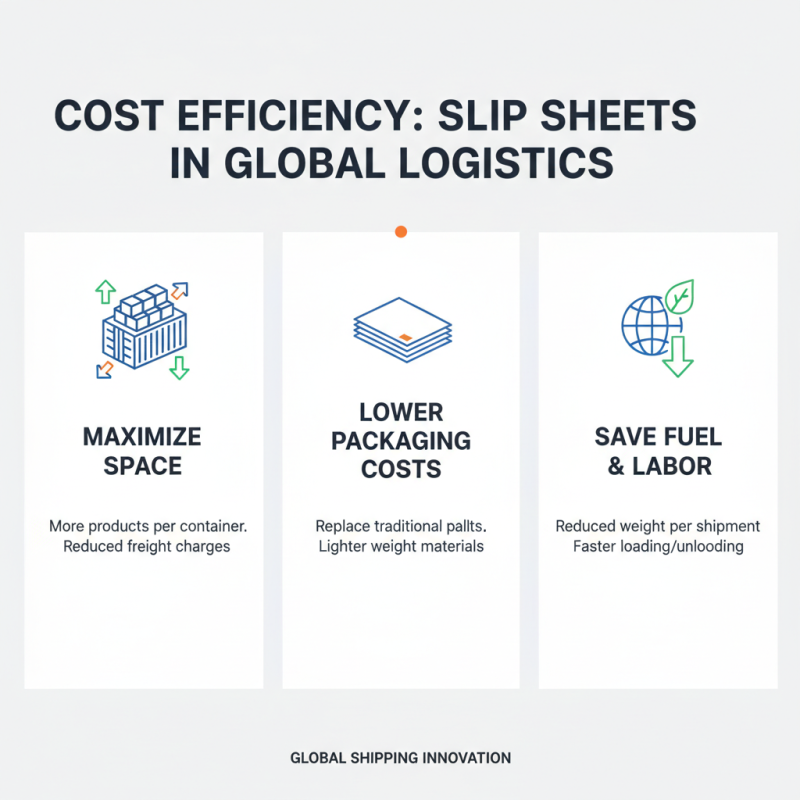
Slip sheets are gaining attention in global shipping due to their cost efficiency. These thin sheets made from materials like plastic or fiberboard replace traditional pallets. This transition can reduce shipping costs significantly. Companies can ship more products in a single container, maximizing space and reducing freight charges. Additionally, slip sheets can lower packaging costs. Their lighter weight contributes to savings in fuel consumption.
Evaluating slip sheets requires careful consideration. They might not be suitable for every product type. Some items may need the stability and protection that standard pallets offer. Furthermore, the handling process may require specialized equipment, which could add initial costs. While the potential savings are appealing, businesses must assess their operational needs, safety regulations, and distribution capabilities before making a switch. The decision should not just focus on costs but also on overall efficiency and reliability.