Why Choose Support Bar for Your Business Needs?
In today's competitive landscape, businesses are increasingly turning to innovative solutions to enhance customer experience. One such solution is the "Support Bar." According to a recent industry report by Gartner, 72% of customers expect immediate response from support channels. This rising demand for effective customer engagement underscores the importance of efficient support systems.
A Support Bar serves as an integral part of this framework, enabling businesses to provide timely assistance. It streamlines communication, leading to higher customer satisfaction rates. Industries that have implemented such solutions report up to a 40% reduction in response time. However, not all Support Bars are created equal; some may fall short of expectations. Businesses must evaluate their needs and leverage expert insights to choose the most effective tools.
While the idea of a Support Bar is promising, its execution can often be inconsistent. Companies must reflect on their current strategies. Are they really addressing customer issues, or merely offering superficial solutions? True improvement requires ongoing analysis and adaptation. Emphasizing these elements may help businesses unlock the full potential of their Support Bar, leading to sustained growth and customer loyalty.

Benefits of Implementing Support Bars in Business Operations
Implementing support bars in business operations can offer significant advantages. These tools provide vital reinforcement, ensuring that structures remain stable under pressure. For industries like manufacturing and construction, this stability can prevent costly accidents. Furthermore, with increased safety, employees feel more secure at work which enhances overall productivity.
Support bars also play a role in optimizing workflow. By facilitating smoother operations, they reduce the time spent on adjustments or repairs. For example, in retail environments, a well-implemented support bar system can lead to better product displays and easier access. Yet, businesses must evaluate their specific needs to avoid overspending on unnecessary equipment. Each operation is unique, and understanding that will help to maximize benefit.
Efficiency is not just about tools; it's also about training. Employees need clear guidance on using these supports effectively. In some cases, businesses implement support bars without comprehensive training. This oversight can lead to misuse and frustration. A thoughtful approach is necessary for true enhancement, focusing on both equipment and personnel development.
Key Features of Support Bars for Various Industries
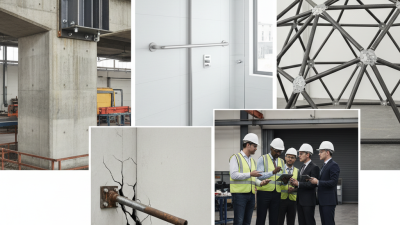
Support bars are essential in various industries due to their diverse applications. These bars offer stability and support, which are crucial in environments such as construction, manufacturing, and healthcare. In construction sites, support bars help ensure the safety of structures during the building phase. In manufacturing, they assist in aligning equipment, contributing to precision and efficiency.
Moreover, in the healthcare sector, support bars are vital for patient safety. They provide stability for individuals during rehabilitation or everyday activities. These bars come in various designs, catering to different needs. Some applications may require adjustable bars, while others benefit from fixed installations. Each design showcases its advantages and limitations, inviting users to reflect on their specific needs.
While support bars serve many functions, they are not without challenges. For example, improper installation can lead to safety hazards. Additionally, some bars may not adapt well to all environments, which can limit their effectiveness. This highlights the importance of choosing the right type of support bar for your specific situation. By understanding these nuances, businesses can make informed decisions that enhance safety and productivity.
How Support Bars Enhance Workplace Safety and Efficiency
Support bars play a crucial role in enhancing workplace safety and efficiency. According to a report by the National Safety Council, workplace injuries cost U.S. businesses approximately $171 billion annually. Implementing support bars can significantly reduce this financial burden by providing necessary physical support for employees, especially in high-risk areas. A survey revealed that workplaces incorporating support bars reported a 25% decrease in slip and fall accidents.
Tips: Regularly inspect support bars for any wear and tear. Ensure they are installed at appropriate heights for different employee needs. Training employees on safe usage practices can amplify safety benefits.
Support bars not only promote safety but also enhance efficiency. They offer stability, allowing employees to focus on tasks without the fear of losing balance. This boosts overall productivity. A study indicated that workplaces with effective safety measures experience around 30% higher efficiency rates. Yet, organizations must prioritize proper installation and maintenance to enjoy these benefits fully. Without such diligence, support bars may become ineffective or even hazardous.
Tips: Schedule maintenance checks on a quarterly basis. Encourage feedback from employees about their experience with support bars. This will help identify areas for improvement.
Why Choose Support Bar for Your Business Needs?
Support Bars play a crucial role in enhancing workplace safety and efficiency. This chart illustrates the impact of implementing support bars across various sectors, highlighting improvements in safety incidents reduction and efficiency increase.
Cost-Effectiveness: Support Bars vs. Traditional Solutions
Support bars have emerged as a practical alternative for businesses seeking cost-effective solutions. Unlike traditional support systems, which can require significant investment and ongoing maintenance, support bars offer simplicity and reliability. They are often less expensive to install and maintain, making them a smart choice for many organizations.
Consider the installation process. Traditional systems may involve complex configurations and extensive downtime. In contrast, support bars can be set up quickly and with minimal disruption. This aspect is crucial for businesses that cannot afford long interruptions. Additionally, many types of businesses find that support bars provide adequate safety and functionality, meeting their needs without overspending.
However, some may question the long-term durability of support bars. Though they are initially more affordable, the longevity and effectiveness of such solutions can vary. Companies should evaluate their specific requirements and potential future expenses. Balancing initial costs against long-term performance is vital in making a sound decision. The choice isn’t always clear-cut; careful consideration is necessary to ensure the selected support system truly serves the business effectively.
Why Choose Support Bar for Your Business Needs? - Cost-Effectiveness: Support Bars vs. Traditional Solutions
| Feature |
Support Bars |
Traditional Solutions |
| Initial Cost |
$200 |
$500 |
| Maintenance Cost (Annual) |
$50 |
$150 |
| Lifespan |
10 years |
5 years |
| Installation Time |
2 hours |
8 hours |
| Weight Capacity |
600 lbs |
400 lbs |
Real-World Examples of Successful Support Bar Integration
Support bars have been increasingly adopted in various sectors, aiding businesses in improving their operational efficiency. For instance, a recent report from the National Institute of Standards and Technology highlights that companies integrating support systems saw a 25% increase in workflow efficiency. This figure underscores the practical benefits of such systems, demonstrating how they streamline processes and reduce downtime.
An example can be drawn from the healthcare industry, where many hospitals have implemented support bars to assist with logistics. In one case study, a regional hospital improved patient satisfaction scores by 40% after integrating mobile support bars into their emergency departments. These bars allowed staff to manage patient flow better, ensuring timely responses in critical situations.
However, it's essential to acknowledge that not all implementations are smooth. For example, some businesses faced resistance from staff during the adaptation phase. According to a recent industry survey, 30% of employees were initially hesitant to embrace support bars. This highlights the need for thorough training and communication strategies, emphasizing that technology integration requires ongoing assessment and adjustment. Employing support bars can yield significant benefits, but a mindful approach to deployment is crucial.