Why You Should Use Safety Cargo Nets for Secure Transport?
In the world of logistics, safety is paramount. Experts emphasize that an effective solution for secure transport is the "Safety Cargo Net." John Smith, a leading authority in transport safety, once stated, "A cargo net is not just an accessory; it's a necessity." His insights shed light on the critical role that safety cargo nets play in protecting goods on the move.
Transporting items without proper security measures can lead to significant losses. A safety cargo net provides a reliable barrier that keeps cargo in place during transit. The risk of damage or accidents increases without such protective gear. Picture a truck making sharp turns or sudden stops; without a safety cargo net, valuable equipment could be lost or damaged.
Yet, some may overlook the importance of investing in these nets. They might believe that careful driving alone is enough. This misconception can be dangerous. Every transport scenario can present unpredictable challenges, making the role of a safety cargo net even more vital. Understanding its significance can mean the difference between safe delivery and costly mishaps.
Benefits of Using Safety Cargo Nets for Transport Security
Transporting goods securely is crucial for any business.
Safety cargo nets are an excellent solution to secure your load during transport.
They provide a sturdy barrier, preventing items from shifting or falling.
These nets are designed to withstand strong winds and sudden stops, keeping your cargo intact.
Using safety cargo nets can reduce the risk of accidents.
Loose items can lead to serious incidents on the road.
Properly secured loads help maintain vehicle stability.
If you're unsure about how to use them, consider these tips.
Always inspect the nets for damage before each use.
Ensure they are the right size for your cargo.
It’s better to double-check than to pay for mistakes.
In addition to safety, cargo nets can improve efficiency.
They allow for faster loading and unloading.
You can transport more items securely in a shorter time.
Think about your transport needs.
Are you using the right equipment?
Reflecting on your choices can lead to better practices.
Types of Safety Cargo Nets and Their Specific Uses
Safety cargo nets come in various types, each designed for specific uses. For example, flat nets are widely used for securing light to medium-weight loads. These nets help keep packages in place during transit, reducing the risk of damage. According to industry reports, 35% of cargo incidents stem from improper securing methods. Proper use of flat nets significantly mitigates this issue.
Another type is the mesh cargo net. It is suitable for transporting irregularly shaped items. This type allows for better visibility of the load and offers flexibility in securing different equipment. Studies indicate that cargo secured with mesh nets experiences 25% fewer accidents compared to loose loads. This reduction highlights the importance of using the right net for the job.
Then, there are heavy-duty nets, ideal for larger loads. These nets are often used in construction materials transport. They withstand significant tension and provide robust support. However, not all heavy-duty nets are created equal. Some may fray over time, leading to potential failures. It’s important to regularly inspect these nets. Proper maintenance can prolong their effectiveness and ensure safety during transport.
Why You Should Use Safety Cargo Nets for Secure Transport? - Types of Safety Cargo Nets and Their Specific Uses
| Type of Safety Cargo Net |
Material |
Load Capacity |
Dimensions |
Specific Uses |
| Standard Cargo Net |
Polyester |
1500 lbs |
6' x 12' |
General purpose transport |
| Heavy-Duty Cargo Net |
Nylon |
3000 lbs |
8' x 16' |
Construction equipment transport |
| Mesh Cargo Net |
Polypropylene |
2000 lbs |
5' x 10' |
Transport of loose items |
| Elastic Cargo Net |
Latex |
1000 lbs |
4' x 8' |
Securing smaller items |
| Specialty Cargo Net |
UV Resistant Fabric |
2500 lbs |
7' x 14' |
Transport of sensitive materials |
How to Properly Install and Secure Cargo Nets
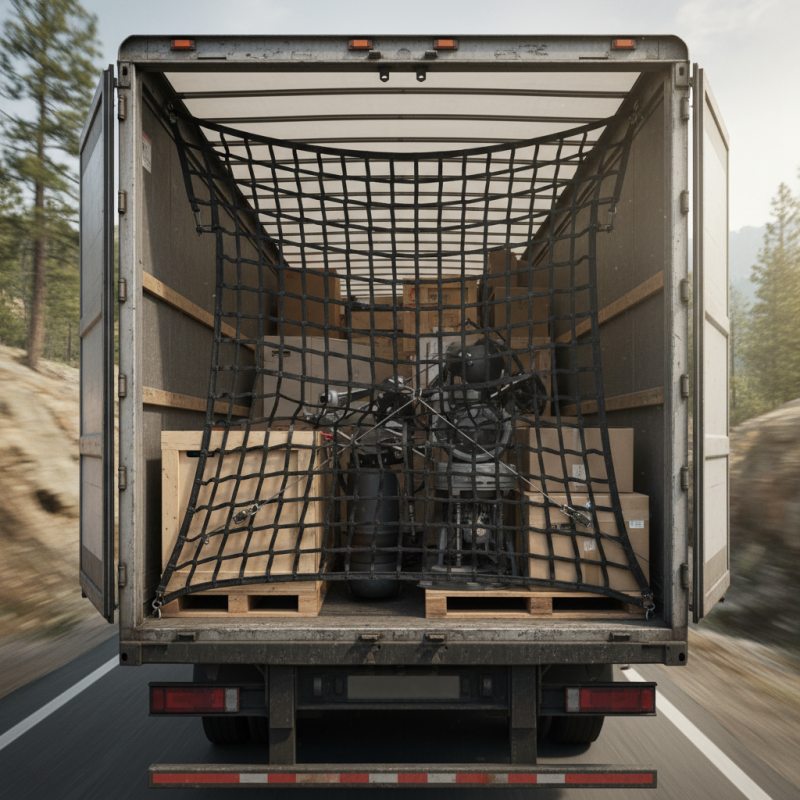
When securing cargo for transport, proper installation of safety cargo nets is crucial. Start by selecting the right net size for your load. The net should extend beyond the edges of your cargo. This ensures everything stays in place during transit. An improperly sized net could lead to slippage and accidents.
Next, position the cargo net over your items. Make sure it is centered and taut. Use hooks or straps to attach the net to your transport vehicle. Check each attachment point. Look for weak spots or loose connections. This step often gets overlooked but is essential for safety.
After the initial setup, perform a quick check. Shake the load gently to see if anything shifts. Adjust the net if necessary. It's easy to feel confident and skip this step, but don’t. A small oversight can lead to bigger problems. The goal is to travel with peace of mind, knowing your cargo is secure.
Maintenance Tips for Longevity of Safety Cargo Nets
Proper maintenance of safety cargo nets is key to their effectiveness. Regularly inspect the nets for signs of wear, including frays or broken fibers. When you notice any damage, address it immediately. A small tear can lead to larger issues during transport. Clean the nets after each use to remove debris and prevent degradation. Rinsing with water and mild soap can help maintain material integrity.
Storing cargo nets correctly is also crucial. Fold them neatly to avoid tangles and kinks. Avoid placing heavy items on top, as this can cause stress and damage. It’s a good idea to store them in a dry place, away from direct sunlight. Ultraviolet rays can degrade the material over time. Consider using a storage bag to keep them protected.
Even with careful handling, mistakes can happen. People might forget to check for damages before use. Overloading the nets can also occur, leading to breakdowns. Reflecting on these practices can improve safety and ensure cargo nets remain reliable. Regular training can also help everyone stay vigilant about their upkeep.