2026 Top Pp Dunnage Bag Options for Global Buyers?
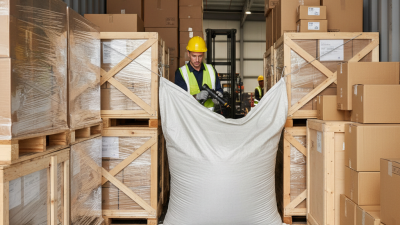
In the ever-evolving landscape of logistics and transportation, the Pp Dunnage Bag has emerged as a vital tool for securing goods during transit. As global trade expands, the demand for effective packaging solutions increases. According to a report by Research and Markets, the global dunnage bag market is projected to grow at a CAGR of 6.2% from 2021 to 2026. This growth underlines the significance of Pp Dunnage Bags in minimizing damage and optimizing supply chain efficiency.
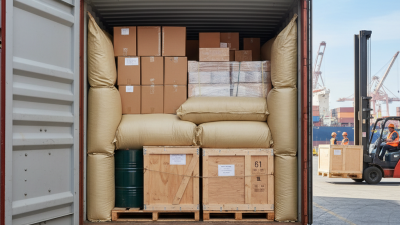
Pp Dunnage Bags are crucial for preventing cargo shifting, especially in intermodal and long-haul transportation. They provide robust support and protection for various industries, including automotive, aerospace, and consumer goods. A detailed market analysis reveals that North America and Europe lead in adoption, driven by stringent shipping regulations and a focus on reducing waste. However, there is room for improvement in educating buyers on the proper application and technology behind these bags.
Despite their benefits, challenges persist in the industry. Some users may face difficulties in selecting the right type of Pp Dunnage Bag for specific needs. Additionally, understanding the nuances of inflation methods and materials remains complex. This article aims to guide global buyers through the top options available in 2026, highlighting quality and innovation in Pp Dunnage Bags while acknowledging the ongoing learning and adaptation required in this sector.
Overview of Dunnage Bags and Their Importance in Shipping
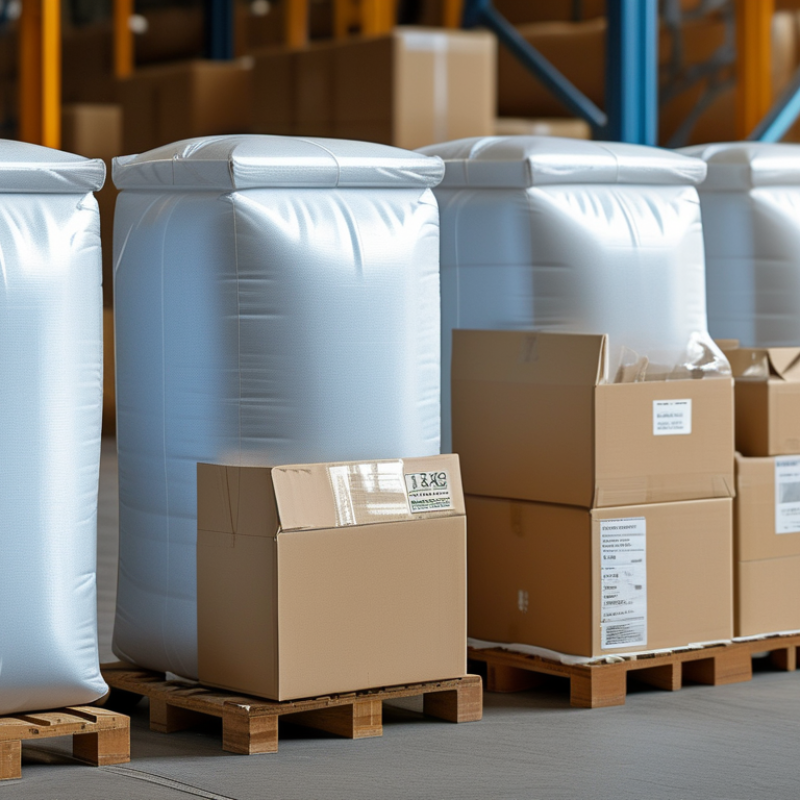
Dunnage bags play a crucial role in the shipping industry. These inflatable bags are designed to secure cargo during transport, preventing movement and reducing damage. According to a 2022 market analysis, the demand for dunnage bags is expected to grow by 5% annually due to the increasing need for safe transport methods. Improperly secured cargo can lead to significant losses, making dunnage bags essential.
When using dunnage bags, consider the size and weight of your cargo. Selecting the right dimensions is vital for effectiveness. The wrong size can result in inadequate protection, increasing the risk of damage. Also, ensure the bags are made from durable materials to withstand pressures during shipping. Quality matters in dunnage bags. Cheap alternatives may fail under stress, prompting costly shipments delays.
For optimal use, always inspect your dunnage bags before shipping. Even minor defects can compromise their strength. Train your team on proper inflation techniques. Under-inflated bags might not secure cargo effectively. Regularly updating your packing practices is beneficial, as it may highlight areas for improvement. Continuous reflection can help enhance shipping strategies.
2026 Top Dunnage Bag Options for Global Buyers
Key Features to Consider When Selecting Dunnage Bags
When selecting dunnage bags, several key features warrant attention. First, the material quality is crucial. Look for bags made of durable, puncture-resistant materials. Stronger bags can better safeguard your cargo during transit. The right thickness can also affect the bag's performance. A thicker bag often provides more cushioning.
Another important factor is the size of the dunnage bag. Ensure that the dimensions fit your cargo securely. A well-fitted bag minimizes movement and potential damage. Measure your load and choose accordingly. It’s common to overlook sizing, leading to inadequate protection. Experimenting with different sizes can yield valuable insights.
Consider the bag's inflation method. Some bags require a pump, while others can self-inflate. A simpler option may save time and hassle. Look for bags that offer easy handling during the process. This choice can streamline operations and reduce potential errors.
Testing bags before bulk purchase can reveal their true effectiveness. This process ensures they meet specific needs. In practice, it's easy to pick a bag and move on. But thorough testing can prevent future issues. A little extra effort now can ensure peace of mind later.
Top Dunnage Bag Manufacturers for Global Buyers in 2026
In 2026, the demand for reliable dunnage bags is expected to rise. Global buyers prioritize manufacturers that excel in quality and innovation. The right dunnage bag protects cargo during transit, reducing damage rates. Buyers should focus on manufacturers that use high-quality materials and have a proven track record.
Several manufacturers stand out in the industry. Their expertise in creating durable and effective dunnage solutions is evident. They utilize advanced technology for production, ensuring consistent quality. Additionally, understanding customer needs plays a crucial role in their success. However, some manufacturers may still overlook eco-friendly practices, which buyers increasingly seek. This gap presents an opportunity for companies to improve.
Buyers should consider the manufacturer's reputation, customer service, and sustainability initiatives. The journey of selecting the right dunnage bag should include thorough research. Personal experiences shared by other buyers can also provide valuable insights. As the industry evolves, remaining adaptable and open to feedback is necessary. The emphasis on quality and responsiveness to customer needs will shape the future of dunnage bags.
Comparative Analysis of Materials Used in Dunnage Bags
Dunnage bags play a crucial role in securing cargo during transit. They help prevent shifting, which can cause damage. The materials used in these bags vary significantly, impacting performance and cost. Common options include polyethylene, paper, and woven polypropylene. Each material offers different strengths, weaknesses, and price points.
Polyethylene is known for its moisture resistance and durability. It's lightweight but can be prone to punctures. Paper dunnage bags, while eco-friendly, may not provide the same level of protection. Woven polypropylene stands out for its robustness. This material can handle heavier loads and extreme conditions. However, it may not be as economical as paper alternatives.
When selecting a dunnage bag, consider the specific needs of your shipment. Analyze the weight and fragility of your cargo. Evaluate the environmental conditions during transport. These factors will help you choose the right material. Avoid compromising on quality, as inferior materials can lead to costly damages. Additionally, staying updated on the latest innovations in dunnage technology can enhance your shipping practices.
Future Trends in Dunnage Bag Technology and Sustainability
The future of dunnage bag technology is evolving rapidly, driven by the need for sustainability. Innovations are emerging that combine performance with eco-friendly materials. More manufacturers are exploring biodegradable options to reduce environmental impact. These materials provide strength and durability similar to traditional plastics while being more aligned with global sustainability goals.
Consumer awareness around environmental responsibility influences purchasing decisions. It pushes suppliers to adopt greener alternatives. While the switch to sustainable materials is promising, challenges remain. Cost and availability of biodegradable resources can limit options. Additionally, performance under extreme conditions can still raise concerns. Balancing cost-effectiveness with sustainability is an ongoing struggle that requires thoughtful solutions.
As the industry moves forward, collaboration becomes essential. Stakeholders must work together to drive advancements in materials science and design. This partnership can lead to breakthroughs that enhance efficiency and reduce waste. However, strong regulatory frameworks also play a critical role in ensuring that sustainable practices are adopted industry-wide. Continuous research and development remain vital in making dunnage bag technology reliable and environmentally friendly.