What is Anti Slip Pallet Sheet Benefits and Applications?
The Anti Slip Pallet Sheet is an essential tool in today’s logistics and warehousing. Its primary purpose is to prevent cargo from sliding during transportation. Slip-related accidents can lead to costly damages and unsafe working conditions. Therefore, understanding its benefits is crucial for businesses that prioritize safety and efficiency.
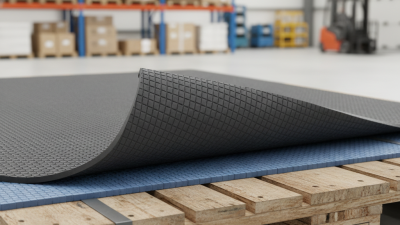
These sheets are designed with grip-enhancing materials. This feature provides a reliable surface for various types of goods. Whether it’s a small business or a large warehouse, the Anti Slip Pallet Sheet aids in maintaining the integrity of loads. By reducing movement, it minimizes breakage and product loss.
Reflecting on its applications, these sheets can be utilized across several industries. Their versatility makes them ideal for transporting fragile items. However, companies must select the right sheet for their specific needs. Ensuring that the chosen product meets safety standards is vital for optimal results.
Definition and Purpose of Anti Slip Pallet Sheets
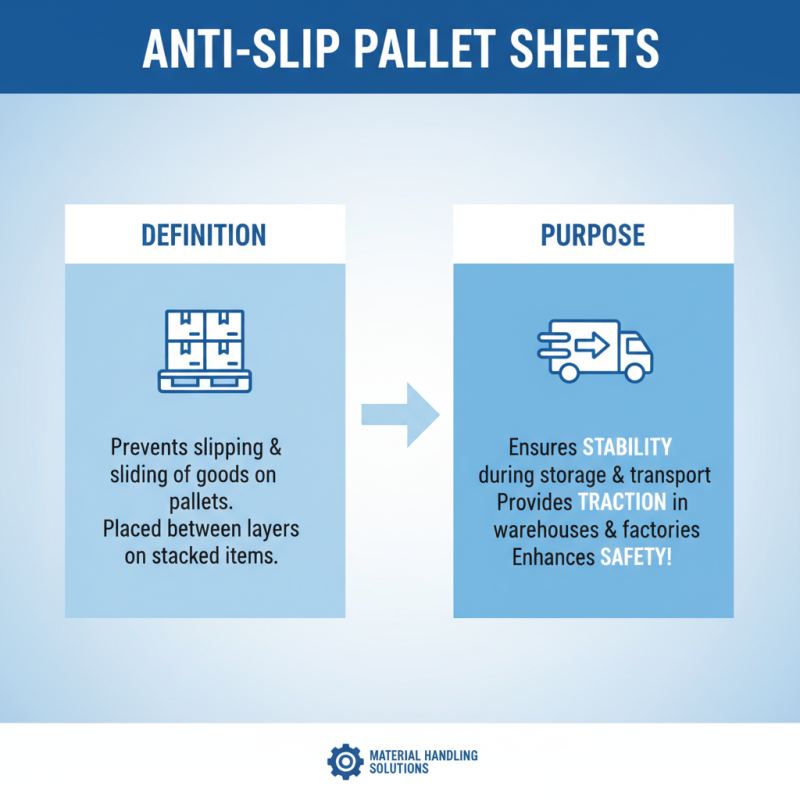
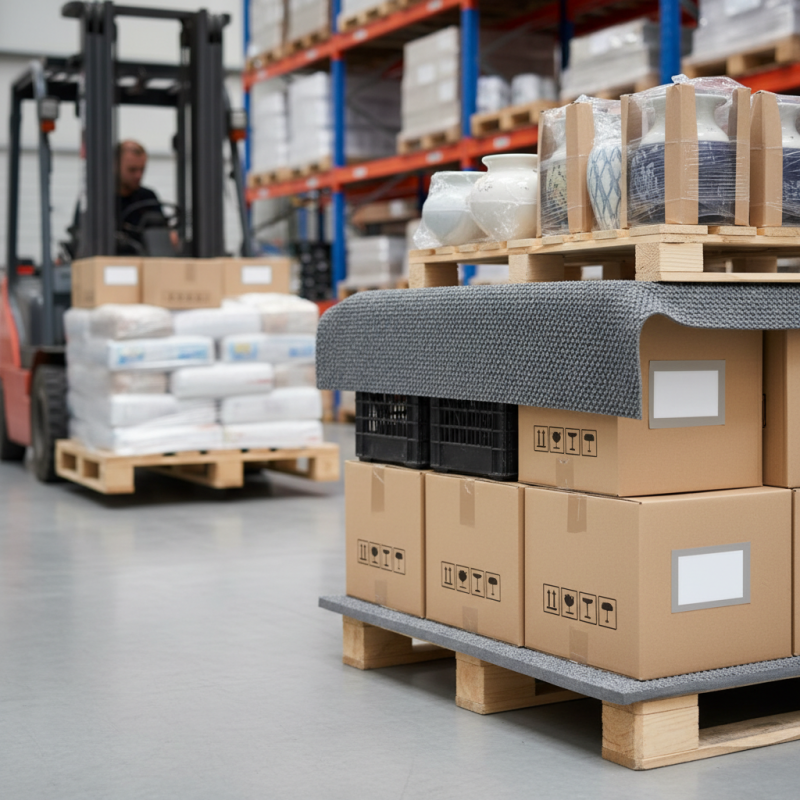
Anti-slip pallet sheets are essential for safe material handling. These sheets are designed to prevent slip and slide during storage and transport. Their primary purpose is to provide traction, ensuring that stacked items remain stable. This is particularly important in environments where movement occurs frequently, such as warehouses and factories.
The benefits of these sheets extend beyond safety. They help reduce the risk of damage to goods. When pallets shift, products can break or become unusable. Anti-slip sheets maintain proper positioning, thus preserving the integrity of the load. They are easy to apply and can fit various pallet sizes.
Despite their effectiveness, some users may experience challenges. Improper placement can compromise their benefits. Regular checks are necessary to ensure sheets are in good condition. Understanding the specific application helps maximize their use. This requires careful assessment of load types and transport conditions. Balancing these considerations ensures optimal performance and reliability in operational settings.
Key Benefits of Using Anti Slip Pallet Sheets
Anti-slip pallet sheets offer numerous benefits across various industries. They enhance safety by providing a stable surface for stacked items. This is particularly important in warehouses and during transportation. According to industry reports, slip-related accidents lead to over 40% of workplace injuries. By using anti-slip sheets, businesses can significantly reduce these incidents.
These sheets also improve load stability. Companies often report a 30% decrease in load shifting during shipping. This can save costs related to product loss and damage. Enhanced load stability leads to fewer disruptions in supply chains. Moreover, anti-slip pallet sheets are lightweight and easy to handle, adding to their appeal.
Tip: When selecting anti-slip sheets, consider the material and texture. Different applications may require varying levels of grip. It's essential to choose wisely to ensure effectiveness.
Additionally, anti-slip pallet sheets contribute to better inventory management. They help streamline the loading and unloading process, saving time and labor costs. However, not all sheets are created equal. It's important to evaluate performance regularly. This ensures continued safety and efficiency in operations.
Tip: Regular maintenance checks can help identify wear and tear. This proactive approach can prevent accidents and prolong the life of your anti-slip sheets.
Common Applications in Various Industries
Anti-slip pallet sheets have become crucial in various industries due to their unique benefits. These sheets enhance grip and stability when stacking and transporting goods. In warehouses and logistics, they reduce the risk of cargo slipping, which can lead to accidents. The friction these sheets provide is vital for maintaining safety during operations.
In food processing and pharmaceuticals, anti-slip pallet sheets offer additional advantages. They help comply with hygiene standards, as they are often designed to be easy to clean. Using these sheets can prevent contamination of products, which is essential in sensitive environments. However, some operators may overlook their importance, leading to potential safety hazards.
In retail and distribution centers, these sheets optimize space utilization. They allow for more efficient stacking, which can lead to better inventory management. This improvement can reduce storage costs. Yet, not everyone may understand the full impact of using anti-slip sheets, leading to underutilization of their benefits. Implementing these solutions could significantly enhance operational efficiency.
Benefits and Applications of Anti Slip Pallet Sheets
The chart above illustrates the application rate of anti-slip pallet sheets across various industries. These sheets are widely used for their effectiveness in preventing slippage during the handling and transportation of goods. The food industry leads the way with an 85% application rate, highlighting the importance of safety in food handling.
Materials Used in Anti Slip Pallet Sheets
Anti-slip pallet sheets are essential in various industries, providing stability and safety for palletized products. Various materials are utilized in their production. One of the most common materials is polyethylene. This plastic is durable and resistant to moisture, making it ideal for warehouse conditions. Polyethylene sheets can enhance grip, reducing slippage during transport.
Another important material is rubber. Rubber anti-slip sheets offer excellent traction. They can be applied on top of pallets or used as an underlay. The inherent characteristics of rubber help secure loads. However, rubber sheets may wear out more quickly, especially if exposed to heavy traffic or sharp edges. This wear may require regular monitoring and replacement.
Some manufacturers also use composite materials. These sheets combine various elements to increase strength and resistance. While composite sheets can be cost-effective, their effectiveness in friction may vary significantly. The choice of material often depends on specific operational needs and environmental conditions. Constant evaluation of the material’s performance is necessary for optimal safety in handling goods.