Top 10 Benefits of Using Hdpe Geomembrane for Projects?
Hdpe Geomembrane has become a staple in various engineering projects due to its numerous advantages. According to the Geosynthetic Research Institute, HDPE materials can boast a lifespan of over 50 years when properly installed. This durability makes it an attractive option for projects like landfills and water containment. Reports indicate that the global geomembrane market is expected to grow significantly, reaching $2.4 billion by 2025.
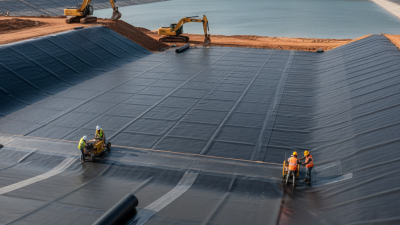
The use of HDPE geomembrane provides excellent impermeability, crucial for preventing leaks. This is vital in applications such as waste management and groundwater protection. Moreover, HDPE's resistance to chemicals enhances its utility in harsh environments. It is also lightweight and easy to handle, reducing installation costs and time. However, while HDPE geomembrane offers strong advantages, installation techniques must be carefully reviewed. Incorrect installation can lead to failures and increased costs later.
Despite its benefits, HDPE geomembrane requires ongoing assessment. Industry standards emphasize the need for regular inspections. While it can provide reliable solutions, one must consider the specific requirements of each project. Being aware of these factors will lead to more successful outcomes in project execution.
Overview of HDPE Geomembrane and Its Composition
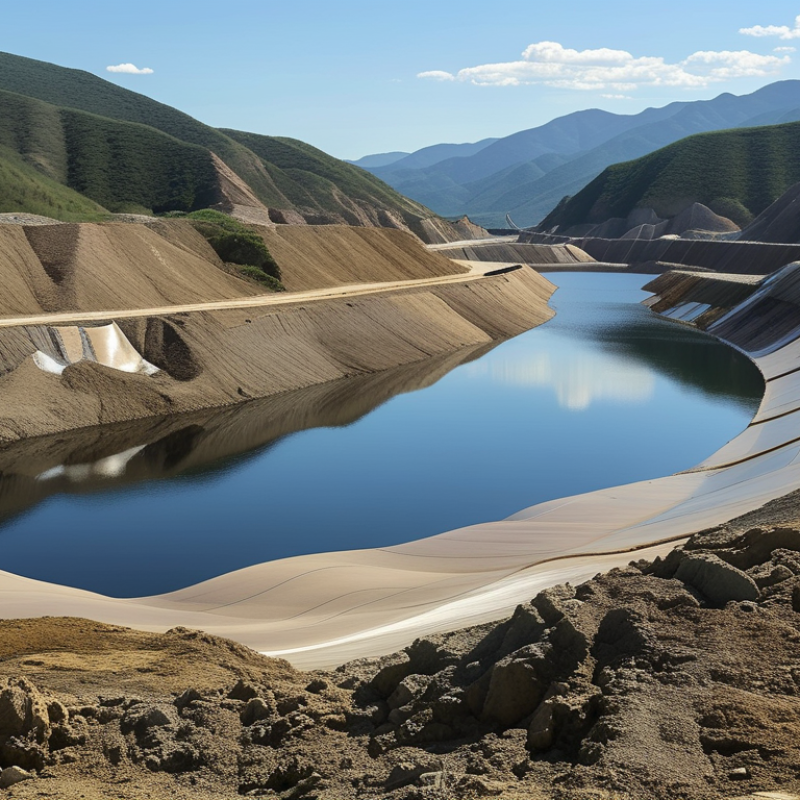
HDPE geomembrane, or High-Density Polyethylene geomembrane, is a critical material in various construction projects. It is composed mainly of polyethylene resins that provide excellent barriers against liquids and gases. This polymer is highly resistant to a wide range of chemicals, making it suitable for applications like landfills, ponds, and waste containment systems.
The production process of HDPE geomembrane involves blending additives with polyethylene to enhance its properties. These additives improve flexibility and UV resistance. This composition not only ensures longevity but also increases its reliability in harsh environments. Yet, the production methods can vary, and not all HDPE geomembranes have the same quality. It's important to source these materials from reputable manufacturers to avoid potential issues.
HDPE geomembranes are quite versatile, adapting to various project requirements. Their installation can be challenging, particularly in uneven terrain or complex designs. Additionally, improper handling can lead to damage or reduced effectiveness. Thus, proper training and careful planning are essential to maximize the benefits of HDPE geomembranes in your projects.
Top 10 Benefits of Using HDPE Geomembrane for Projects
| Benefit |
Description |
Application Area |
| Waterproofing |
Provides an effective barrier against water leakage. |
Landfills, ponds, and other water containment structures |
| Chemical Resistance |
Resists degradation from chemical exposure. |
Containment of hazardous materials |
| Durability |
High tensile strength and long service life. |
Construction and civil engineering projects |
| Cost-Effective |
Reduces maintenance and replacement costs. |
Large-scale projects |
| Environmental Protection |
Prevents contamination of soil and groundwater. |
Landfill and waste management sites |
| Easy Installation |
Quick and straightforward application process. |
Various construction sites |
| Versatility |
Applicable in multiple settings and conditions. |
Agricultural, industrial, and environmental projects |
| UV Resistance |
Withstands degradation from UV exposure. |
Open-air installations |
| Sustainability |
Recyclable material contributes to circular economy. |
Waste management and recycling facilities |
Durability and Longevity of HDPE Geomembrane in Construction Projects
HDPE geomembrane is recognized for its exceptional durability and longevity, making it a popular choice in construction projects. This material withstands extreme weather conditions, including intense heat and heavy rainfall. Its ability to resist UV radiation ensures it remains intact over years of exposure. Projects that utilize HDPE geomembrane often experience decreased maintenance needs, leading to cost savings in the long term.
Moreover, HDPE geomembrane displays strong resistance to chemicals and corrosive materials. This characteristic is crucial for projects involving waste containment and environmental protection. By preventing leaks and contamination, this material contributes to safer construction practices. However, it's important to ensure proper installation. Even high-quality geomembranes can fail if not applied correctly.
While HDPE geomembrane is reliable, it is not entirely invulnerable. Factors like puncturing during installation or extreme ground movement can impact its effectiveness. Regular inspections are advised to catch any potential issues early. Ensuring continuous education about the installation process and conditions can improve performance. Balancing durability with proper handling is key to maximizing the benefits of HDPE geomembrane.
Cost-Effectiveness: Economic Benefits of Using HDPE Geomembrane
HDPE geomembranes offer significant cost-effectiveness for various projects, especially in the construction and environmental sectors. According to a report by the Geosynthetic Research Institute, the use of HDPE can reduce overall project costs by up to 30%. This is largely due to its durability and longevity, which minimize maintenance and replacement expenses. With a typical lifespan exceeding 50 years, investing in these materials proves beneficial for long-term projects.
Cost savings also stem from the material’s efficiency in preventing leaks. The Water Environment Federation estimates that leaks in conventional liners can lead to costly repercussions, including environmental cleanup and regulatory fines. By utilizing HDPE geomembranes, projects can avoid these expenses, enhancing their economic viability. Additionally, the installation process is simpler and faster, which can lead to lower labor costs and shorter project timelines.
However, it is crucial to consider the initial investment in HDPE geomembranes, which could be higher than alternatives. Some projects may underestimate this upfront cost. Nevertheless, when analyzing the total lifecycle costs, HDPE often emerges as the more reliable choice. Thorough assessment of specific project requirements is necessary to ensure that the economic benefits are fully realized. Each project poses unique challenges that might affect the cost analysis, making expert consultation valuable for decision-making.
Environmental Protection Advantages of HDPE Geomembrane Systems
HDPE geomembranes play a crucial role in environmental protection. Their unique properties make them ideal for various projects involving containment. These durable materials are resistant to chemicals, UV rays, and temperature fluctuations. This increases their effectiveness in preventing soil and water contamination.
Many waste management facilities use HDPE geomembranes. They help contain hazardous materials, thereby protecting groundwater. These geomembranes are highly reliable when installed correctly. However, installation requires expertise and attention to detail. Over time, improper installation can lead to leaks, which compromise their protective qualities.
Tip: Before initiating a project, consult with experts on geomembrane applications.
HDPE geomembranes also support the sustainability of ecosystems. By creating barriers, they help prevent unwanted substances from entering environmental systems. The longevity of these materials means less frequent replacement, reducing waste. Yet, the manufacturing process does impact the environment. It's essential to weigh these factors carefully.
Tip: Assess the full lifecycle of geomembranes for your specific project needs.
Applications of HDPE Geomembrane in Various Engineering Projects
HDPE geomembrane plays a vital role in various engineering projects due to its unique properties. One prominent application is in landfill liners. These liners contain waste, preventing leachate from contaminating groundwater. The durability of HDPE geomembrane ensures long-lasting protection in hazardous environments. It withstands harsh chemicals often found in waste.
Another key area is water retention structures.
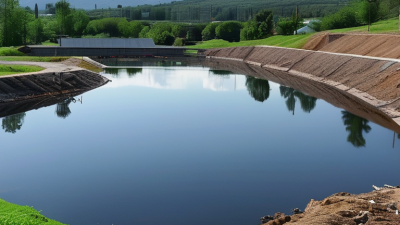
HDPE geomembranes efficiently line ponds and reservoirs, reducing water loss through seepage. Their impermeability maintains water quality, making them essential for agricultural projects. However, installation can be challenging and requires skilled labor. Improper installation may lead to costly repairs later.
Additionally, HDPE geomembrane assists in mining projects. It is used in tailings storage facilities to manage waste byproducts. While effective, the risk of punctures during operation remains a concern. Regular inspections are vital to ensure integrity. Employing HDPE geomembrane enhances environmental protection, but attention to installation processes is crucial for success.