Top 10 Benefits of Using HDPE Geomembrane in Construction?
In today's construction landscape, the use of advanced materials like HDPE geomembrane has gained significant attention. According to Dr. Michael Thompson, a leading expert in geosynthetic technologies, "HDPE geomembrane is a game changer for environmental protection in construction." This innovative material plays a crucial role in various applications, including landfill liners and pond linings. Its versatility and durability make it an ideal choice for modern projects.
Construction professionals increasingly recognize the benefits of HDPE geomembrane. It offers excellent resistance to chemicals and can withstand environmental stresses. Many projects have reported cost savings due to reduced maintenance. However, not all contractors fully understand its potential. Some may overlook important installation guidelines, which can lead to complications later.
As we explore the top ten benefits of HDPE geomembrane, it’s essential to emphasize that informed decisions lead to better outcomes. The industry can sometimes be wary of new materials. It is crucial to ensure that businesses evaluate the long-term advantages. Through thoughtful consideration and expert insight, the construction sector can harness the full potential of HDPE geomembrane.
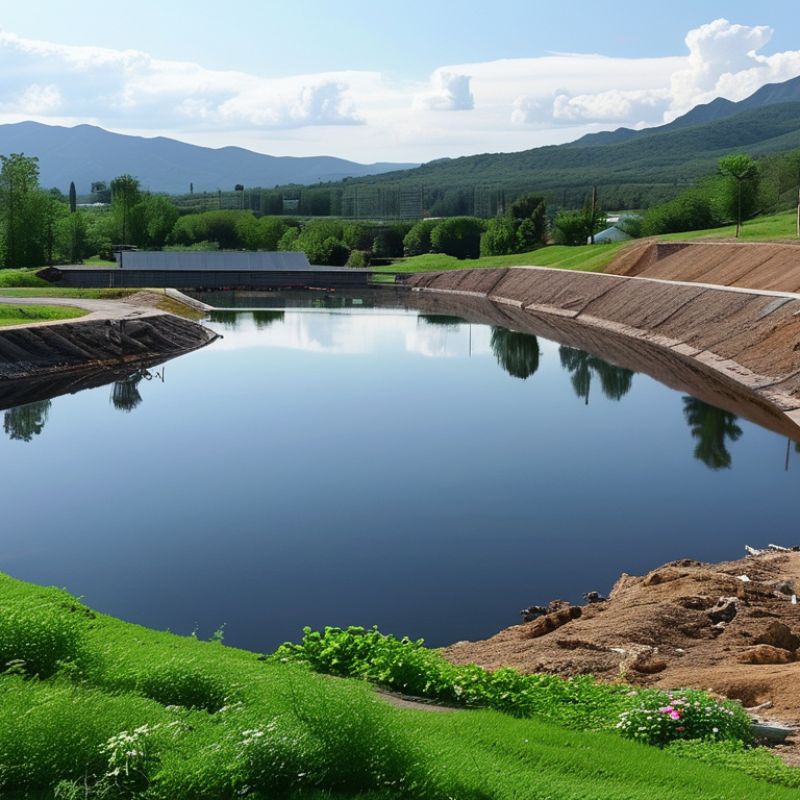
Understanding HDPE Geomembrane: Composition and Properties
HDPE geomembrane, made from high-density polyethylene, is a significant material in construction. Its composition includes a blend of polymer resins and additives that enhance its durability and resistance to environmental stressors. This versatility makes HDPE suitable for various applications, including landfill liners, water containment, and environmental protection.
Research indicates that HDPE geomembrane has a tensile strength of around 3,000 psi. It also exhibits low permeability, allowing it to effectively contain liquids while preventing leakage. These properties make it essential for projects requiring environmental safeguarding. The material's lifespan can exceed 30 years, reducing the need for frequent replacements.
Tip: Always verify the thickness and UV stability of HDPE geomembrane before installation. These factors can significantly affect long-term performance.
Another critical aspect is its ease of installation. With a lightweight design, labor costs can be minimized. However, improper handling during installation can lead to punctures or folds, compromising effectiveness.
Tip: Conduct regular inspections post-installation to identify potential issues early. This proactive approach can enhance the performance and lifespan of HDPE geomembrane systems in construction.
Cost-Effectiveness: How HDPE Geomembrane Saves Money in Projects
HDPE geomembranes have become a popular choice in construction due to their
cost-effectiveness. Recent studies show that HDPE can reduce project costs by up to
30%. This is primarily attributed to its durability and
low maintenance requirements. Projects utilizing HDPE geomembranes often experience fewer failures and repairs compared to traditional materials.
In waste containment and water management, the financial benefits are evident. HDPE geomembranes provide excellent impermeability, which minimizes
leakage and contamination. According to the Geosynthetic Research Institute, using this material can save projects nearly
$500,000 in potential environmental cleanup costs. The long lifespan of HDPE, often
exceeding 40 years, means that initial investments yield
significant savings over time.
Construction teams appreciate the ease of installation too. The lightweight nature of HDPE reduces labor costs and transportation expenses. Sites
can operate more efficiently, leading to reduced overall project timelines. Yet, relying solely on HDPE without considering site-specific conditions
can lead to issues. A comprehensive evaluation of local soil and drainage is crucial. Thus, understanding the balance between HDPE advantages and local factors is key to maximizing
cost savings.
Environmental Protection: Benefits of HDPE in Containing Waste and Pollution
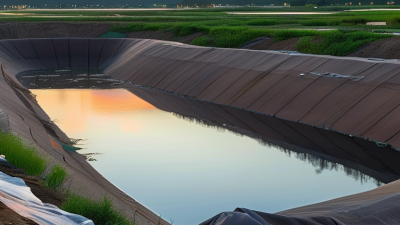
High-Density Polyethylene (HDPE) geomembranes play a crucial role in environmental protection during construction. Their ability to contain waste and prevent pollution is invaluable. HDPE geomembranes are highly resistant to chemicals, which makes them suitable for lining landfills and hazardous waste sites. Their durability ensures that harmful substances do not leach into the soil or groundwater, protecting the ecosystem.
When using HDPE geomembranes, consider the installation process. Proper installation prevents leaks and ensures maximum effectiveness. Always consult with experts in the field to choose the right thickness and specification based on your project. This can lead to better longevity and performance of the lining.
Another important aspect is the maintenance of HDPE geomembranes. Regular inspections can help identify potential issues early. Small tears or punctures can lead to major problems if ignored. Additionally, training workers on proper handling can prevent damage during installation, ensuring long-term reliability. Investing time in these areas can significantly enhance environmental safety.
Top 10 Benefits of Using HDPE Geomembrane in Construction
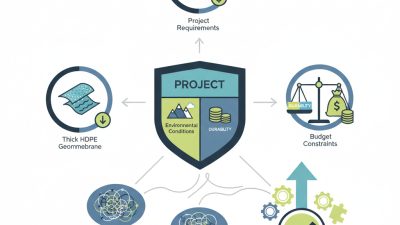
This chart illustrates the top 10 benefits of using HDPE geomembrane in construction, highlighting its effectiveness in environmental protection, durability, and cost-effectiveness among other advantages.
Durability and Longevity: The Resilient Nature of HDPE Geomembrane
The durability of HDPE geomembrane is one of its most significant advantages in construction. This material can withstand harsh environmental conditions. It resists punctures, tears, and UV radiation effectively. Projects in landfill management or water containment benefit greatly from this resilience. HDPE geomembranes remain stable, even under extreme temperatures. Their exceptional lifespan often reduces the need for frequent replacements.
Longevity is crucial for cost management in construction projects. By choosing HDPE geomembranes, engineers invest in solutions that endure. The significance of longevity often gets overlooked during initial planning. This oversight can lead to costly repairs or replacements down the line. Furthermore, environmental factors can compromise less durable materials. The choice of using HDPE saves resources and enhances project sustainability.
While HDPE geomembranes are robust, their performance relies on proper installation. Incorrect installation can lead to vulnerabilities. A well-informed team is imperative for maximizing the benefits. Regular inspections can ensure integrity over time. In conclusion, focusing on these aspects ensures you make informed decisions in construction.
Installation and Maintenance: Simplifying Construction Processes with HDPE
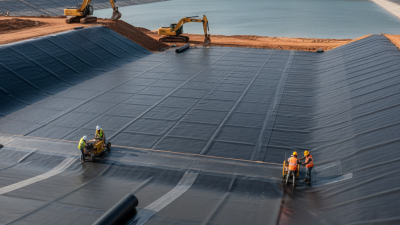
HDPE geomembranes are key in simplifying construction processes. Their flexible nature allows for quicker installation. In a study by the Geosynthetic Research Institute, 80% of contractors reported reduced installation times when using HDPE compared to traditional methods. This speed is vital. Faster installation leads to cost savings and improved project timelines.
Maintenance is crucial for long-term performance. HDPE geomembranes are resistant to chemicals and UV rays. According to industry reports, proper maintenance can extend the lifespan of geomembranes to over 30 years. However, some installation practices can compromise durability. Proper training for workers is essential. Misalignment during installation can lead to leakage. Ensuring skilled labor helps maintain the integrity of the project.
The adaptability of HDPE geomembranes allows for use in various environments. From landfills to water reservoirs, they perform well under pressure. Yet, there are challenges. Soil movement and extreme weather can affect stability. Regular assessments and updates to maintenance practices are necessary. This proactive approach enhances reliability and longevity.